News Wire · Black America
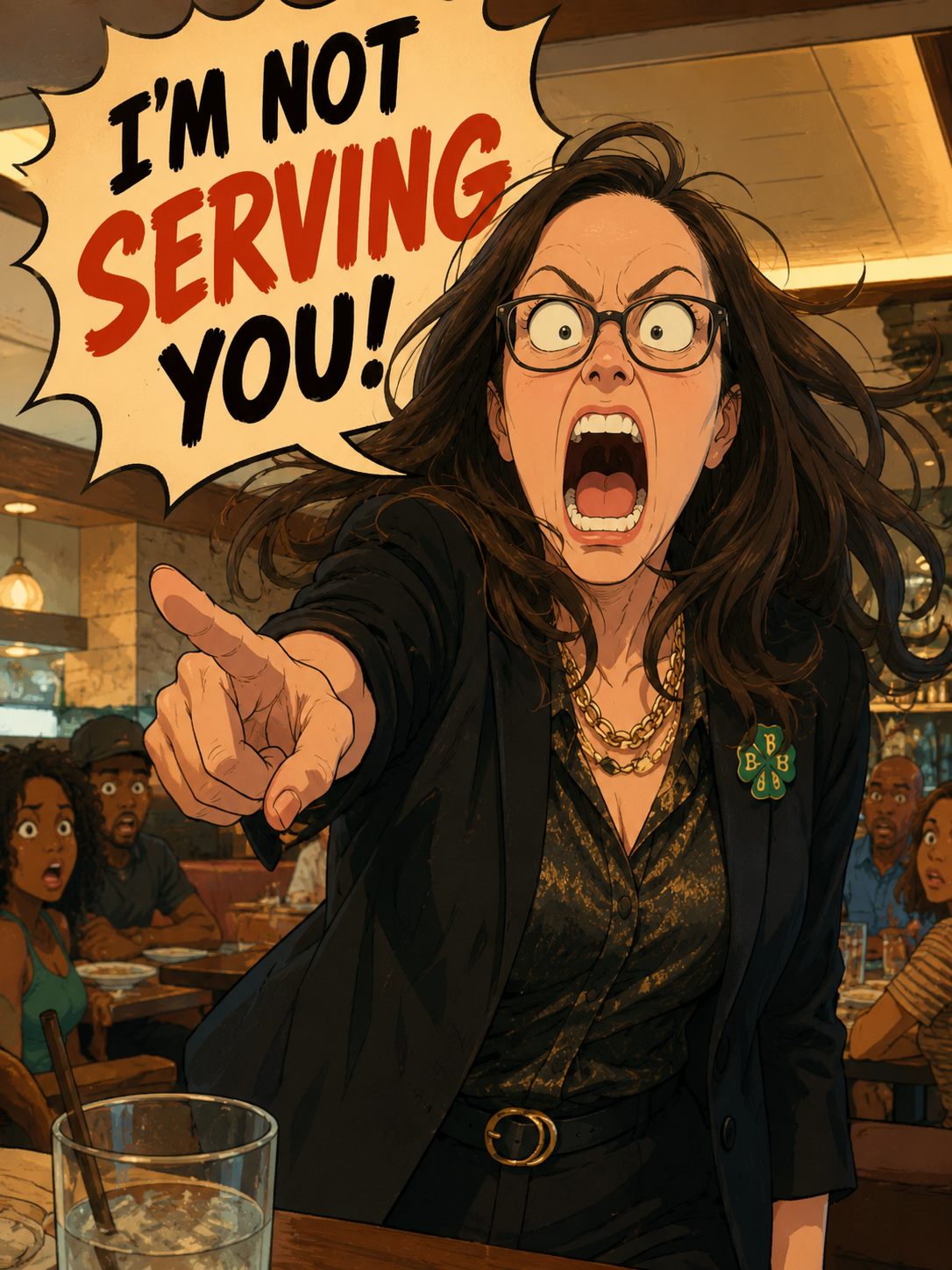
Andrea Chantel says a night out at Maroma in Dallas ended in humiliation after a manager accused her all-Black group of smelling like marijuana and stopped serving them alcohol. The restaurant denies race influenced its decision.

A night out at an upscale Dallas restaurant erupted into a public dispute over race, marijuana and the power restaurant managers hold to decide who gets served.
Andrea Chantel says she and three Black friends visited Maroma, a restaurant located at 1333 Oak Lawn Avenue in Dallas’ Design District, on Saturday, August 8, 2026.
What began as an evening of drinks ended with Maroma’s general manager telling the group that the restaurant would no longer serve them alcohol because staff reportedly smelled marijuana.
Chantel denied that she or her friends had smoked marijuana. She recorded part of the confrontation and posted it online, accusing the restaurant of racially profiling and humiliating the group.
The videos spread quickly across TikTok and other social platforms, generating millions of views and demands for a boycott.
Maroma denies that race played any role in the decision.
A bathroom visit followed by an accusation
According to Chantel’s account, the group was allowed to sit down but was told they could not remain for long.
While her friends took their seats, Chantel went to use the restroom. Maroma reportedly has two single-stall bathrooms, one designated for women and one for men.
Chantel said the women’s restroom was occupied, so she used the available men’s room instead. She then returned to the table and joined her friends.
Approximately 15 minutes later, a manager who identified herself as Danielle approached the group.
The manager said she smelled marijuana and believed the odor was connected to the restroom area Chantel had just left.
Chantel immediately denied using marijuana. She turned her camera toward her friends and asked whether any of them smoked. Each denied it.
“I can’t serve because I can smell marijuana,” the manager said during the recorded exchange.
The group challenged how the manager could connect the odor to them without claiming to have witnessed anyone smoking or possessing marijuana.
Chantel accused the manager of making an assumption about four Black customers. The manager maintained that she was making a judgment call connected to the restaurant’s alcohol-service responsibilities.
The conversation became increasingly tense. Chantel continued questioning the accusation while the manager told her to calm down and repeated that the group would not receive additional service.
Chantel’s friends eventually agreed to leave.
Maroma says other customers complained
After the videos gained traction, Maroma released a public statement defending its manager and disputing the allegation of racial discrimination.
The restaurant said staff noticed a strong marijuana odor and became concerned that someone had used the substance in a restroom. Management also claimed nearby customers complained about the smell and requested to be moved.
Maroma said it stopped alcohol service because management believed continuing to serve the group would be inappropriate under the circumstances.
“This decision was based solely on the circumstances and behavior observed that evening,” the restaurant said.
The company insisted the decision had nothing to do with the customers’ race, background or identity.
Maroma also argued that a short video could not capture the full context of the confrontation. It said the restaurant applies the same standards to every customer and has a duty to protect its employees and guests.
The restaurant’s response did not publicly identify which employee first detected the odor, which restroom was allegedly involved or whether anyone directly witnessed marijuana use.
It also did not release surveillance footage or statements from the customers who allegedly asked to be moved.
What Texas alcohol law actually requires
Texas law prohibits restaurants and bars from knowingly serving alcohol to an intoxicated person.
The Texas Alcoholic Beverage Commission lists serving alcohol to an intoxicated customer among the public-safety violations that can expose a business to administrative penalties. Individual employees may also face criminal consequences under certain circumstances.
Maroma holds an active mixed-beverage permit, according to records reviewed by the Houston Chronicle.
The restaurant therefore had the authority to stop serving alcohol if its employees reasonably believed a customer was intoxicated.
However, the available video does not establish that Chantel or her friends displayed physical signs of intoxication. Maroma’s public explanation centers on the reported marijuana odor and concerns about possible use inside the restaurant.
The Houston Chronicle noted that TABC restrictions concerning hemp consumption at some licensed establishments do not appear to apply to Maroma’s particular mixed-beverage permit. The restaurant may instead have been acting cautiously because Texas businesses can face penalties for serving someone they believe is already intoxicated by alcohol or another substance.
Big Dill Hospitality, the company operating Maroma, did not clarify the specific TABC provision the manager believed required her decision when contacted by the Chronicle.
Chantel says drug tests came back negative
Chantel continued challenging the accusation after leaving the restaurant.
She said she obtained three drug tests and posted negative results online. She presented the results as evidence that the restaurant’s suspicions about her were unfounded.
A negative drug test may support Chantel’s denial concerning her own marijuana use, but it cannot independently establish whether another person had used marijuana or explain the odor reported by the restaurant.
It also does not resolve the central discrimination question: why management associated the reported odor with Chantel’s table and whether customers of another race would have been treated the same way under comparable circumstances.
Chantel said she has contacted an attorney and is considering legal action against the restaurant.
No lawsuit connected to the incident had been publicly confirmed at the time of publication.
Big Dill Hospitality faces renewed scrutiny
Maroma is operated by Big Dill Hospitality, a Dallas restaurant group that also operates Casa Brasa.
The company previously faced a separate racial-profiling allegation involving Black customers at Casa Brasa.
In that incident, Blessida Yeboah said employees stopped her group from taking photographs while allowing other women to take pictures. Yeboah challenged the apparent difference in enforcement and later published messages she exchanged with Big Dill Hospitality.
The company disputed parts of her account and said the parties were unlikely to agree about what happened.
That earlier controversy does not prove discrimination occurred at Maroma. It does, however, explain why critics are examining whether the company’s policies are enforced consistently across different groups of customers.
A decision made in minutes, a controversy now seen by millions
Restaurants have both the authority and responsibility to stop serving customers they reasonably believe are intoxicated.
Customers also have the right to question whether subjective decisions are shaped by racial assumptions, particularly when the accusation involves drugs and an all-Black group.
The video confirms that Maroma stopped serving Chantel’s group after a manager cited the smell of marijuana. It also confirms that Chantel and her friends denied smoking.
What the recording does not establish is where the odor originated, whether employees observed drug use or whether race consciously influenced the manager’s decision.
Chantel believes her group was judged before the facts were known. Maroma says its staff made a safety decision that would have applied to anyone.
Those competing accounts now extend far beyond one table in Dallas. Millions of viewers are examining who received the benefit of the doubt, who was required to prove their innocence and why a reported smell became enough to end four Black women’s night out.
Sources: Houston Chronicle, Atlanta Black Star, Texas Alcoholic Beverage Commission violations guidance, TABC public-intoxication and alcohol-service guidance
Original source/idea found at: Atlanta Black Star
Editor’s note: Key facts about the encounter remain disputed. Relentless Times has attributed claims to the diners, Maroma, public records and the cited reporting, and will update this story if new independently verifiable evidence becomes available.