




In the dim, quiet studios of London in 2002, a film called Moss & Freud tells a gentle story about two famous people meeting at a turning point in their lives. Directed by debutant James Lucas, this biographical drama captures the real-life intersection of supermodel Kate Moss, then a whirlwind of ‘90s excess at 27, and the grizzled painter Lucian Freud, a titan in his late 70s whose canvases peeled back the raw underbelly of humanity.
The setup is simple: Moss, adrift in a sea of tabloid scandals and fleeting romances, accepts Freud’s invitation to pose nude, a decision that promises escape from her chaotic lifestyle. As they work together over many months, their relationship slowly deepens. The film shows how they change and influence each other, even if it stays very reserved and subtle. Lucas, using real stories from history, keeps things calm and focused on their personalities, letting their actions speak for themselves. But some viewers might feel like the film holds back too much, making it hard to really get into their feelings.

Visually, Moss & Freud is beautiful. The cinematography uses soft, earthy colors that match the realistic feel of the paintings. Close-up shots focus on the details of skin and paint, showing Moss not as an object of desire, but as a person being truly seen. At its heart, the film explores ideas about legacy and change. For Moss, sitting for Freud is a chance to step back from her wild fame and think about what really matters. For Freud, it’s a way to confront his own aging and mortality through her youthful energy. The movie also touches on the cultural clash between celebrity and high art, and the power dynamics between mentor and muse. But instead of sensationalizing these themes, the film chooses to be subtle, trusting viewers to notice the deeper meaning behind their quiet interactions.
Ellie Bamber’s portrayal of Moss is impressive. She captures her look and poise perfectly, but it’s in the small moments—like a hesitant laugh or a fleeting shadow of doubt—that Bamber really shines. Derek Jacobi brings Freud to life with a mixture of intensity and wisdom. He reveals both Freud’s fierce focus and his own doubts about aging. Their relationship is not romantic but full of mental energy—like two minds sparking off each other, which feels very natural and earned.

Director James Lucas, in his first film, shows he prefers quiet, character-focused storytelling over big, flashy scenes. He takes his time, letting scenes breathe and develop naturally. Sometimes this makes the film feel slow, but it also makes it more realistic. However, the film doesn’t go deeply into what the portrait meant for feminism or art history. It hints at it but leaves some questions unanswered.
After watching Moss & Freud, I felt a mixture of admiration and disappointment. I hoped for a story as exciting as The Danish Girl, about obsession and transformation. Instead, this film paints a beautiful picture of their relationship but doesn’t fully explore the big impact or deeper feelings behind it. The bond between Moss and Freud is quiet but powerful, full of small moments of vulnerability. Still, it doesn’t quite reach the fiery emotional level that could have made it unforgettable.
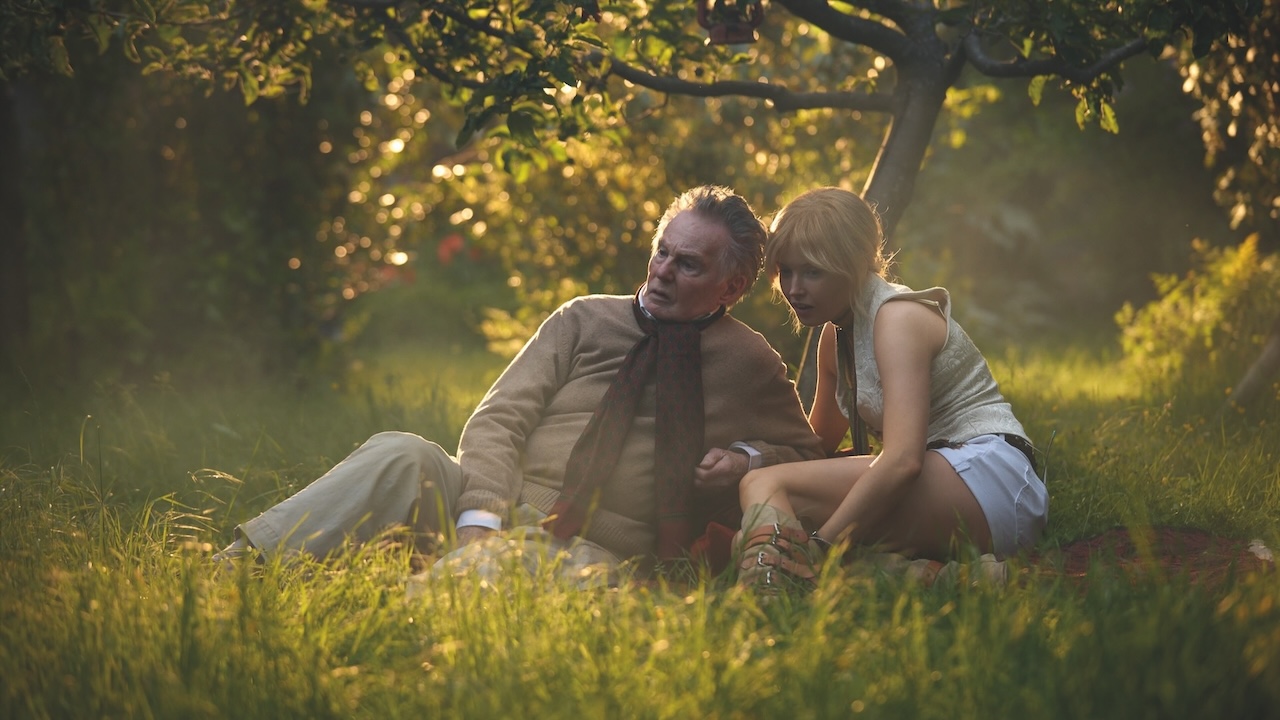
That said, the acting is fantastic. Bamber and Jacobi don’t just act—they become their characters. Their quiet chemistry is a masterclass in subtlety and makes up for the film’s slower pace. Unlike movies that tell you everything outright, Moss & Freud trusts you to read between the lines, and it mostly works. For fans of thoughtful dramas or art history, their performances alone make the movie worth watching.
In the end, Moss & Freud is a calm, elegant film rather than a fiery, emotional one. It captures a brief friendship that crossed worlds—fashion and art—and shows how they changed each other. But its gentle, restrained style is like Freud’s paintings: beautiful, interesting, but a little hard to fully connect with emotionally. I wanted it to surprise me or make me feel more deeply, but it’s more like a quiet reflection. Still, it’s worth seeing for the acting and the artful way it’s made. Like a portrait, it invites you to fill in the spaces with your own feelings—and maybe that’s enough.
Catch Moss & Freud at Luna Palace Cinemas now.
- Email: neill@outloudculture.com


