There’s a stark and dismal contrast between the generations. The music I listen to, the food I eat, and even what I decide to talk about all evokes a reflection on cultural identity, values, and the influence that is mine to share. But there’s been a historical shift on young people today. Let me cook…
Fractured Generations? Lost Guidance or Lost Identity?
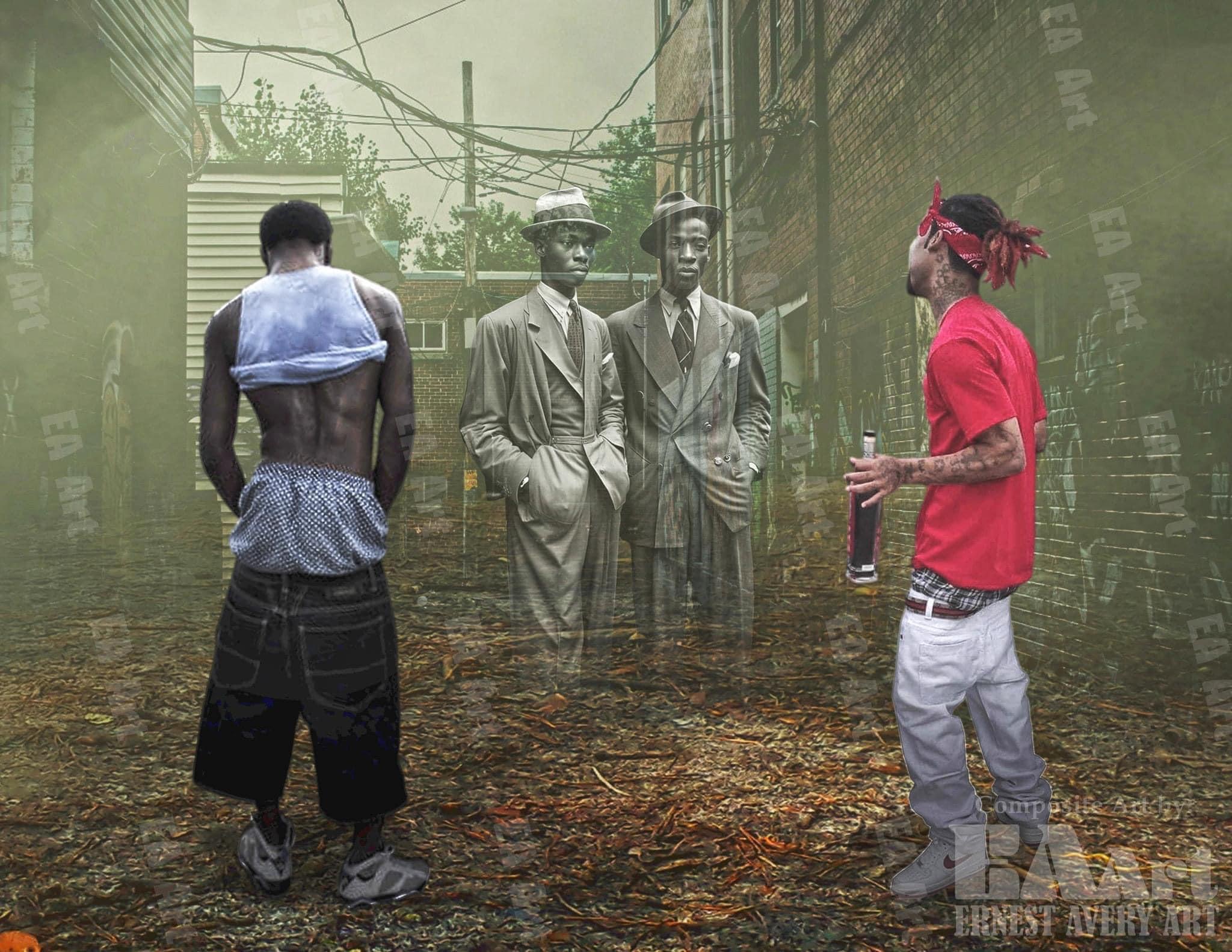
In the push and pull between past and present, as depicted in this striking visual, we are confronted with a heartbreaking reality: parents who have lost control of their children. Whether this disconnect is due to an unrelenting focus on careers or the overwhelming weight of life’s priorities, one thing is clear—today’s youth seem untethered from the roots that once grounded earlier generations.
A Legacy Forgotten
The men in the photograph’s background stand tall, dignified in their suits—a symbol of a bygone era when Black identity was forged in resilience, pride, and communal upliftment. Their expressions exude purpose and determination, embodying a generation that, despite systemic oppression, carved out an identity steeped in respectability and honor. But their presence in this image is ghostly, as if to signify that these values have been rendered intangible, fading into memory as the younger generation moves in a different, even disrespectful direction.
The Present Disconnect
In the foreground, today’s youth occupy a different world—a world shaped by influences and distractions far removed from the collective ethos of past generations. The sagging jeans, the bottle of alcohol, and the disinterest in self-presentation all symbolize the culmination of a cultural shift. This isn’t just rebellion; it’s the outcome of a systematic erosion of cultural anchors. I mean, exposing your crusty underwear in public is clearly meant to disrupt and offend. But can you go into a job interview that way and land the job?
Are We Blaming Hip Hop?
Modern hip-hop, once a voice of empowerment and social commentary, has undergone its own metamorphosis. The genre that began as an outlet for marginalized voices has been commodified, stripped of its revolutionary edge, and transformed into a marketing juggernaut. It’s no wonder that today’s youth, raised on a diet of hyper-consumerism and performative masculinity, emulate what they see: instant gratification, material wealth, and defiance for defiance’s sake. Beyond that, hip hop music amplifies and crystalizes innuendo. (Just look at the current and ongoing legal drama/notices etc that Drake has weighed against Universal Music (and the 1st amendment right to free speech) regarding artist Kendrick Lamar calling him a “certified pedophile” in his song “Not Like Us”). Just using that one example, you can see how that song has impregnated this idea into the conscious and the unconscious hip-hop mind. Anyone listening to the song, intoxicated by the music and the beats and the energy is various topics and overtures, will likely repeat these words over and over again and at least they will be branded on the brain until the burial. Now I don’t know Drake personally but this certainly made me think and wonder and investigate. Sure enough I watched video footage on YouTube of a 17 year old girl was brought to the stage where Drake was performing. He praised for having a woman’s body. “Look at all this!” Drake said as she stood there coy and titillated. Then, even as he told everyone “I get in trouble for stuff like this,“ he then clearly kissed her in front of an audience-filled auditorium. Not to say everyone has done the deeper dive that I had, but suffice it to stay that hip-hop is certainly a reflection of what we’re seeing in the atmosphere. And right now, different than back in the day, the things that go uncensored today, that trigger us, that speak outright about sexuality, crime, drugs, politics, and popular names in pop culture are the very topics that are addressed in the music. It’s as if the music is an excuse to speak in unfiltered ways and means.
Where Are the Parents?
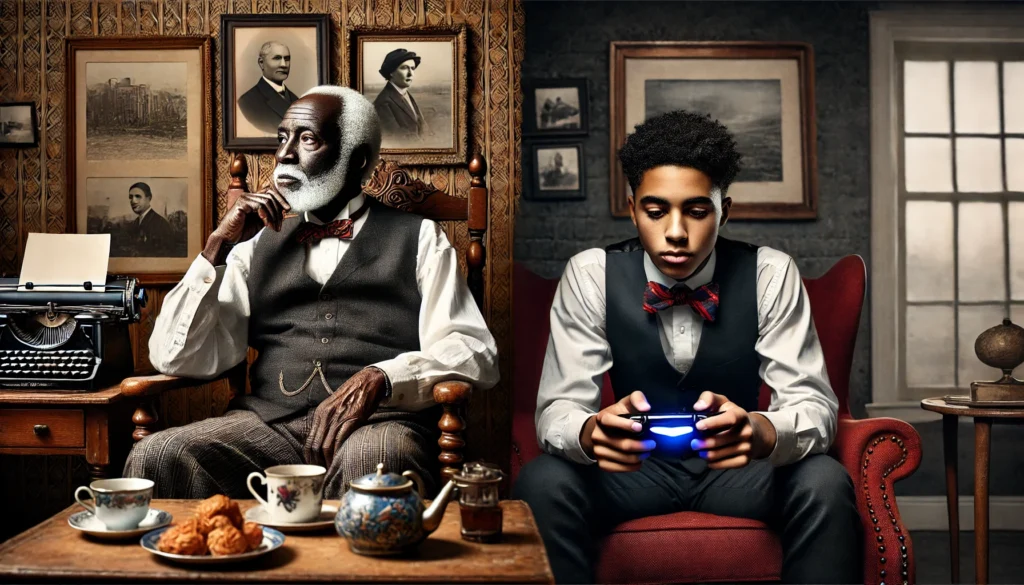
For many parents, the struggle to maintain control and influence over their children is both external and internal. Some are consumed by the demands of survival, juggling multiple jobs and responsibilities. Others find themselves ill-equipped to combat the pervasive reach of digital culture, where algorithms and influencers wield more power over their children’s identities than they do. And, let’s keep it real, still others just don’t care. In fact, those very parents are dancing and rapping along with the younger generation, perpetuating the same toxic content.
The absence of parental guidance is not always intentional—it’s systemic. The breakdown of the family unit, the overreliance on screens, and the ceaseless grind of late-stage capitalism leave little room for meaningful connection between parents and their children. In this vacuum, the culture industry becomes the surrogate parent.
Can We Reel Them Back In?
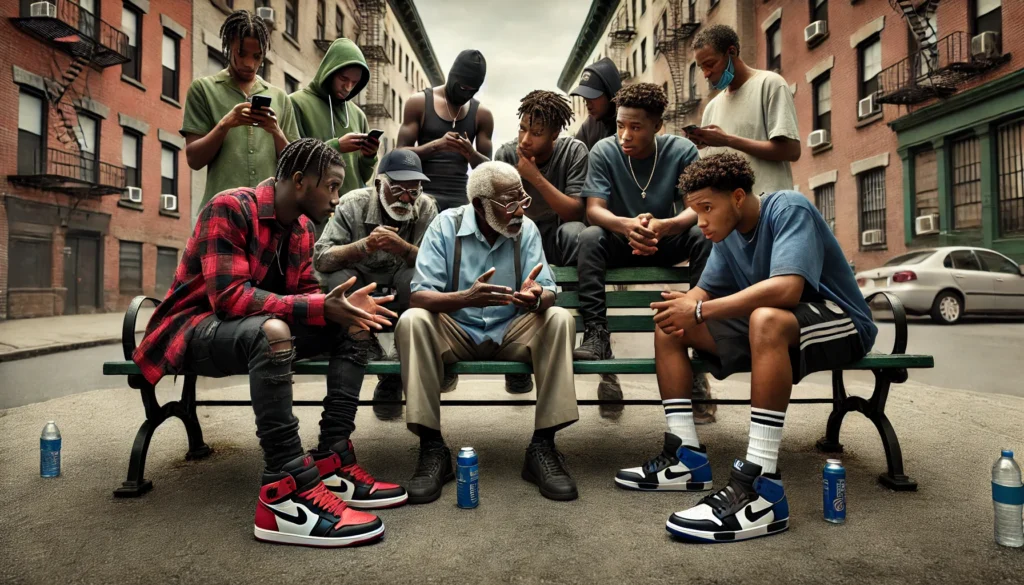
Reclaiming this generation would require more than just effort; it would demand a cultural revolution. However, this revolution comes at a cost—a “Drake-sized marketing budget,” to put it visually for you. To compete with the billion-dollar industries that thrive on youth disengagement and consumerism, we need equally powerful tools to re-engage them. This means investing in community programs, grassroots movements, and creative platforms that amplify messages of self-worth, resilience, and empowerment.
Is It Too Late?
The reality is bleak, but it is not hopeless. The wisdom of past generations—embodied by the men in the background—still holds relevance. To bridge this divide, we must first acknowledge that the fault line runs deep and cannot be repaired overnight. It will take consistent effort, authentic storytelling, and a commitment to rebuilding the bonds that have been fractured.
My voice of reason says…
The image reflects more than just a generational gap; it captures a crisis of identity, values, and belonging. Still, a picture is worth a thousand words. The question is not whether we can save this generation but whether we are willing to prioritize it. The future hinges on whether we can honor the legacy of those who came before while reimagining a narrative that speaks to the challenges of today.