


Intro: A seasoned ear meets silicon
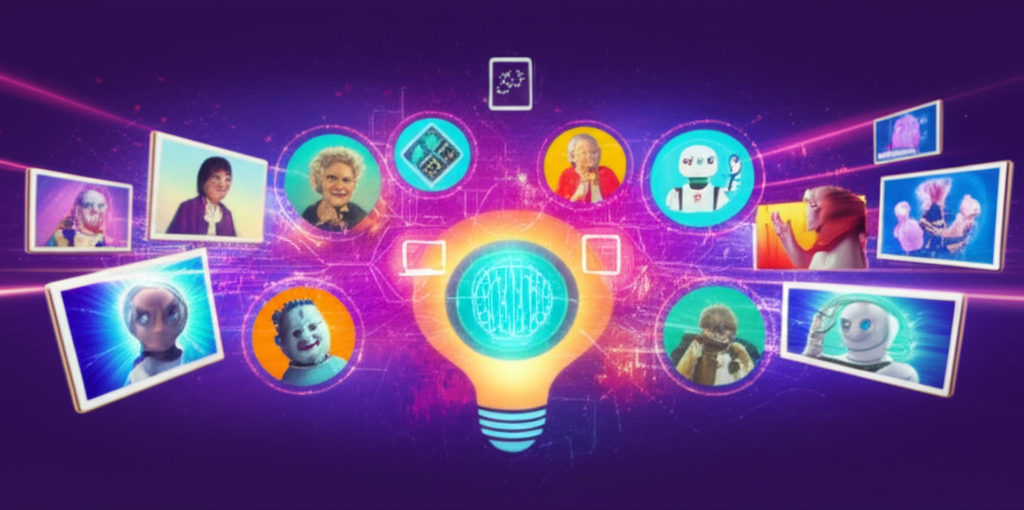
At sixty, most folks have their playlists sorted. They’re reminiscing about the classics or complaining about the noise coming out of today’s speakers. Meanwhile, I’m sliding into the production seat, grabbing artificial intelligence by the collar and asking it to remix my past, present and future. Generative AI has become a multibillion‑dollar industry. A recent market study estimates the generative‑AI‑in‑music market at about $440 million in 2023, with forecasts projecting it will swell to almost $2.8 billion by 2030 as software tools automate composition, mastering and editing. That’s not a fad – it’s a shifting tectonic plate, and I saw an opening.
Reading the room with AI
Before I wrote a single lyric, I plugged into the data. AI‑driven analytics aren’t just for hedge funds; they’re excellent at surfacing what listeners over 40, Gen Z and everyone in between are replaying, sharing and saving. By crunching streaming data, social‑media chatter and genre‑trend reports, I pinpointed the sweet spots: nostalgic melodies with modern production; themes of empowerment and economic sovereignty. Armed with insights, I fired up Suno, an AI music‑generation platform. Instead of replacing my musicianship, it amplified it. AI handled the heavy lifting of chord progressions and arrangements, leaving me to shape vibe, story and soul.
Distribution hack: DistroKid & United Masters
The music was ready – now it needed a home. Traditional labels move slow and keep most of the pie. Digital distributors like DistroKid and United Masters work the opposite way: a flat annual fee and you keep nearly all your royalties. Upload once and your songs land on Spotify, Apple Music, Amazon Music, YouTube, Tidal and dozens of global platforms. Royalty splits? The same analytics platforms that guided my creative choices also track each stream and payment, letting me split earnings automatically with collaborators. That means my producers, vocalists and engineers get paid without chasing cheques.
Execution: Stream counts and residuals
With the beats uploaded, I turned on the marketing machine. I wasn’t shy about telling my story: “I’m 60, using AI, and I refuse to die quietly.” I shared the music on social media, spliced behind‑the‑scenes clips and engaged with listeners who were curious about the process. The results shocked even me: 30,000 streams in our first month, on songs like “Reparations,” “Coffee” and “Entrepreneur.” Today we have over 250 tracks streaming, and the numbers keep climbing. Each stream is a micro‑payment. Multiply that by thousands of plays across hundreds of songs and you start seeing real residual income – money that arrives while I’m sleeping, writing or planning the next move.
Lessons for anyone over 40
- You’re not too late. Generative‑AI tools democratize music production; industry analysts expect the AI‑music market to grow more than 30 % annually. Get in now and you’re still an early adopter.
- Data beats guesswork. Let algorithms tell you what listeners want and when they’re listening. Use those insights to shape your sound.
- Keep ownership. Use distribution services that let you maintain rights and collect royalties directly. The revenue may start small but compounds over time.
- Stay consistent. Residual income comes from catalogue depth. One song won’t change your life, but 250 songs might.
Closing: Reinventing legacy
AI isn’t a magic wand; it’s an amplifier. At sixty, I’m blending decades of experience with futuristic tools and building a new legacy – one that plays while I sleep. The same way you might use AI to write a memoir or plan your finances, I’m using it to compose soundtracks that will pay me long after my hands leave the keyboard. In an industry predicted to be worth billions, that’s not just a creative hobby; it’s a retirement plan.

