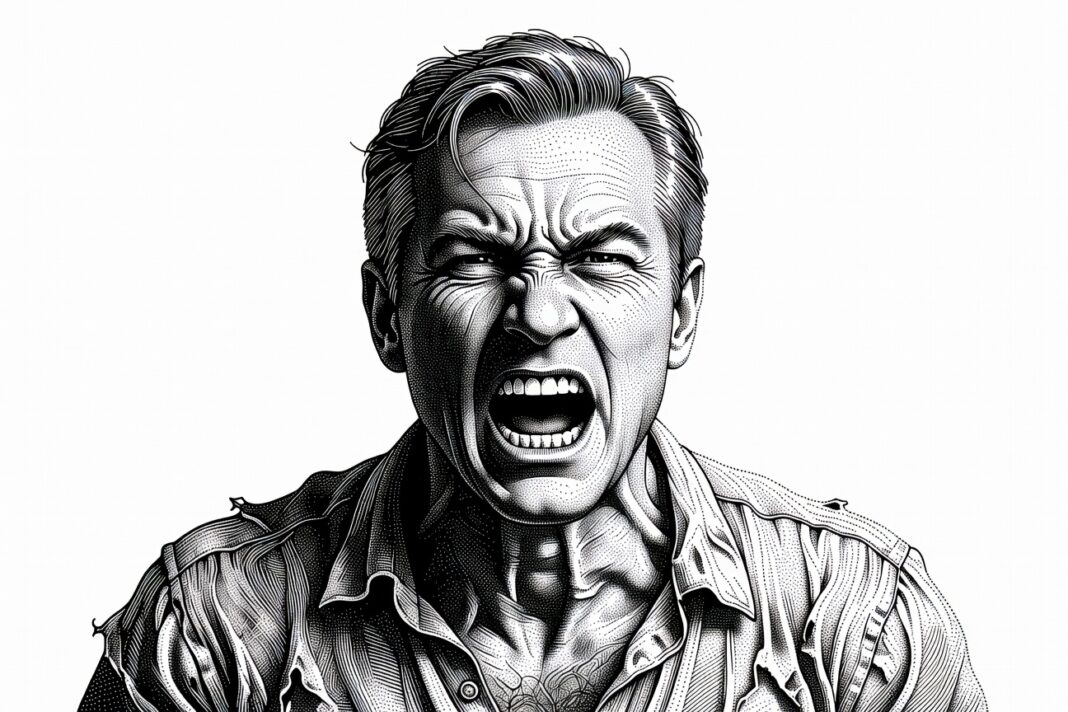

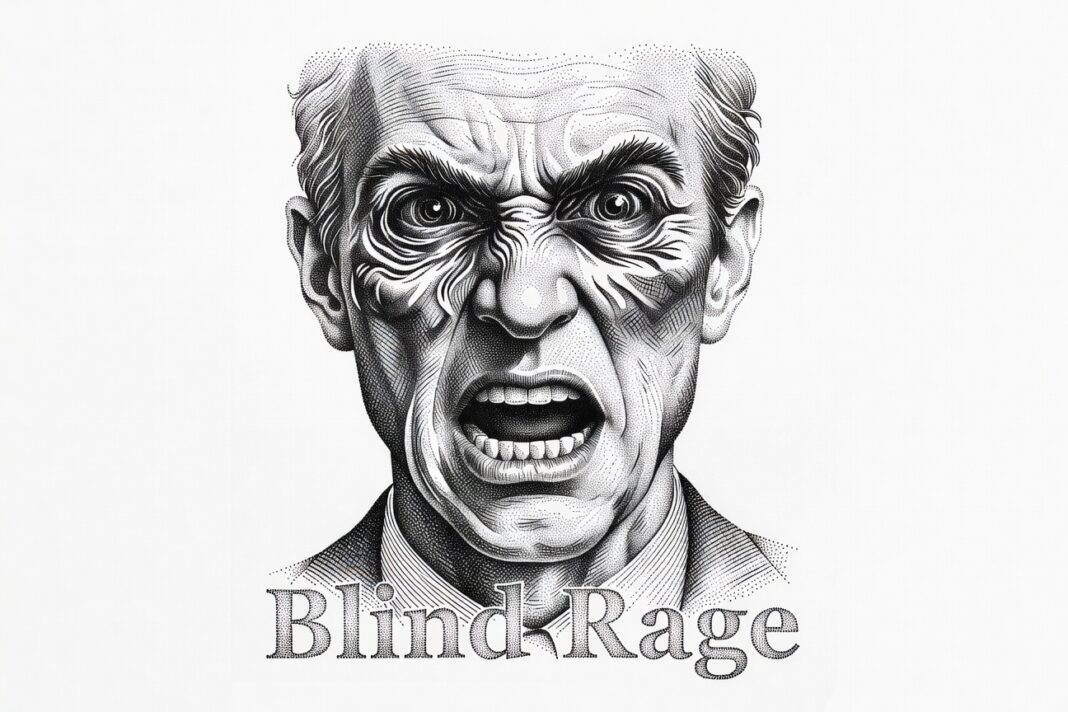
You scroll at 2 a.m., thumb heavy, eyes burning from the blue glow. A post drops—Jay-Z’s name surfaces again, tangled in the latest swirl of old accusations that already collapsed under their own weight. The lawsuit from late 2024, the one claiming something unthinkable from 2000, got withdrawn in early 2025 after the accuser admitted inconsistencies. Jay-Z called it heartbreaking, fought it straight, even turned around and sued for what he saw as extortion. But the comment lands anyway: “Who cares….” Patty types it out raw. You feel the ache underneath—the sense that the powerful play by different rules, that money talks louder than mouths, that regular people get fed scraps while the curtain stays drawn. Your reply comes gentle at first: “I hear you, Patty. ‘Who cares’ hits different when the real ache underneath is feeling unseen, left out, unloved—no matter whose name is on the post.” She pushes back. The celebrities act like they care, but their money never matches the words. Pocket-watching. Hypocrisy. You press, calm but direct: where exactly is their money supposed to be? What’s the rule? Last you checked, their job was to entertain, handle their families, maybe model something worth following. She shuts it down hard: “I really don’t give a crap about them or what you have to say.” You step back. “Sidestepping the question, but I get it. I hope you heal your hurts.” That’s the moment the story idea hits you like cold water: Blind Rage. Not the flashy, meme-level outrage that trends for a day. The quiet, grinding kind that lives in grown adults who still can’t sit with a one-sided story without letting it poison the well. Jay-Z has lived decades behind that curtain—calculated moves, empire-building, the kind of success that invites projection. He doesn’t spill every detail of his nights, his decisions, his private wars. That choice carries a cost. People fill the silence with their own script. Conspiracy theories bloom because the void feels safer than uncertainty. One-sided clips, edited headlines, visceral anger at a man they’ve never met—anger that feels real because emotion always does, even when it’s fed by fragments. Listen to the audio transcript you captured. The voice cracks with frustration at how social media exposes the world’s lunacy. How people judge from what they see, what they hear secondhand, what slips into the brain and won’t leave. “An emotion is a real thing. Anger is a real thing.” They feel it for strangers based on a short, edited clip from a propaganda machine, and suddenly you’re the enemy of freedom if you push back. No rabbit hole. No investment. Just instant compliance to the feeling. You’ve seen it in the comments, in late-night scrolls, in your own chest sometimes. The hurt Patty carried wasn’t really about Jay-Z’s wallet or his transparency. It was the ache of feeling small while others seem untouchable. The rage isn’t blind by accident—it protects. It keeps the world simple: powerful = villain, me = victim, no need to wrestle the gray. But one-sided stories only end one way. They harden. They isolate. They turn the mirror into a weapon pointed outward so you never have to look in. Jay-Z pulled the curtain back a little in that GQ interview—admitted the uncontrollable anger, the heartbreak, the drain. Most big names wouldn’t have replied to Patty at all. The algorithm rewards silence or spectacle, not the quiet work of showing up. Here’s the fracture you sit with tonight: we’re all carrying something at 2 a.m. Scrolling because the disconnection aches. Wanting to matter, to be seen, to have our pain witnessed without it being dismissed as “who cares.” The celebrities become stand-ins for every system that feels rigged. The rage becomes a cup of warmth in the cold ocean—temporary, but it beats freezing alone. Blind rage feels righteous in the moment. It gives the hurt a target. But it never fixes the sea. It just keeps you treading water, fists clenched, missing the one cup someone might actually hand you if you let the question land. What’s weighing on you tonight that makes the name trigger the heat before the facts even settle? Not asking to defend anyone. Asking because I’ve felt the pull too—the temptation to let the emotion ride without checking the receipt. Grown adults, full-grown, still chasing the hit of being right without doing the dive. The story “Blind Rage” doesn’t need villains or heroes. It needs the mirror. The part where you pause mid-scroll, feel the ache, and ask: whose cup am I really reaching for? Is it healing, or just another way to stay unseen? You showed up in the comments. I showed up back. That small exchange—two strangers refusing to let the algorithm win—matters more than the next headline. The curtain stays thick for a reason. Transparency costs. But so does the rage we nurse in its shadow. Tell me what actually reaches you when everything feels pointless. Not the rage. The part that still wants the warm water. I’m still here, listening. Even if it’s just one cup.


Previous article
Next article

