




Let’s Dive In…
The cell was a cramped box of concrete and steel, its cold walls closing in like a vice. Bars sliced through the space, a constant reminder that freedom wasn’t mine—it was just an idea, floating somewhere out of reach. The air was thick, sour—a mix of sweat, stale cigarette smoke, and that ever-present tang of fear that clung to places like Union County Jail. It wasn’t just a cell; it was my crucible, where everything I thought I knew about myself would either burn away or turn to steel.
I never dreamed of being a writer. Hell, I never planned on being there at all. But life doesn’t ask for your permission before it flips the script. A wild six months of bad decisions and reckless energy landed me in that box, staring at the reality of a seven-year sentence.
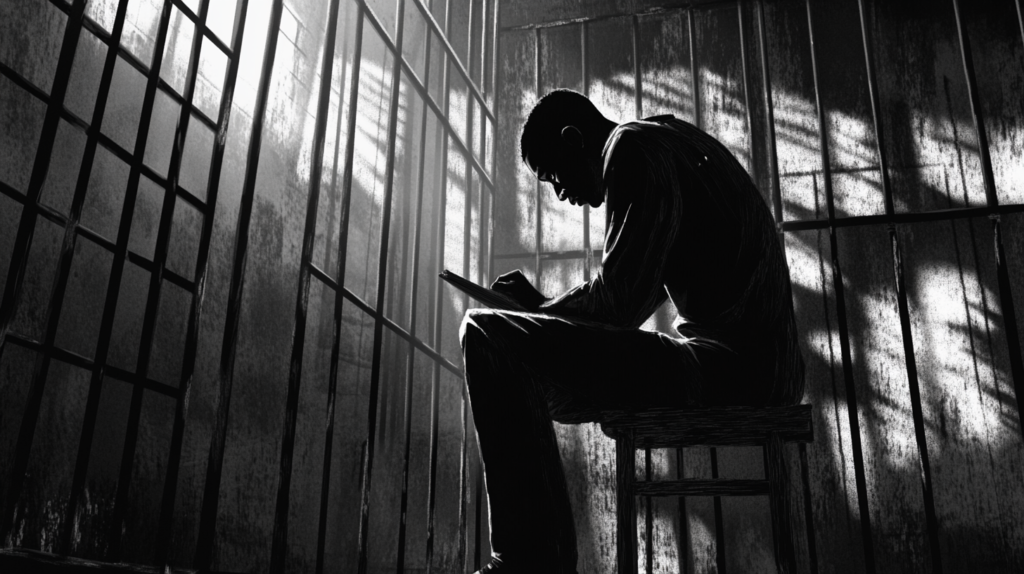
I remember scanning the faces of the other inmates—hard eyes, tattooed stories on their skin, men who wore their pasts like armor. “Gang members,” I thought, instinctively cataloging them. Me? I was the odd man out, a fish flopping on dry land. Nobody there knew who I was or where I’d come from—Mount Vernon streets to mingling with music industry giants.
But in that tiny, suffocating space, something unexpected happened. I found a lifeline. Not a rope or a file baked into a cake, but a pen and a pad of paper. Writing became my escape hatch, my way of carving out sanity in the chaos. I wrote furiously—poems, songs, thoughts I didn’t even know I had. Three, four a day, sometimes more. It was like bleeding onto the page, and every word was a little piece of me clawing its way toward the light.
Back then, I didn’t have a grand plan. I was just writing to keep my mind from snapping. And then came the moment that could’ve crushed me. I sent over 300 songs—my heart, my soul—to a producer I’d admired, a friend I trusted. He’d bring me into his home. I met his family and rested on his couch. Weeks later, they came back with a note: “Please don’t send me any more songs.”
That note gutted me. Betrayal. Anger. A cold wave of disappointment. But like they say, pressure makes diamonds. Out of that crushing rejection, a fire sparked inside me. If the music industry didn’t want me, fine. I’d show them something they couldn’t ignore.
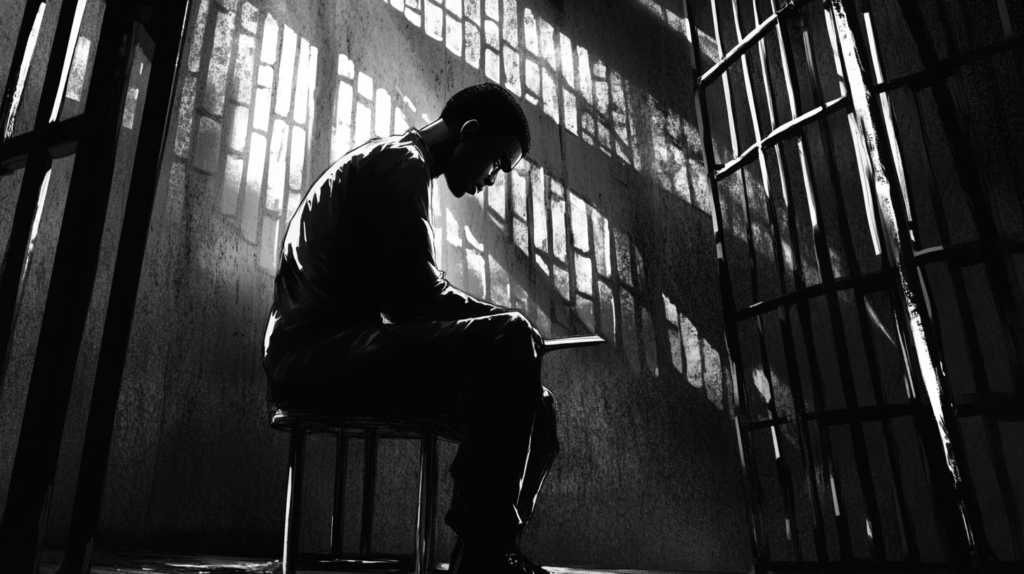
“I’m going to write books,” I told myself. “I’ll create stories so powerful they’ll outlast me.” Books, I realized, weren’t like songs—here today, forgotten tomorrow. They had permanence. They could become movies, legacies, movements. So I got to work, hammering out manuscript after manuscript. Thirty books later, I had the foundation for my reinvention.
Prison didn’t just strip me down; it rebuilt me. It gave me time to confront my demons and find my purpose. Writing wasn’t just therapy; it was a way to prove to myself that I wasn’t defined by my past or my mistakes.
Here’s the thing: the toughest prison isn’t made of concrete and bars—it’s the one we build in our own minds. Doubts, fears, regrets—those can keep you more locked up than any cell ever could. But I learned how to break out. It took courage, grit, and a relentless drive to create something lasting.
I walked out of that place not as a broken man, but as a writer, a hustler, a name people would come to know: Relentless Aaron. And let me tell you, that name carries weight because it’s built on a refusal to be denied.
The prison of the mind is real, but it’s not unbeatable. With the right mindset, even the darkest hole can lead you to freedom. My freedom started with a pen, a pad, and a belief that I could be more than my circumstances.


