




Jess Varley’s directorial debut, The Astronaut, starring Kate Mara, arrives as a intriguing entry in the sci-fi horror genre, blending isolation, paranoia, and extraterrestrial dread. The film follows astronaut Sam Walker (Mara) who crash-lands back on Earth after a mysterious space mission gone awry. Placed in quarantine by NASA officials, including a stern general, and her father played by Laurence Fishburne, Sam begins experiencing unsettling phenomena that blur the line between reality and hallucination. Varley’s vision draws clear inspiration from classics like Alien and The Thing, but it carves out its own niche with a more intimate, psychological focus. It’s a film that hooked me early on with its atmospheric tension.
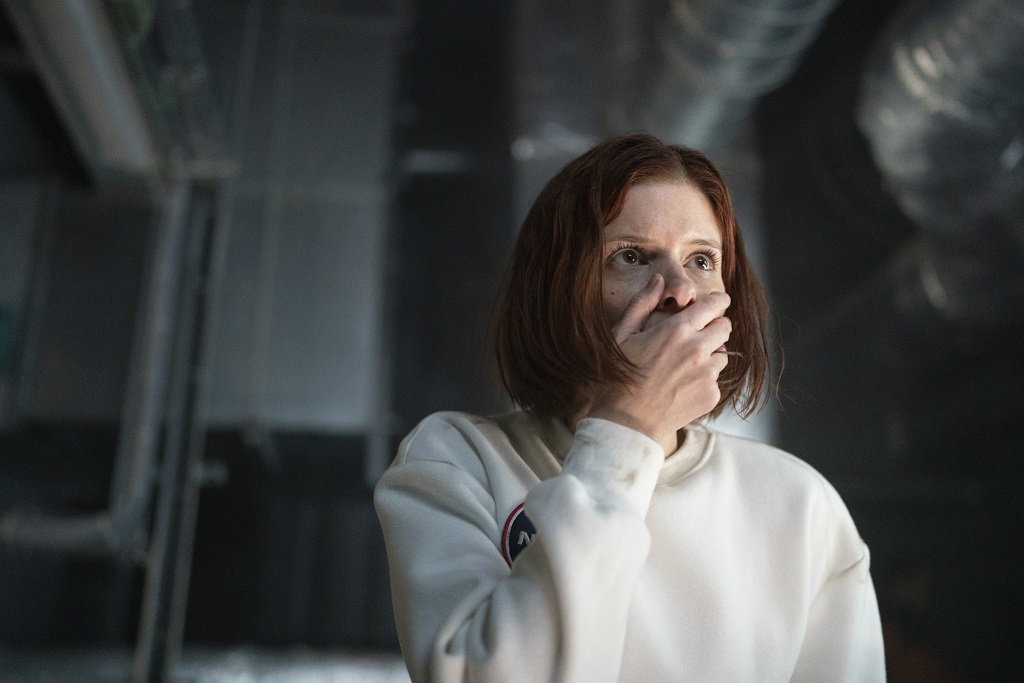
The plot kicks off with a high-stakes re-entry sequence that’s viscerally thrilling, setting a tone of impending doom right from the start. We see Sam’s capsule hurtling through the atmosphere, flames licking the exterior, as alarms blare and communications falter. This opening not only showcases impressive visual effects but also establishes the film’s core mystery: Did something hitch a ride back with her from the void of space?
Kate Mara’s performance anchors the movie, bringing a raw vulnerability to Sam that’s quite compelling. As a seasoned astronaut grappling with the psychological toll of her ordeal, Mara conveys quiet strength mixed with creeping doubt. Her subtle facial expressions during moments of solitude speak volumes, making us question whether her fears are grounded in truth or trauma-induced delusions.
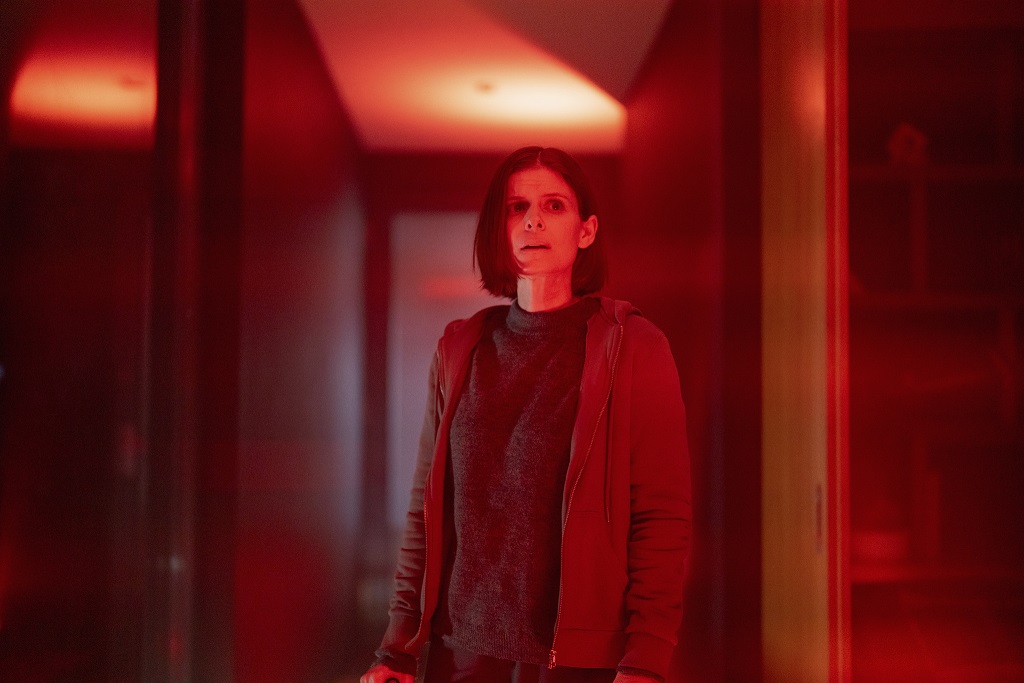
Visually, The Astronaut shines with its sleek cinematography. The quarantine facility—a sprawling, modern mansion—serves as a character in itself, with wide shots emphasizing empty corridors and shadowy corners that amplify the eerie atmosphere. One of the film’s strongest aspects is its exploration of post-mission trauma, a theme that’s underexplored in space-centric stories. Sam’s interactions with her family via video calls highlight the emotional disconnect caused by her absence, adding a human element that grounds the supernatural suspicions.
As the narrative progresses into the second act, the tension ratchets up masterfully. Strange occurrences—levitating objects, flickering lights, and inexplicable wounds—create a palpable sense of dread. I found myself fully immersed, second-guessing every shadow and sound alongside Sam. However, the film’s momentum begins to waver as it approaches the climax. The ending, in particular, left me feeling somewhat deflated. After such a strong build-up, the resolution let me down a bit, as it felt less believable.
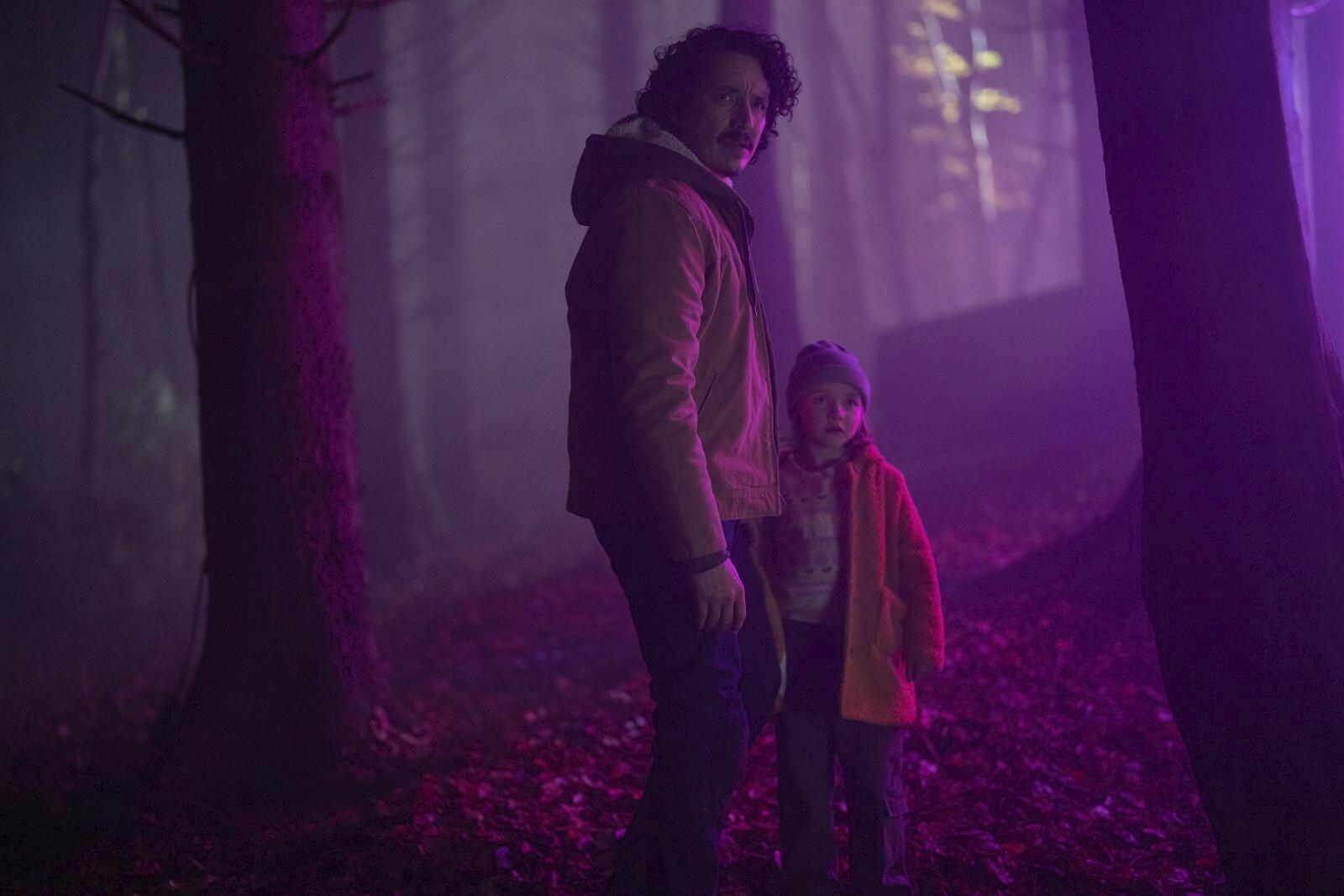
Despite these flaws, The Astronaut remains a worthwhile watch for fans of contained sci-fi horrors. Varley’s direction shows promise, and the production values punch above the film’s modest budget. It’s a reminder that even imperfect films can deliver memorable moments, especially in Mara’s committed portrayal.
- Email: neill@outloudculture.com


