



The Fine Line Between Sportsmanship and Violence
The Full Picture: I.C. Norcom’s Alaila Everett Speaks Out
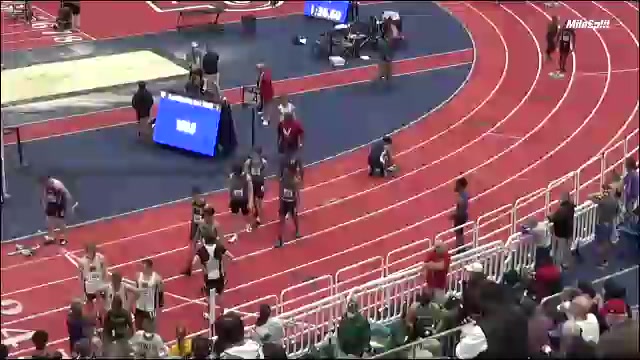
The incident at the VHSL Class 3 State Indoor Championships went viral for all the wrong reasons. The short clip of I.C. Norcom senior Alaila Everett striking Brookville High’s Kaelen Tucker with a baton during a relay race spread across social media, drawing outrage and calls for disciplinary action. Everett’s team was disqualified, and Tucker’s family has since sought a protective order against her.
However, Everett claims that the video doesn’t tell the full story.
“Everybody has feelings, so you’re physically hurt, but you’re not thinking of my mental,” Everett said, describing the backlash she has faced, including racial slurs, threats, and being portrayed as an aggressor. But this was more than her being the “aggressor” this was the vulture on the attack. This was the frustrated Mike Tyson biting Evander’s ear off. Feelings? Mental? Nah BITCH! You ATTACKED HER!
Everett explains that the moment was an accident—the result of her baton getting caught behind Tucker’s back as they rounded a curve. When she moved her arm again, the baton struck Tucker, leading to the now-infamous moment.
Yet, despite Everett’s insistence that it was unintentional, Tucker’s family has blocked her on social media and is demanding an apology.

The Role of Public Perception and the Media in Sports Controversies
This case raises an important question: how quickly do we judge based on viral moments without seeing the full story?
We’ve seen this play out before in sports history. The Tonya Harding-Nancy Kerrigan scandal comes to mind—a situation where the narrative was split between those who saw Harding as the mastermind of a violent attack and those who believed she was a scapegoat. Similarly, Mike Tyson’s bite in his fight against Evander Holyfield is remembered as an act of aggression, but Tyson himself argued that Holyfield had been headbutting him repeatedly.
Social media has amplified this kind of instant judgment. A nine-second clip can define an athlete’s career before they even get a chance to explain. Everett’s case demonstrates the consequences of a one-sided narrative, whether or not her actions were intentional.
The Virginia High School League (VHSL) and Portsmouth Public Schools are still investigating, emphasizing the need for fairness and due process in competitive sports disputes.

What This Means for Sportsmanship Going Forward
This situation serves as a critical reminder of why sportsmanship matters—not just for athletes, but for the coaches, referees, parents, and fans who play a role in shaping competitive environments.
- Instant judgments can be dangerous – A single video clip rarely tells the full story. Before condemning an athlete, context matters.
- Competition should never come at the expense of respect – Even in heated moments, athletes must remain disciplined to prevent unnecessary harm.
- The responsibility of governing bodies – It’s essential for organizations like VHSL to thoroughly investigate incidents rather than allowing public opinion to dictate outcomes.
At the heart of sports is not just the desire to win, but the ability to handle loss, setbacks, and even controversy with integrity. Whether Everett acted intentionally or not, this situation calls for a larger conversation about the pressures young athletes face, the role of instant media narratives, and the true meaning of fair play in competition.