

Your Trauma is Your Superpower: Weaponizing Your Scars for a World That Wants You Broken
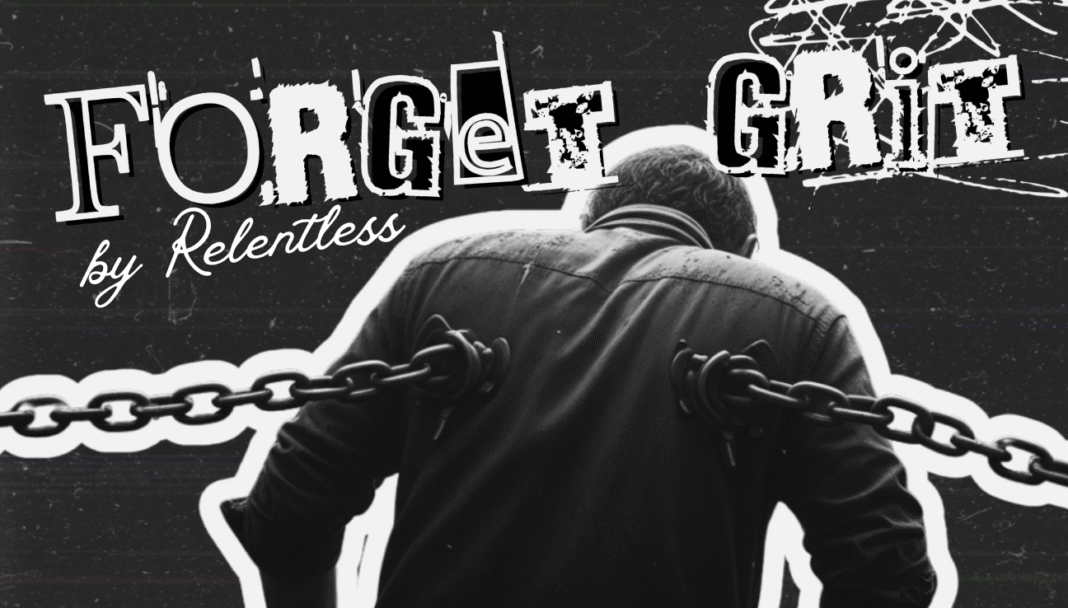
Let’s get one thing straight from the jump: the world is designed to break you. It’s built on fault lines of power and privilege, a concrete jungle where the rules were written long before you or I got here. Systems of education, justice, and finance weren’t accidents; they were engineered. [12] They’re designed to chew up the unprepared and spit out the unlucky. For some of us, that pressure is a little more direct. It’s the bright glare of streetlights where there should be opportunity, the cold shoulder of a society that sees your skin color or your zip code before it sees your soul. This ain’t a complaint. It’s a statement of fact. This is the terrain. And on this terrain, you collect scars.
Some scars are loud—the kind that come from violence, from loss, from a system that slammed a door in your face so hard the frame splintered. Others are quiet, hairline fractures on the inside from words that cut deep, from neglect that felt like starvation, from watching your people struggle against a stacked deck. [19] That’s trauma. It’s not some fancy word for the therapists’ couch; it’s the residue of a war you never asked to fight. It’s the ghost in your machine. And everyone, from the self-help gurus to the well-meaning but clueless, wants to tell you to just “let it go.” They’ll sell you toxic positivity like it’s a miracle cure, telling you to look on the bright side. [9] “Good vibes only.” That’s a lie. It’s a way to shut you up, to make your legitimate pain convenient for them. [15]
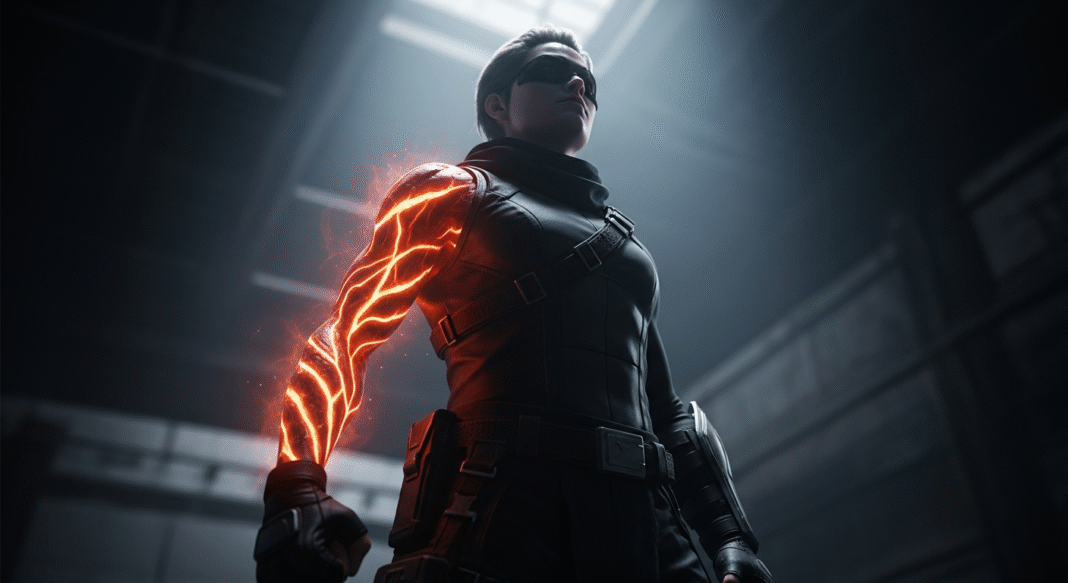
They want you to see your trauma as a weakness, a disability, something to be ashamed of. But what if that scar tissue is the toughest part of you? What if the very things that were meant to break you are the source of your greatest strength? This isn’t about pretending the pain didn’t happen. Hell no. This is about acknowledging it, feeling every jagged edge, and then flipping the script. It’s about looking at your wounds and seeing a map, a blueprint for a different kind of power.
Think about it. The kid who grew up in a chaotic home, never knowing where the next meal or the next blow was coming from? That kid develops a kind of radar. Hyper-vigilance, they call it in the textbooks. On the block, we call it seeing three moves ahead. You learn to read a room in a split second. You notice the subtle shift in a person’s eyes, the tension in their voice before they even know they’re tense. While others are playing checkers, you’re playing 3D chess in your head. That’s not a disorder; that’s a finely-tuned survival instinct. In a world full of predators and politicians—and it’s getting harder to tell the difference—that instinct is a goddamn superpower.
The person who was told they were nothing, who had to pull themselves up with no safety net? They learn a self-reliance that the privileged can only imitate. When you’ve had to be your own hero, your own provider, and your own cheerleader, you build an engine inside you that doesn’t quit. [25] You’re not waiting for a handout or a rescue. You become the rescue. You know how to make something from nothing, how to find a way when there is no way. That’s not just resilience; that’s alchemy. You’re turning dirt into gold, every single day.
Now, here’s the fine print. There’s a difference between using your trauma and letting it use you. You see people out here weaponizing their pain in the wrong way—using it as a shield to avoid responsibility, a club to demand sympathy, or a tool to manipulate the people around them. [7] They stay stuck in the story of what happened to them, using it as an excuse to be a shitty person. [6] That’s the victim mindset. They’re a ghost, haunted by their past and haunting everyone else. A victor knows the past is a lesson, not a life sentence. A victor takes that pain and forges it into a weapon for their own liberation and to clear a path for others. It’s the shift from “why me?” to “watch me.”
To weaponize your scars is to understand the system that inflicted them. You see the traps because you’ve been in them. You recognize the game because you were forced to play it on the hardest difficulty setting. This gives you a unique perspective, an empathy for others caught in the same struggle. It gives you a voice that rings with an authenticity that can’t be faked. Look at the real ones who changed the world. Harriet Tubman. Malcolm X. Their power came directly from the heart of their oppression. They didn’t just survive it; they analyzed it, understood it, and used that knowledge to dismantle it brick by brick. [11]
So don’t let anyone tell you to bury your past. Don’t let them shame you for your scars. Those scars are your diploma from the university of adversity. They prove you were stronger than whatever tried to kill you. Own them. Study them. Understand the mechanics of how you got them. Then, turn that understanding outward. Your trauma gives you a lens to see the world as it really is. It’s a fire that, if you learn to control it, can light your way and burn down the obstacles in your path. The world wanted you broken. Instead, you became unbreakable. Now, what are you going to do with that power?