

You Might Be Living In, Too
There’s a moment you probably know. Someone you admired does something that makes you sit back and go, huh. Not shock. Not quite anger. More like recognition. Like the thing you’d suspected but could never name just walked in and took a seat.
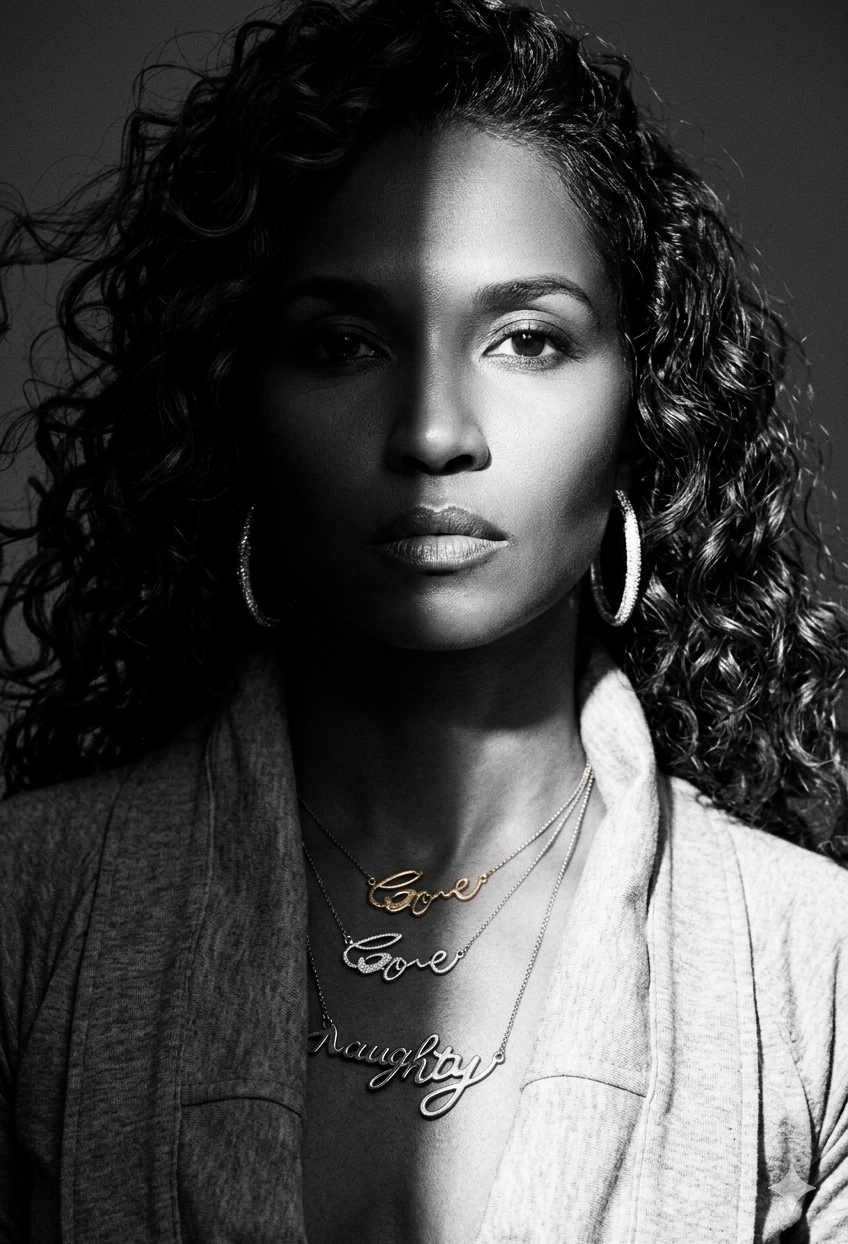
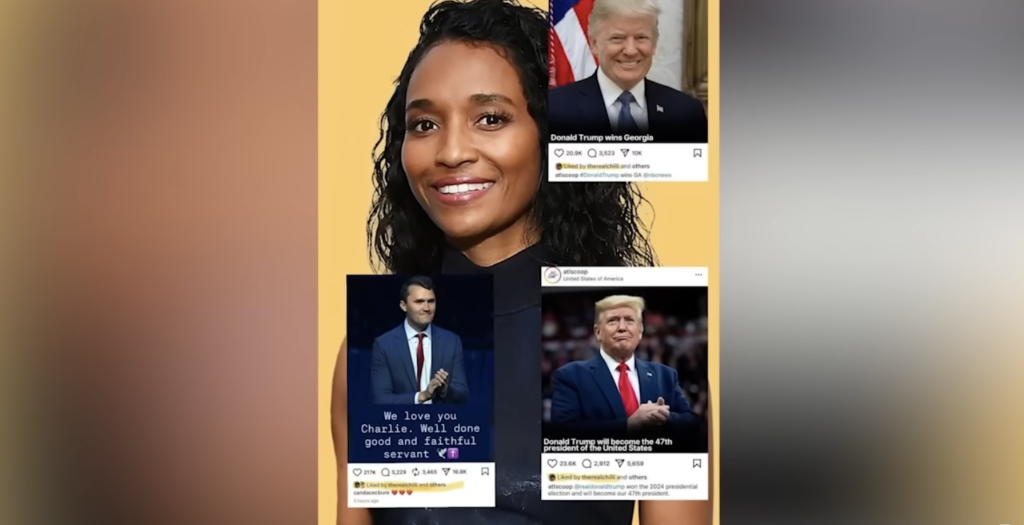
That’s what happened when Chilli’s receipts hit the internet.
FEC records showed roughly $897 in donations across seventeen contributions. WinRed, the Never Surrender PAC, the Trump National Committee. Then a conspiracy post calling Michelle Obama a man sat on her page long enough for screenshots to spread. Her bandmate T-Boz, who has stood on the other side of that line for years, suddenly became more than a musical partner. She became a mirror.
Chilli’s response: “I am not MAGA.” She said she didn’t read the fine print. Thought she was supporting veterans and efforts against human trafficking.
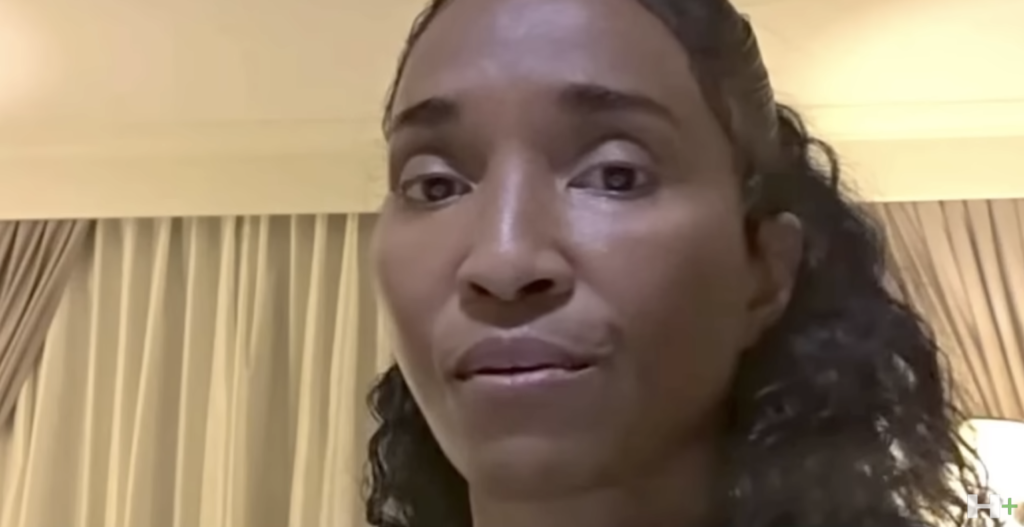
Maybe. People miss details. Fine print is treacherous.
But this moment reaches far past one singer. It has little to do with Chilli specifically and everything to do with the world we’re all trying to navigate right now.
We used to call this a conspiracy theory.
Not long ago, if you suggested a beloved R&B artist was quietly funding conservative causes, you’d get waved off as messy. No proof without private ledgers and closed-door conversations. The curtain held. The image stayed intact.
That curtain is shredded.
The FEC database is public. What you repost lives on servers that never forget. Screenshots outrun deletions. The algorithm remembers what you lingered on, what you shared, what felt safe enough to attach your name to. Unlike memory, it doesn’t blur with time.
We’re living in total digital transparency. Most of us still haven’t absorbed what that actually means for the lives, careers, and legacies we’re building in real time.
Your digital footprint isn’t only your posts. It’s the shape of your attention. The content that felt good enough to forward. The causes that got your money when the window felt private and the audience felt small. It’s the version of you that existed before you realized everyone was watching.
That version is still out there. And searchable.
The feed becomes the foundation.
What you consume, day after day, scroll after scroll, starts to construct you. This isn’t metaphor. It’s how minds actually work. The information diet slowly hardens the frame through which you see everything else. What feels true, what feels plausible, which voices feel like home. Brilliant people get pulled into ecosystems that calcify their thinking. The feed doesn’t care about your IQ. It cares about your engagement.
So when someone reposts a conspiracy theory and leaves it up long enough for it to register, you’re not just watching a slip. You’re seeing the residue of an information diet. You’re seeing what felt normal enough to share. What didn’t trip the internal alarm. That comfort level is the tell. Not the dollar amount. Not the label. The fact that it passed through without resistance.
Once the technology exists to surface it, your private opinions aren’t private. They’re just delayed public record.

What this costs
The It’s Iconic Tour. Salt-N-Pepa, En Vogue, TLC sharing a stage. Real money. Real legacy. Three decades of surviving the industry, each other, and loss, crystallized into one cultural moment.
Now it’s also a conversation about whether to buy a ticket.
That’s the bleed. That midnight scroll where something inflammatory crosses your feed and your thumb hesitates just a second too long before you hit repost. Your opinions no longer stay in your chest or in rooms you thought were private. They travel through donation records, shares, metadata. They reach your career, your relationships, your reputation long before you finish explaining yourself.
The artists who built warmth and community trust face the steepest drop. The distance between the presented self and the private one becomes the headline.
The elephant in the room
The entertainment industry once ran on an unspoken deal: make the art, we’ll grant you the grace of ambiguity. Private politics, private contradictions. Keep them off the stage and we won’t ask.
That deal is being rewritten without a vote.
Fans aren’t just consumers anymore. They’re investigators. Archivers. They watch for alignment between the values signaled on stage and the choices made with money, platform, and attention. In a time when policy lands directly in healthcare, safety, classrooms, ambiguity has grown expensive.
You cannot wave the banner of Black girl power and financial independence under the lights, then quietly fund directions that pull against those very systems, without someone noticing. Not in 2026. That’s not moralizing. That’s the new physics of public life.
What now
This moment asks something of every person who has built anything that carries their name.
Own who you are before the internet does it for you.
The digital age doesn’t punish authenticity. It punishes the gap between image and truth. People can forgive conviction, complexity, even honest contradiction. What’s harder to forgive is the performance of values you weren’t actually living.
The most durable path. Career, credibility, legacy. The one where the public version and the private version sit close enough that no screenshot can rattle them.
Your digital footprint is your biography now. Written in real time. Permanent. Searchable.
The question isn’t whether you’ll be seen. You already are.
The question is whether what they find is something you can stand behind. Without flinching.


