Notice: Function _load_textdomain_just_in_time was called incorrectly. Translation loading for the td-cloud-library domain was triggered too early. This is usually an indicator for some code in the plugin or theme running too early. Translations should be loaded at the init action or later. Please see Debugging in WordPress for more information. (This message was added in version 6.7.0.) in /home/releande/public_html/wp-includes/functions.php on line 6170 News Magazine | Get The Most Freshy News Every Day | Page 57
This website may contain affiliate links and advertising so that we can provide recipes to you. Read my disclosure policy.
My Valentine’s Day Crack is the cutesy pink version of my famous Christmas crack! Same buttery, snappy toffee base, just with pink candy melts and festive sprinkles. It’s perfect for kids’ parties, Galentine’s, or a sweet little Valentine’s treat.
Why This Is Perfect for Valentine’s Day
It has real snap! Crisp toffee and crackers give you that clean break that crack should have, not a soft candy bite.
The sweet-salty balance works: The buttery base keeps the sweetness from feeling too heavy. It has a great salty-sweet balance!
It’s made for sharing: Easy to break, stack, bag, and gift for parties, classrooms, or little Valentine surprises. Call it Cupid Crack for a fun twist!
Valentine’s Day Crack Ingredients
Candy Melts: I used light pink candy melts from Walmart, but any Valentine’s Day colors work. You can even mix pink, red, and white and swirl them together once they melt on the hot toffee.
Chocolate Chips Option: Skip the candy melts and use white chocolate chips instead. Just use plenty of Valentine’s Day sprinkles.
Finish with a pinch of sea salt: A light sprinkle on top sharpens the sweet and brings out the buttery cracker base.
Add extra candy if you want:Valentine’s Day M&M’s mix in easily with the sprinkles for more color and crunch.
Swap the base: Biscoff cookies or graham crackers work if you want a slightly different flavor twist.
How to Make Valentine’s Day Crack Candy
It just makes sense to have a saltine cracker candy recipe for every occasion! Valentine’s Day crack candy is a super easy recipe and uses simple ingredients. I love that you can swap out the colors and sprinkles to match any theme!
Prep: Preheat the oven to 400°F. Line a 10 x 15-inch baking sheet with parchment paper and spray with nonstick cooking spray. Arrange 35-40 saltine crackers evenly on the bottom of the pan, and set aside.
Make Toffee: Melt butter and brown sugar in a medium saucepan over medium-high heat until the sugar has completely dissolved and the toffee mixture is boiling. Boil for 2-3 minutes, or until the temperature reaches 270-290°F.
Pour & Bake: Pour the toffee mixture over the saltine crackers, then use a heat-safe spatula to spread it evenly. Bake for 5 minutes. Remove the pan from the oven and sprinkle the candy melts evenly over the top. Let the pan sit for 2-3 minutes, until the candy melts have melted.
Spread & Sprinkle: Spread the melted chocolate evenly over the toffee bark, then sprinkle with Valentine sprinkles of choice. Allow the Valentine’s Day crack to cool completely and harden before breaking into pieces and serving.
Alyssa’s Pro Tip
Toffee Temperature: Make sure the toffee reaches 270–290°F. That extra patience is what gives you that clean snap instead of a chewy bite.
Pin this now to find it later
Pin It
Prevent your screen from going dark
Preheat the oven to 400 degrees Fahrenheit. Line a 10 x 15-inch baking sheet with aluminum foil and spray with nonstick cooking spray.
Arrange 35-40 saltine crackers in even rows on the prepared pan until the bottom of the pan is filled, and set aside.
Melt 1 cup unsalted butter and 1 cup packed brown sugar in a medium saucepan over medium-high heat until the sugar has completely dissolved and the toffee mixture is boiling. Boil for 2-3 minutes, or until the temperature reaches 270-290 degrees Fahrenheit.
Pour the toffee mixture over the saltine crackers and use a heat-safe spatula to spread it evenly. Bake for 5 minutes.
Remove the pan from the oven and sprinkle 2 cups light pink candy melts evenly over the top. Let the pan sit for 2-3 minutes, until the candy melts have melted.
Spread the candy melts evenly over the toffee and sprinkle with Valentine’s Day sprinkles of choice. Allow the crack to cool completely and harden before breaking into pieces and serving.
Room temperature: Store in an airtight container or zip-top bag for up to 7 days.
Refrigerator: Keeps for up to 2 weeks in an airtight container.
Freezer: Freeze for up to 3 months in a freezer bag or airtight container. Layer parchment between pieces so they don’t stick.
Over the last few months, the CAPC team has compiled a list of our favorite pop culture artifacts from the previous year. Unlike most year-end lists, we don’t claim that these are the “best.” Rather, these are the things that brought us the most joy and satisfaction throughout the last 12 months.
For 2025, our favorite TV included a sci-fi thriller, a late night talk show, a rom-com, and a return to Lumon Industries.
Andor, Season Two (Disney+)
Andor‘s first season set a pretty high bar, taking us to the galaxy far, far away but eschewing the expected Star Wars staples—there’s nary a Jedi or lightsaber in sight—to instead deliver a harrowing political thriller about Imperial tyranny and the rise of the Rebellion. When season two begins, Cassian Andor is a hardened rebel operative, willing to do whatever it takes to bring down the festering Empire. However, the nascent Rebellion operates in fits and starts, with competing factions trying to bring down the Empire with their own agendas—when they’re not squabbling with each other.
Over the course of twelve episodes, Andor‘s final season reveals the moral and ethical demands involved in battling tyranny, expanding on Luthen Rael’s powerful “Sacrifice” monologue from season one to show us characters all doing their best to survive the struggle. Mon Mothma lives luxuriously as a galactic senator, but her efforts to fund the Rebellion will cost her in ways she could never expect; Bix is wracked with PTSD from Imperial torture, escaping into drugs and schemes of revenge; and Luthen and his young protege Kleya continually operate from within the shadows even as their own side suspects them. Part of Andor‘s strength is that it also shows us how the the other side fares, and nowhere more so than Dedra Meero, the Imperial agent whose ambition and guile are both her greatest strength and weakness.
As Andor‘s second season draws closer to its end and the events of 2016’s Rogue One, its narrative strength grows. Series creator Tony Gilroy and his fellow writers deliver a series that almost feels prophetic at times as it makes crystal clear the slow, seductive nature of tyranny and the costly sacrifices necessary to combat it. As it culminates in a haunting montage that reveals the ultimate fates of its various characters, one thing is certain: Andor will stick with you long after the credits finish rolling, Star Wars fan or not.
—Jason Morehead
Dept. Q, Season One (Netflix)
Initially published in Denmark as Kvinden i buret (The Keeper of Lost Causes) in 2007, Jussi Adler-Olsen’s novel series focuses on a special cold case unit. The unit, called “Department Q” (you guessed it, Afdeling Q in Danish), centers around demoted Detective Carl Mørck (played in this series by Matthew Goode).
If you’ve seen the trailer, you’ll know that, having barely survived being murdered, Morck must simultaneously deal with PTSD and investigate a high profile missing persons case. By the end of the first episode we realize not only is this a riveting whodunit with dark-comedy aspects of an underdog assemblage, but a story told on multiple timelines. That may sound like a lot of work for us as the audience and granted, you can’t distractedly scroll on your phone through this one, but why would you want to?
The show is so good, that, much like the Dept. Q team, I can provide empirical evidence: I never binge shows, but I binged this one. I mean, if you thought Matthew Goode was goode in The Offer, just wait. And yet, there is something more, something deeper than a great plot and stellar acting, the intrigue is interpersonal.
I agree with John Power’s review that the characters are integral, but I disagree that the mysteries take a back seat. Because every crime is done by humans and solved by humans, a human audience relates to the interpersonal. That’s why 43 percent of the Bible is narrative; God is mysteriously personal and made us relational. I also believe this is why fictional crime has flourished in the streaming era, because we love great stories and solving a good mystery. But it’s no mystery whether we’ll get more Dept. Q—the series has been renewed for a second season!
—Chris Fogle
Dropout TV
Formerly known as CollegeHumor, Dropout is the scrappy streaming underdog that turned out to be a massive success thanks to its eclectic and hilarious programming. Make no mistake, though: Dropout’s various titles—which include the meta game show Game Changer, the D&D live play Dimension 20, the madcap improv of Make Some Noise, and the awkward audience interactions of Crowd Control—can get really crass and really weird.
But I’m convinced that Dropout is less a streaming platform that frequently traffics in R-rated humor, and more a community filled with people who genuinely love and respect each other. That certainly explains the fearlessness of some of their bits; you’re not going to do the sort of zany, reckless improv that you see on Make Some Noise unless you trust everyone else on the stage with you. And the show’s all the more hilarious as a result.
It also explains the grace and generosity that Dropout CEO Sam Reich and his numerous collaborators—Brennan Lee Mulligan, Josh Ruben, Zac Oyama, Vic Michaelis, Jacob Wysocki, Ally Beardsley, Lisa Gilroy, and many more—show one another. For one episode of Game Changer, Dropout took on a corporate sponsor (LinkedIn) simply so they could create an elaborate ruse to give Wysocki $100,000 as he dealt with his mother’s death. And in the season’s biggest twist, Mulligan, who’s frequently the butt of Reich’s treatment on Game Changer, kidnapped Reich and forced him to participate in his own Game Changer episode—which ultimately proved to be a delightful celebration of Reich’s life, interests, and relationships. Even Gilroy’s never-ending antagonism of Reich comes from a place of love. (At least, I hope it does.)
It’s probably too presumptuous to say that I wish the church looked more like Dropout. Nevertheless, when I watch an episode of Game Changer or Make Some Noise, I see the sort of generous community that I wish would better characterize how us Christians treat each other. When I’m not rolling around on the floor laughing, that is.
—Jason Morehead
Last Week Tonight with John Oliver, Season 12 (HBO)
One of John Oliver’s favorite jokes to make on his long-running HBO comedy show, Last Week Tonight with John Oliver, is to drag the audience for having to sit through what they think is going to be a comedy show but is in fact a very serious show about unfunny topics like politics, science, humanitarian crises, and more. It’s true, Last Week Tonight covers weighty subjects—often so weighty that my husband and I choose to watch a “fun” show afterwards to decompress—and in 2025’s 12th season, the theme of Oliver’s coverage of those subjects seemed to shift.
Unlike most late-night shows, which respond to current events and then host guests (usually promoting some upcoming movie, album, etc.), the format of Last Week Tonight does not bring on guests, but rather, gives Oliver the full time to respond to something current and then do a long segment on a big topic. Season 12’s episodes covered child incarceration, ICE detention facilities, sports betting, medicare, gang databases… you get the idea. The main theme that emerged in season 12, spoken many times by John Oliver—directly and indirectly—is that people’s lives matter. Life itself matters. Human life is precious, what we do with it matters, and how we live also matters.
Looking back on previous seasons, Oliver has long covered the same sort of topics as he did in season 12, so maybe that’s always been a theme of the show. But I have watched Last Week Tonight for half a decade now and never felt as impressed by the urgency of the message to save and promote life as I did in 2025. Perhaps most significantly, I couldn’t help thinking that John Oliver was saying what I wish Evangelical church leaders would say about human life. Last Week Tonight‘s 12th season reminded me that God is not absent in hard times in America, but sometimes we will find his voice being spoken in unlikely places.
—K. B. Hoyle
Nobody Wants This, Season Two (Netflix)
In a year when a lot of television felt either bleak, preachy, or inexplicably stressful, Nobody Wants This‘s second season offered something rare: a romantic comedy that’s genuinely romantic, genuinely funny, and (most surprising of all) incredibly thoughtful about faith. Also, it included an American Girl doll fight, which instantly won my heart. Millennial women like myself know how absolutely diabolical it would be to cut another girl’s Felicity doll’s hair at a sleepover, and the fact that the show treats this as a serious historical grievance (as it should!) is part of what makes it so sharp. (I was Felicity for Halloween last year, so naturally I took this grievance personally when I saw it.)
The premise is still irresistible: Joanne (Kristen Bell), a blunt agnostic dating podcaster, falls for Noah (Adam Brody), a rabbi who is genuinely good, genuinely handsome, and genuinely trying to live a life with moral seriousness. Which, as the show keeps reminding us, is basically the least convenient thing you can try to do while dating in 2025. Season two built on what the previous season set up so well: the real conflict isn’t whether the couple has chemistry (they do), but whether love can survive community expectations, religious pressure, and the fact that everyone has opinions—especially people who have never met you but somehow feel spiritually called to weigh in.
What I appreciated most is that the show takes faith seriously. Not in a heavy-handed “Very Special Episode” kind of way, but in a human one: faith as a formative way of life—full of beauty, obligation, and real cost. Noah’s religious vocation isn’t treated like a quirky obstacle, and Joanne isn’t required to become a different person overnight in order to be loved. The tension is allowed to remain what it really is: a question about belonging, sacrifice, identity, and what love asks of us when it’s no longer just a feeling.
In other words: it’s a rom-com, but it’s also honest.
And to tell the truth? In a culture obsessed with “doing what feels right,” I found myself weirdly moved by a show that suggests love might sometimes require discipline: patience, humility, actual growth, and the willingness to learn each other’s family traditions, create new ones, and adapt in ways that are difficult but worth it. (The Purim episode—Purim being a Jewish holiday full of costumes, storytelling, and joy—was one particularly perfect example of this.)
Anyway, Netflix, I regret nothing. I will be bingeing this show while folding laundry and calling it research for Christ and Pop Culture—as God intended.
—LuElla D’Amico
Pushers, Season One (Channel 4)
More than just gags and giggles, comedy has long been used as a gauge to measure the progression of society while pushing its bounds further still. And British sitcom Pushers is a wonderful example that this tradition truly is alive and well. Co-written by and starring popular comedian Rosie Jones, the series follows a young woman with cerebral palsy who is denied public benefits and instead turns to an unlikely gang of drug pushers to make ends meet.
The show uses quick wit and dry humor to raise an eyebrow at the assumptions made of people with disabilities, and wraps it up in an effortlessly bingeable format. Following on from the setups exemplified by previous British hits like The Office, Stath Lets Flats, and Blackadder, Pushers is motivated by a cast of characters so unique and contrasting that their interactions are nothing short of brilliant.
While great for a comedic night on the couch, this show also feels timely and important to the changes that we’ve seen in representation over the past year. Mainly, there seems to have been an increased focus not only on including diverse perspectives in the conversation, but on giving them room to write the conversation as well. The fact that Rosie Jones’ particular style of comedy is so prevalent in the series’ script and storylineis an encouraging example of stories which are not only authentic to the experiences and voices behind them but also just really well made.
—Sophie Pell
The Residence, Season One (Netflix)
The White House is arguably the most secure and private residence on the face of the Earth. Thus, it’s shocking when the White House’s Chief Usher is discovered dead during a state dinner, the obvious victim of foul play. Only, there’s absolutely nothing obvious about the case, which means you’ll need a truly unorthodox detective to solve the case. Enter Cordelia Cupp (Uzo Aduba, Orange Is the New Black), a consulting detective whose knack for navigating the inevitable twists and turns of a murder mystery is matched only by her love of birding.
As Cupp meanders through the White House, questioning everyone from the Presidential staff to the White House’s rival chefs to the President’s own family, her unorthodox methods seem to ruffle everyone’s feathers. (Sorry, no more bird jokes, I promise!) But those very same methods also expose hidden agendas and conspiracies, bringing power struggles and rivalries to the light, and making it abundantly clear that those lead the nation aren’t necessarily the best or brightest that the nation has to offer.
Mind you, The Residence never gets preachy or heavy-handed about this stuff. It remains fun and full of twists right up to the very end. Nevertheless, it does make some valid, if humorous, observations about the perils of power, and how close proximity to power can bring out the absolute worst in everyone.
—Jason Morehead
Severance, Season Two (Apple TV)
The second season of Apple TV’s provocative and mysterious show Severance arrived after much anticipation and a long wait in early 2025. Telling the story of a team of corporate workers who have volunteered to undergo a surgical procedure that divides their brains between “innies” (severed workers) and “outies” (their outside selves), Severance raises moral questions of self-determination, identity, truth vs falsehood, and corporate overreach. Severance is excellent in every way, with outstanding writing and acting, a propulsive and mind-bending mystery, immersive and stunning visuals (with use of color symbolism, as well), and evocative music and sound editing. In short, it feels like a cinematic experience.
When season two arrived in 2025, it dug deeper into the moral questions that had been raised in 2022’s first season. In a unique story that contains a lot of outrageous things, these very things allow two characters with full agency and competing needs and desires to inhabit one body that they must share, presenting high stakes to the viewer and providing a framework to consider the same moral and psychological quandary that the characters find themselves in: one that asks who gives life, what it means to be alive, and who can take it away.
Adventurous Kate contains affiliate links. If you make a purchase through these links, I will earn a commission at no extra cost to you. Thanks!
You need to take the bad with the good! Every year, I share my worst travel moments of the year because I think it’s important to be realistic when you travel the world for a living.
Things can and do go wrong on every trip. And that’s not a sign of failure on your part as a traveler! That’s just how it goes. And the bad moments really help you appreciate the good ones.
It’s also worth noting that not every destination is going to be a home run for you. Sometimes destinations look great on paper, but you can’t know how it will be until you get there. Unfortunately Austin and Dominica fell into this category for me this year.
As always, keep in mind that these negative experiences are not that bad in the grand scheme of things. My actual worst experiences of the year were much more serious. Deaths. Serious injuries. Friends struggling in various ways.
And those tough times don’t belong on this lighthearted list, so just keep that in mind.
(And don’t forget to check out my best travel moments of 2025 and my favorite new travel destinations of 2025! These two are must-reads!)
Here are my worst travel moments of 2025!
Me and Helen in our hotel-issued tear gas masks.
Unrest, Tear Gas, and Delays in Madagascar
I knew Madagascar would be a destination of extremes, but I had no idea that we would end up in the middle of protests leading to a military coup!
I’ve traveled to areas during protests before — Thailand in 2013, Greece in 2015, France in 2023. Each time, the protests were easily avoidable, and I stayed away from them.
But in Antananarivo, our hotel happened to be in the heart of the protest area. As we arrived, people were swarming the streets and the hotel staff grabbed us and escorted us in quickly, just as a group was pushing a dumpster down the street in our direction.
We took videos of people running down the street from the windows upstairs, and changed our dinner plans to eat in the hotel restaurant that night.
And then came the tear gas. The police were blanketing the neighborhood with tear gas, and as we were in the courtyard, it wafted over the walls and hurt our eyes and throat. The hotel staff passed out masks and urged us to head inside.
We were supposed to leave for Nosy Be the next morning, but domestic flights in Madagascar were cancelled. We moved to a family-run guesthouse close to the airport where they treated us with such kindness, and since the city was under curfew and stores were closed, we made clandestine getaways to tiny little bars and convenience stores that let us in the back entrance.
The president of Madagascar fled the country in secret, flights were canceled another day, and sadly, three of our travel companions decided to head home, rather than just go to Nosy Be for two nights and come back, or risk getting stuck again.
Another worry in the back of my mind was the US government shutdown. If the protests became severely violent or got to a point where we needed to be extracted, there would only be a skeleton crew working in the US Embassy.
Finally, thanks to our leader Helen’s tireless work at the airport, she got us prioritized on the flight list and we made it to Nosy Be! What a relief it was to be out of Antananarivo and on a beautiful island.
But that wasn’t all! I booked a flight back to Réunion after two days in Nosy Be, but that flight was cancelled as well, and I was given a new flight two days later. Let’s just say I wanted to kiss the ground when I landed back on EU soil in Réunion.
Overall, I’m grateful that this wasn’t worse. The worst part was the uncertainty as things were up in the air, worrying and worrying and having no idea how long we’d be stuck.
But these protests, and the coup, were for good reasons. They began with Gen Z members protesting the power cuts and lack of water access — very basic freedoms that we all take for granted. These are what the Malagasy people deserve. And my Malagasy friends are very happy that the president is gone.
Inside the train station? Fine. Outside the train station? NOT fine.
Frankfurt’s Train Station at Night
After many years of traveling solo and living in big cities, I’m pretty comfortable when it comes to visiting new places for the first time. Especially in Europe. How bad could a place be?
Then I discovered the area around Frankfurt’s train station. I’ve traveled more extensively in Europe than almost anyone I know, and this is hands down the worst neighborhood I’ve ever encountered on the continent.
I was only in Frankfurt for 24 hours and would be going through the train station four times, so I thought it would be best to stay at a hotel close by. WELL. I am absolutely appalled by what I saw.
A long line of men smoking crack across the street from my hotel. (Interesting smell, that crack.) People on all kinds of drugs sitting on the streets, syringes out.
Coming back from the concert at night, four different men kept following me, coming up to me, and trying to intimidate me. It really freaked me out, but I found a mom with adult kids and pretended I was part of their group.
I want to emphasize that this is one specific neighborhood, and not all of Frankfurt is like this. I explored more of the city on my short visit, including the New Old Town, and enjoyed it. But I am not staying near the train station EVER again.
The scene of the crime.
Drunk Australians in Kraków
I did not sleep one wink my first night in Kraków. It was a bad combination of an adrenaline-infused late arrival at midnight, followed by anxiety because I had a 6:00 AM wakeup for our Auschwitz tour. Either of those on their own can keep me up for hours; both of them at once was a disaster.
But the worst part was what happened at 3:00 AM. All of a sudden I heard yelling outside our room.
Four extremely drunk Australians in their sixties were climbing up the stairs, laughing and shouting and just being incredibly inconsiderate. I heard them get to the top of the stairs, then they just stayed there, still talking at the top of their lungs.
I burst out of my door, in my pajamas, eye mask on my head, probably looking like a crazy person. “You need to shut the fuck up,” I hissed.
Welp. Turns out that was the wrong thing to say.
“DON’T SWEAR AT ME!” one of the women shrieked. “SHE SWORE AT ME! DON’T YOU SWEAR AT ME!”
“It is 3:00 AM and you are waking everyone up,” I snapped. “You need to get yourselves to bed.”
And slowly, SO SLOWLY, they got themselves into their rooms, still chatting at the top of their lungs.
I went downstairs to talk to the receptionist about their behavior and talked to the manager the next day. Two days later, I ran into the two men of the group, and they actually apologized to me.
One of the remaining bars on Rainey Street in Austin, high-rise condos built all around it.
The Tragedy that is Texas
I have wanted to visit Austin for years and years, and it finally happened this year. Charlie and I attended the SXSW conference and spent more than a week in Austin.
But if you’ve read my list of favorite new destinations for 2025, you’ve probably noticed something: Austin didn’t make the cut.
It’s not that I hated Austin. I just found it tremendously disappointing. It felt like I arrived a decade too late — like the city’s famous weirdness now only flickers occasionally between shiny new chain restaurants and condo buildings. You can feel the weight of Big Tech’s expansion everywhere you look.
I spent time with four friends in Austin, two of whom are longtime Austinites who were so involved in the city’s alternative scene. Listening to them talk about their Austin of yore, I could not believe they were taking about the same place it is today.
Rainey Street broke my heart. This street is home to historic little bungalow bars, but they’re being bulldozed, one by one, and replaced with high-rise condos. How can that happen? Well, they don’t have historic protection. And we all know Texas hates government overreach. So there you go. They can’t compete with wealthy property developers.
And something else we noticed was how much waste there was. At the bars, both SXSW-oriented and otherwise, there was SO much plastic and no recycling. Everyone was chucking thick plastic cups that could be reused into the trash.
It made me realize that the states I’ve lived in — Massachusetts, New York, and Connecticut — are on a completely different wavelength when it comes to waste and recycling. Who knew reusable glasses were radical?
And what else didn’t I like? The fact that you need to drive everywhere. The fact that buses barely run. The fact that the first five floors of buildings are parking garages. The fact that the botanical gardens were literally next to the highway, and full of highway noise and smells? I found it depressing.
Again, I had fun at the conference, loved spending time with my friends, and ate a lot of good food — but I really wish I could have experienced Austin in its weird heyday.
The Electric Vehicle Follies
For our long weekend trip to Piemonte this fall, Charlie and I decided to rent an electric vehicle. We had rented one once before — for a brief trip to the UK that didn’t involve a ton of driving and required no charging — and thought we’d have a similar experience.
Oh HO HO HO.
This was a disaster in so many ways.
Our first issue was when we drove from Milan Malpensa to Alessandria — about a 75-minute drive — and the battery was nearly drained upon arrival. HOW?!
We were able to charge briefly there, but then charging in other places turned out to be much harder than we anticipated. It’s not easy to find chargers on Google Maps — when they appear on the map, they’re often restricted or hidden — and you can’t just show up and charge, you need to sign up with an account for the particular app.
And once we signed up for Plenitude, the main charging app in Italy, we found out that they were having a glitch and couldn’t create an account for anyone who didn’t have an Italian phone number. CLASSIC ITALIAN DYSFUNCTION!
We also learned that lots of rental companies will give you the worst electric vehicle they have. I mentioned this to my readers and lots said they had been baited and switched — a few times even given an EV when they ordered a gas vehicle.
Our vehicle was not able to charge at any fast-charging stations — only the slowest. And there was no way we could know about that ahead of time. Additionally, our car, like many EVs, was the kind that drains very quickly with highway driving and is better suited for back roads.
Overall, I am a firm believer in electric vehicles and look forward to the EV infrastructure being improved around the world in the next decade. But at this point, not every region is well-outfitted for exploring by EV. Rural Piemonte is not.
In fact, I doubt I’ll go electric anywhere in Italy anytime soon — unless I’m staying at accommodation with a dedicated charging station.
What a regal cat my little Lewis bear is.
Cat Health Problems While Traveling
Being away from the cats is the hardest part of traveling — full stop. When we go away on longer trips, we always have a live-in cat sitter staying in our apartment with them, usually our friend John.
By now, John and the cats have a routine, and things go smoothly — but this winter when we were in Mexico and the US, Lewis was dealing with an eye injury.
Lewis whacked his eye or got something in it, and our local vet gave us a prescription that didn’t really work, so we took him to the fancy vet across town (the one that treated his FIP). Lewis would need more treatment, and eye drops.
The good thing is that Lewis is MUCH more agreeable than Murray when it comes to being held. And for the days that we gave him his drops, followed by John’s first days giving him drops, he was fine, accepting his fate.
Then he started FREAKING THE FUCK OUT. Jerking, snarling, and running away anytime it was time for more drops.
At one point, Lewis needed a follow-up vet appointment while we were away, but we didn’t want to make John go through the hassle of getting him into his carrier and transporting him across town, especially since Lewis was already in spicy mode.
Amazingly, our vet AGREED TO A HOUSE CALL. I am still floored that this was a possibility (albeit for a high price, though still significantly cheaper than what a regular vet appointment in the US would cost).
Then the vet came over…and Lewis, once again, freaked out. She and John chased Lewis all over the apartment before they were finally able to extract him and get him examined.
I’m so glad that it ultimately worked out — the second medication worked well and Lewis fully recovered. But it was a LOT of worry while we were away, and I feel so guilty that we had to put our friend into this tough situation.
“We suggest you make this into a taco.”
Dinner at Pujol in Mexico City
Back in March 2020, I had an audacious plan to eat at four of the best restaurants in Latin America within a week: Quintonil and Pujol in Mexico City, and Central and Maido in Lima.
Needless to say, Covid hit and none of those dinners ended up happening. I did make it to Quintonil in 2022, and enjoyed it, but Pujol was still high on my list, so Charlie, our friend Nick, and I made a reservation during our time in CDMX.
Pujol has two Michelin stars, so our expectations were high. We expected innovative and complex dishes.
We were served their tasting menu, and it was…fine. The smoking carrots served in a clay pot that started off the meal were nice, and interesting. And everything else on the menu was unremarkable. Decent tasting, yes. But not exciting.
With each dish, we shrugged. Good? Sure. For about $200 USD each? HELL NO.
And then came the final dish: a piece of wagyu steak and mole sauce and a few accoutrements. “We suggest you make this into a taco,” our server told us.
Charlie and Nick were offended. “We’re supposed to make the taco? I don’t know how thick to cut the meat, how much sauce to include, what the ratios should be. You’re leaving this much up to me?”
While the meal wasn’t bad by any stretch, we were disappointed that of all the world-class restaurants in Mexico City, we chose Pujol for our expensive meal.
Later that week, we went to Contramar for lunch and it was DELIGHTFUL. Absolutely delicious, full of surprises, and 1/6 of the price of our Pujol meal.
At least there were pretty cherry blossoms near my physiotherapy office.
A Hip Injury that Dominated My Year
When I was in Oaxaca this February, I started feeling some occasional twinges and soreness in the back of my right hip. As we moved on to Louisiana and Texas, the pain got worse. Then one night in Austin, I leaped off the bed, landed a bit weird on my right foot, and I shrieked in pain for about 30 seconds nonstop.
I headed straight to an orthopedist upon returning to Prague, and was deeply relieved to learn it wasn’t arthritis or a bone issue — it was a muscle deterioration issue related to something I was born with, but didn’t show up until I turned 40. That’s your forties for you! Random issues show up!
So it was okay — but it led to a LOT of physical therapy and physiotherapy (two different things, it turns out!) that went on for months, as well as home exercises and getting my body back into decent shape with more intense weight training.
I’m glad to be in a much better position than I was a few months ago, but this issue is something I’ll have to keep an eye on long-term.
One helpful thing I did learn is that if I’m going to be on my feet for a long time — like a concert — I will feel MUCH better if I do some yin yoga before the event and the morning after. That made a huge difference with how I felt after Kendrick in Frankfurt vs. Kendrick in Warsaw.
It was just past this bridge that the bleeding started…
Nosebleed on the Streets of Austin
When was the last time you got a nosebleed? For me, I was probably a kid at the time. So I had no idea what to do when my nose suddenly started gushing on the streets of Austin.
And Charlie and I were in an area of office buildings. Not like we could run into a restaurant to grab some napkins. The blood was getting everywhere and I didn’t even have any tissues in my purse.
But then a man called out from a car from across the street. He gave Charlie a thick stack of napkins.
Then a mom came by with a stroller, and she gave me some wet wipes.
As awful as it was to sit stiffly while covered in blood for awhile, those two kind people really lifted my spirits and made me feel better. Especially after my time in Austin was a little bit meh overall, it’s nice to know that people here will jump in to help you when you need it.
Hiking in Dominica meant scrambling over slippery tree roots in the rain.
Dominica Roads and Drama
I thought I knew what to expect on the Caribbean island of Dominica — that it was “the nature island,” that there were no decent beaches, that it was less developed and would require a bit of patience. It would be different from every other Caribbean island.
Dominica turned out to be the most stressful destination I visited this year, and my time there was a continuous slog.
If I had to pick the single worst issue, it would be the roads. The roads were in terrible condition, absolutely covered in deep potholes. The roads were often extremely narrow and winding, especially from the airport to Portsmouth, and they had deep trenches on each side that could easily flip your car if you drove too far to one side.
Charlie drove (they drive on the left in Dominica) and I navigated — and each drive was so stressful, my heart rate was through the roof.
It rained constantly, even though it was the dry season. One day I counted sixteen rainstorms before giving up. And we had to abandon our hike to Middleham Falls just five minutes from the viewpoint because it was raining so hard and the trail turned into a scramble over rocks that we didn’t think we could do safely while wet.
Our flight out was rescheduled to 7:00 AM, which led to us booking a hotel near the airport for our final night — only there is no airport hotel, nor any hotels anywhere near the airport, just simple guesthouses.
We ended up in a $100 per night guesthouse that reeked of dried shrimp, where a kid showed us a room where someone had clearly just slept in the bed and it hadn’t been changed.
Oh, and food? There is no restaurant or grocery store anywhere near the airport. Locals would shrug and say they didn’t know when we asked where we could buy food. Eventually we made it to the airport snack bar just before they closed for the night — at 5:50 PM.
Google Maps? Not fun to use in Dominica. It frequently sent us down blocked and dangerous roads, and was full of “currently open” restaurants that hadn’t existed for years.
Many of these issues are because Dominica is a poor country that is still fairly new to tourism, and I don’t want to lose sight of that. (The Chinese are certainly aware of this, and they are investing like crazy in infrastructure projects on the island, because nobody plays the long game like the Chinese.)
It would not be fair to compare Dominica to, say, Barbados, which has far better infrastructure and a more robust tourism industry. And I’m not doing that.
Bare minimum, I would have had a better experience in Dominica if I had 1) hired a local driver 2) come in by ferry in the southwest, not airplane in the northeast 3) visited between February and April, the least rainy part of dry season 4) brought extensive waterproof gear for hiking 5) stayed in a nicer hotel 6) stayed for fewer days overall.
If you’re considering Dominica, I hope you take the points above into mind as you plan your trip. It’s not a destination for me, but I know a lot of people who have and who would enjoy it there.
An Emotional Landscape Between Memory and Invention
Kasia Frankowicz’s art does not merely reflect her past—it refracts it through vivid color, aching sentiment, and a fluid relationship with truth. Born in Western Sydney and now working in Melbourne’s north, Frankowicz brings a complex identity to the canvas: she is a Polish-Australian daughter of refugees, shaped by inherited trauma, resilience, and the imagined fragments of a home she has never fully known. Rather than documenting her past with forensic precision, she leans into feeling, using emotional resonance as her guide. Her work exists in that uncertain territory where personal memory morphs into shared myth, and fact surrenders to the raw force of recollection. Through this lens, she explores how we make meaning from the contradictions in our histories.
What distinguishes Frankowicz is not simply her technical approach or visual style, but the emotional conviction behind every piece. She revisits formative experiences with an unflinching honesty—those marked by familial turbulence, cultural dislocation, and flashes of joy that, in hindsight, feel sharpened by the ache of nostalgia. Rather than portraying pain outright, she expresses it through symbols, color fields, and narrative fragments that invite viewers into a deeply personal yet universally relatable space. Her connection to her cultural heritage is simultaneously tender and unstable, often expressed not as certainty but as a yearning for something just out of reach. This ambiguity becomes her strength, allowing her work to remain open-ended and emotionally generous.
Even in moments of humor or lightness, there is a vulnerability to Frankowicz’s practice. Her reflections on memory, particularly from childhood and adolescence, carry a duality: warmth tinged with sorrow, clarity blurred by time. Whether drawing inspiration from family snapshots or the faded logic of Y2K-era fears, she engages memory not as static record but as living material, ever-shifting. In this way, her work becomes a kind of emotional archaeology, uncovering not just what happened, but how it felt—and why it still matters.
Kasia Frankowicz: Art as an Inherited Instinct
To Frankowicz, the label “artist” feels both heavy and overly prescribed—a term burdened by expectation and misconception. Though she acknowledges it forms part of her online identity, she resists the notion that artistry is a profession to be adopted or earned. Instead, she views it as a birthright, a human impulse as natural and essential as breathing. In this view, everyone is an artist, whether they wield a brush or not. Art, for her, is less about technical skill than it is about bearing witness: to one’s life, to one’s internal chaos, and to the desire to be remembered. This egalitarian philosophy shapes both her creative practice and her understanding of why people make things at all.
Frankowicz’s visual style embraces the aesthetics of simplicity and emotional clarity. Influenced by artists like Henri Matisse and David Hockney, as well as traditions in naive art and folkloric symbolism, her compositions often feature bold lines, saturated colors, and symbolic imagery drawn from everyday life. Yet behind the apparent brightness lies a more complex emotional charge. The themes she revisits—longing, fragmentation, belonging—are not straightforward narratives but mood-driven investigations into how the past lingers. Nostalgia becomes both a subject and a medium, coloring even the most benign memories with a subtle ache. Her work resists sentimentality by maintaining emotional tension, capturing the bittersweetness of remembering too much and too vividly.
Animals also play a significant role in her practice, not simply as subjects but as emotional anchors. Having grown up with animals as sources of comfort during turbulent times, Frankowicz continues to find in them a grounding presence. Their unspoken loyalty and instinctual warmth provide contrast to the complexity of human relationships she explores elsewhere in her work. A lyric from The Fauves’ song “Dogs Are the Best People” encapsulates this perfectly for her: “His love comes free and unconditionally.” This perspective reveals how small, everyday interactions—often overlooked—can carry deep emotional weight. These gentle details elevate her paintings, offering quiet moments of connection amid larger explorations of identity and loss.
Painting Through Time’s Fog: Color, Texture, and Vulnerability
Frankowicz’s chosen mediums speak directly to her process and sensibility. Working primarily in acrylic allows her to respond instinctively to the stories that surface from within. The immediacy of acrylic aligns with her need to capture emotions in their rawest, most immediate state. Yet her works are rarely finished in one sitting. Over the base layers, she applies oil pastel to introduce texture, warmth, and a childlike sincerity that aligns with the themes of nostalgia and fragmented memory. This combination of materials mirrors the duality of her narratives: fast but layered, impulsive but emotionally intricate. The use of pastel softens the intensity, inviting viewers into a space that feels both intimate and unguarded.
Among her works, one painting titled 1999 stands out as particularly significant. Based on an old family photograph of herself diving into a pool, it captures a moment loaded with personal tension and transformation. The year itself holds meaning—an age of adolescent uncertainty, fears of the impending Y2K apocalypse, and complex family dynamics. Frankowicz recalls the emotional intensity of that time: listening to bands like Silverchair and Red Hot Chili Peppers, crying over imagined endings, yet somehow believing in the magic of the ordinary. The painting is more than a nostalgic snapshot; it becomes a vessel for everything unspoken between her past self and the adult artist she has become. In her words, what once felt like the worst time was, paradoxically, the best—because soon after, everything grew harder.
The act of revisiting this image decades later demonstrates the emotional excavation that underpins her practice. Frankowicz does not seek resolution but rather understanding. The painting becomes a dialogue across time, layered with the awareness that hindsight offers. Her relationship with her father, her body, and the cultural myths of the late ’90s all converge in this single image. By capturing such a fleeting moment and infusing it with so much emotional density, she invites viewers to reconsider their own formative memories and the contradictions they carry. 1999 becomes a quiet monument to what was lost, what survived, and what still haunts the edges of memory.
Kasia Frankowicz: Emotional Timing and Creative Surrender
Frankowicz approaches each day in the studio not with a rigid plan but with emotional intuition as her compass. With a backlog of ideas constantly vying for her attention, choosing where to begin can feel like its own challenge. She works from the inside out, relying on her emotional state to dictate which piece she’s ready to tackle. This attunement to internal readiness is central to her creative rhythm. If a piece feels wrong, she stops immediately—not out of frustration, but from a deep understanding that emotional misalignment can ruin the work. Sometimes the abandoned piece will wait quietly for its moment, returning later to become a favorite. This ebb and flow reveals a creative process built on surrender rather than control, patience rather than pressure.
This method demands a high level of emotional honesty. Frankowicz must be willing to walk away from an idea if it doesn’t sit right, even if the concept excites her intellectually. Her sensitivity to mood and memory means that each painting requires a specific internal atmosphere to thrive. Forcing a piece risks distorting its essence. She respects the fragility of her own inspiration, knowing that some images need time to mature emotionally before they can take shape visually. This slow incubation allows her work to maintain its integrity, rooted not in performative productivity but in authentic emotional engagement. It’s a process that respects the subconscious, making space for feelings to surface in their own time.
Looking ahead, Frankowicz is driven less by rigid goals than by a desire to stay present with the emotional content that calls to her. The next project is always quietly forming, waiting for its moment to demand attention. Whether drawing from old family photos, passing memories, or new emotional discoveries, her practice remains rooted in sincerity. There’s an openness in her work, a refusal to fabricate neat resolutions or polished narratives. Instead, she captures the messy, beautiful in-betweens—the almosts, the might-have-beens, the things we feel before we can name them. This ongoing commitment to truth, however blurred or tender, keeps her art urgent, resonant, and unmistakably her own.
In terms of social media content creation, selecting the right tools can greatly improve your workflow and engagement. Tools like Canva and Adobe Spark simplify graphic and video design, whereas Hootsuite and Buffer help manage scheduling and analytics efficiently. Collaboration platforms such as Miro and Filestage streamline brainstorming and review processes. Comprehending these tools and their features can help you choose the best options to raise your content strategy. What might be the best fit for your needs?
Key Takeaways
Canva offers an intuitive design platform with customizable templates and AI features for efficient social media content creation.
Adobe Spark provides a user-friendly interface for dynamic video content, perfect for engaging social media audiences.
Hootsuite streamlines social media management through scheduling, analytics, and a unified inbox for better engagement.
Animoto allows users to create professional-quality videos effortlessly with pre-built templates and music tracks suited for social media.
Miro enhances collaboration with real-time brainstorming tools, improving visual organization and content strategy development for teams.
Overview of Social Media Content Creation Tools
In today’s digital environment, where visual appeal is crucial for engaging audiences, having the right tools for social media content creation can make a significant difference. Various content creation tools, like Canva and Adobe Creative Cloud, empower you to design professional graphics and videos without needing advanced design skills, making the creative process more efficient.
Furthermore, social media marketing tools such as Hootsuite and Buffer streamline your workflow by integrating scheduling and analytics, allowing you to manage posts effortlessly. Video creation tools like Animoto and Lumen5 cater to the growing demand for video content, whereas platforms like Snappa and Crello provide extensive libraries of templates and assets.
Collaboration tools, including Miro and Filestage, improve teamwork and accelerate project timelines, boosting overall productivity.
Canva: Design Made Easy
Canva stands out as a leading tool in social media content creation, making design accessible to everyone. With its intuitive drag-and-drop interface and over 600,000 customizable templates, you don’t need advanced design skills to create attractive graphics.
Its ai empowered content creation features, like Magic Write and Magic Switch, improve efficiency by allowing quick resizing for various social media channels. Furthermore, Canva‘s premium content library boasts over 100 million assets, enriching your design options.
Collaboration tools enable real-time feedback, reducing turnaround time by 66%. You can even streamline your social media strategy with Canva’s Content Planner, which lets you create, schedule, and post directly from the platform, making it one of the top content creation tools for social media.
Hootsuite: Streamlining Social Media Management
While managing multiple social media platforms can feel overwhelming, Hootsuite simplifies this process by allowing users to schedule, engage, monitor, and analyze posts from a single dashboard.
As one of the best tools for social media content creation, it utilizes AI social media marketing to provide personalized strategies and insights.
Here are three key features:
Unified Inbox: Consolidates messages for efficient engagement management, reducing workload by 80% with chatbot capabilities.
Custom Reports: Tracks hundreds of metrics, enabling extensive analysis and performance optimization.
Hootsuite: With over 25 million users, Hootsuite boasts 17 years of experience, recognized for its superior customer service and strong security features.
These tools help streamline your social media management effectively.
Buffer: AI-Powered Content Generation
Buffer stands out as an important tool for marketers looking to improve their social media content creation through AI-powered solutions. This platform acts as one of the best AI social media post generators, allowing you to generate content ideas, rephrase drafts, and create posts seamlessly.
It leverages real-time data to suggest ideal posting times and formats based on audience engagement metrics, ensuring your content reaches the right people. With an intuitive interface, you can easily schedule and manage multiple social media accounts.
Buffer’s analytics capabilities offer valuable insights on post performance, helping you refine your content strategies for better engagement. Plus, its integration with Zapier boosts productivity by automating workflows, making it a vital content creation software for marketers.
Adobe Spark: Dynamic Video Content Creation
For those looking to improve their video content creation for social media, Adobe Spark offers a potent and user-friendly solution. This platform stands out among content creation apps because of its intuitive design and features customized for social media post creation tools.
With Adobe Spark, you can:
Easily create stunning videos using a drag-and-drop interface, perfect for beginners.
Access a variety of templates and design options optimized for different social media formats.
Integrate seamlessly with other Adobe Creative Cloud applications for advanced editing, if needed.
Whether you opt for the free plan or subscribe to premium features starting at $9.99 per month, Adobe Spark provides the flexibility to cater to both individuals and businesses seeking effective video content.
Loomly: Scheduling and Collaboration Simplified
When managing social media content, Loomly simplifies the process by providing a centralized platform that streamlines scheduling, publishing, and analyzing posts across various channels.
As a social media content creator, you’ll appreciate Loomly’s collaborative content calendar, which lets teams brainstorm, plan, and manage posts in real time.
The built-in asset library allows easy access to images and videos, enhancing your workflow with content creation apps.
Furthermore, Loomly offers automated post suggestions and a preview feature, so you can see how your content will appear on different platforms before hitting publish.
With pricing starting at $25/month for the base plan, Loomly is an affordable choice for both individuals and teams, making social media management more efficient.
InShot: User-Friendly Video Editing
InShot stands out as a user-friendly video editing app that makes creating content accessible for everyone, regardless of skill level.
Its simple interface allows you to easily trim, split, and merge clips, whereas versatile editing features let you adjust video speed and add music or effects to improve your projects.
With support for various aspect ratios, you can tailor your videos for platforms like Instagram, TikTok, and YouTube, ensuring your content looks professional and polished.
Simple Interface Design
Maneuvering through the domain of video editing can seem intimidating, but with InShot, you’ll find that simplicity is key. This app stands out among the best content creation apps because of its intuitive interface, allowing you to edit with ease.
Here are three features that improve its user-friendliness:
Drag-and-Drop Functionality: Quickly assemble clips, music, and effects with minimal effort.
Wide Format Support: Edit videos customized for platforms like Instagram, TikTok, and YouTube seamlessly.
On-the-Go Editing: Create and share high-quality videos directly from your smartphone.
InShot’s design makes it accessible for anyone, making it an excellent choice for those using an AI content generator for social media, ensuring you focus on creativity, not complexity.
Versatile Editing Features
Though creating engaging content is essential for social media success, having versatile editing features at your fingertips can make a significant difference.
InShot is a user-friendly video editing app that’s ideal for any social media creator. With just a few taps, you can trim, cut, and merge video clips, making it accessible for both beginners and experienced editors.
The app offers a variety of editing features, such as adjusting video speed, applying filters, and adding music or voiceovers. Furthermore, Instagram, TikTok, and YouTube support various aspect ratios, allowing you to customize videos for platforms like these.
You can also incorporate text and stickers, enhancing storytelling and viewer engagement. It’s a top choice among content creator tools for producing high-quality videos efficiently.
Miro: Visual Collaboration for Content Planning
Miro is a strong online whiteboard tool that improves visual brainstorming sessions and collaborative content mapping, making it perfect for teams working on social media strategies.
With its user-friendly interface, you can easily create mind maps and flowcharts that organize your ideas effectively.
Plus, Miro’s real-time collaboration features allow everyone to contribute simultaneously, ensuring a seamless planning process.
Visual Brainstorming Sessions
When teams collaborate effectively, the brainstorming process can greatly refine content planning, and Miro serves as an excellent platform for this purpose. This online whiteboard tool improves collaboration by providing a centralized space for visual idea generation.
Here are three key benefits of using Miro for visual brainstorming sessions:
Real-time Ideation: Miro’s user-friendly interface allows team members to brainstorm simultaneously, boosting creativity and participation.
Visual Organization: Features like sticky notes and templates help you organize concepts clearly, streamlining the content planning process.
Integration Capabilities: Miro integrates with various tools, enabling a seamless workflow, which is essential for analyzing social media analytics and utilizing AI for social media posts effectively.
Collaborative Content Mapping
Collaborative content mapping is a crucial process that improves how teams plan and execute their social media strategies.
Using Miro, you can augment communication and idea generation among team members in real-time, making it ideal for a marketing and social media manager. This online whiteboard tool allows you to create visual formats like mind maps and flowcharts, aligning your strategies effectively.
Miro’s user-friendly interface supports diverse content mapping techniques, helping your team access and share the latest design files and project updates, especially beneficial for remote teams.
Furthermore, its integration capabilities streamline workflow efficiency by connecting to various project management and communication tools, allowing you to leverage social media insights more effectively in your planning process.
Filestage: Enhancing Review Processes
Filestage improves review processes by providing a streamlined platform for content collaboration and approval.
With its user-friendly interface and real-time capabilities, you can boost your workflow considerably.
Here are three key features:
Real-Time Collaboration: Team members can comment directly on content, streamlining communication and accelerating the review cycle.
Version Control: Keep everyone on the same page by ensuring that all team members work with the latest files, reducing errors.
Organized File Management: Easily track project status, which helps maintain timely completion across your content platforms.
Animoto: Creating Engaging Video Presentations
As your content review processes become more effective with tools like Filestage, enhancing your visual storytelling is equally important.
Animoto is a user-friendly video creation tool that lets you transform photos and video clips into engaging videos with a simple drag-and-drop interface. The platform offers pre-built templates and music tracks, enabling you to produce professional-quality videos quickly.
With various formats suitable for social media platforms, Animoto strengthens your content strategy through dynamic video presentations. Pricing starts with a free plan and paid options from $8 per month, catering to different production needs.
It’s particularly beneficial for small businesses and social media marketers looking to leverage social media ai and the best social media analytics tools to boost engagement.
Best Practices for Choosing the Right Tool
How do you choose the right tool for your social media content creation? Start by evaluating your specific needs to guarantee the tool aligns with your content strategy. Consider the following:
User-Friendliness: Look for intuitive tools like Canva or Crello that require minimal design skills, allowing for quick content creation.
Integration Capabilities: Confirm the tool works seamlessly with your existing platforms, such as social media monitoring software or scheduling tools like Hootsuite.
Collaboration Features: Opt for tools that support real-time editing and feedback, enhancing team efficiency.
Finally, review pricing structures to find a solution that fits your budget while offering the best social media platform for your needs.
This careful evaluation will streamline your workflow and improve output quality.
Frequently Asked Questions
What Is the Best Tool for Content Creation?
The best tool for content creation depends on your needs and skills.
For beginners, Canva’s user-friendly interface and vast asset library make it a top choice. If you’re experienced, Adobe Creative Cloud offers advanced features for high-quality visuals.
For managing social media, Hootsuite combines content creation with scheduling and analytics. If video is your focus, Animoto simplifies video production.
Snappa is great for quick, professional graphics. Choose based on your specific requirements.
What Is the 5 5 5 Rule on Social Media?
The 5 5 5 Rule on social media suggests that for every five promotional posts, you should share five engaging and five informative posts.
This balance helps you build trust with your audience, as it provides content beyond just sales pitches.
By following the 5 5 5 Rule, you’ll improve audience engagement and cultivate community development around your brand.
Diverse content meets various interests, enhancing brand recognition and loyalty among your followers.
Hootsuite thrives in managing multiple networks and offers advanced analytics.
Buffer is user-friendly, focusing on scheduling posts and audience engagement.
Sprout Social provides robust reporting features, customized for businesses aiming to convert engagement into revenue.
Finally, SocialPilot is designed for teams, with collaborative tools and affordable pricing, making it easy to manage various social platforms efficiently.
What Is the 50 30 20 Rule for Social Media?
The 50 30 20 rule for social media suggests you should allocate 50% of your content to entertaining posts, 30% to informative material, and 20% to promotional messages.
This balanced approach keeps your audience engaged by preventing them from feeling overwhelmed with constant promotions.
Conclusion
In conclusion, selecting the right tools for social media content creation can greatly improve your team’s productivity and engagement. Platforms like Canva and Adobe Spark simplify design, whereas management tools like Hootsuite and Buffer optimize scheduling and analytics. Collaboration tools, such as Miro and Filestage, make brainstorming and reviews more efficient. By comprehending these options, you can tailor your toolkit to meet your specific needs, ensuring your content resonates effectively with your audience.
Image via Google Gemini
This article, “Best Tools for Social Media Content Creation” was first published on Small Business Trends
Eddie Bauer Kids has these fleece jackets and pullovers for only $14.99 right now! Plus, you can score free shipping on a $29.98 fleece purchase when you sue promo code FSFLEECE26 at checkout!
The recipe uses a food processor (plus a splash of warm water) to emulsify beans, sour cream, and seasonings into a silky, scoopable consistency.
The lime juice and fresh cilantro bring fresh acidity and herbal brightness that cut through the beans’ richness.
Ready in about 10 minutes and served with corn tortilla chips, this dip turns simple pantry staples into a shareable, crowd-pleasing snack.
It doesn’t get much easier than this velvety bean dip from longtime food blogger Phoebe Lapine. It’s made with just a handful of ingredients — mostly things you probably already have on hand, including canned black beans — and a food processor so it’s ready to eat in about 10 minutes. Dollops of sour cream both in and on top add richness, while lime juice and cilantro brighten the dip and balance the salty tortilla chips. It’s a winner any time of year, whether for yourself or to share with guests.
Why it’s important to rinse canned beans
Rinsing the canned black beans before blending removes excess sodium and cooking liquid, preventing the dip from becoming too salty or watery. It also gets rid of any lingering metallic notes for a cleaner taste and washes away some of the water-soluble sugars called oligosaccharides that may cause bloating.
Notes from the Food & Wine Test Kitchen
For an alternative to sour cream, try mixing in Greek yogurt instead.
If time allows, chill the dip briefly before serving. Letting the dip rest in the fridge for at least 30 to 60 minutes gives time for the flavors to meld and deepen.
This recipe is easy to customize. For a chunkier dip, pulse it a few times instead of fully blending (be sure to finely chop the garlic first if you’re going this route). You can also stir in or top the dip with fun extras like chopped jalapeños, corn kernels, a drizzle of olive oil, or a sprinkle of cheese such as Cotija or cheddar.
Parents ask me about food more than almost anything else. After all, I’m the natural health lady, so of course my kids are always drinking kale smoothies (not really). When health dogmas and real life collide, at the end of the day what do I feed my kids? And more importantly, how do I help them make healthy eating choices?
Food can feel like high-stakes parenting, and it’s easy to worry that one wrong move will set kids up for unhealthy habits. You might be surprised to learn that I actually don’t micromanage what my kids eat.
Over years of parenting, research, and personal trial and error, I’ve learned that tightly managing food often backfires. Instead, I focus on providing nourishing options, modeling good habits, and trusting my kids to listen to their bodies. This approach isn’t about throwing out all structure, but building autonomy and a healthier relationship with food.
Why Food Control Often Backfires
One of the biggest shifts in my thinking came from understanding how restriction affects desire. There’s a growing body of research showing that when we tightly control food, especially foods labeled as “junk” or “bad,” it can actually make us want them more.
A study in Appetite found that children who had restricted access to certain foods were more likely to overeat those foods when they became available. In contrast, children who weren’t restricted tended to eat less of those foods. Plus, they were more in tune with their hunger cues.
If you’ve ever dieted, you may have noticed the same thing. The more forbidden a food becomes, the more power it holds.
Psychologically, this makes sense. Restriction creates tension. It frames food as something to be resisted rather than understood. Over time, that tension can override internal signals like hunger and fullness, replacing them with external rules and emotional responses.
There’s also evidence that pressuring kids to eat certain foods, like insisting they finish vegetables, can have long-term consequences. Research from the Journal of Nutrition Education found that children who were pressured to eat vegetables were actually less likely to eat them later in life. What starts as a well-intentioned push for health can quietly backfire.
Children Are Born With Self-Regulation Skills
One of the most fascinating pieces of research in this area focuses on self-regulation, especially in young children. Studies published in the New England Journal of Medicine observed that toddlers naturally adjust their calorie intake over time. If they eat more at one meal, they often eat less at later meals. If they undereat one day, they compensate the next.
In other words, children are born knowing how to regulate intake. That is, if we don’t override that system.
When food choices are heavily managed or restricted, children can lose touch with these internal cues. Instead of asking, Am I hungry? Am I full? they learn to ask, Is this allowed? Will I get in trouble? Over time, external control replaces internal awareness.
This matters not just for physical health, but for their long-term relationship with food. The ability to notice hunger, fullness, cravings, and satisfaction is a skill we can carry into adulthood. Once it’s lost, it takes intentional work to rebuild.
The Problem With “Good” and “Bad” Food Labels
Another subtle but powerful factor is how we talk about food. When foods are labeled as “good” or “bad,” morality gets attached to eating. Eating something “bad” can lead to guilt or shame, while eating something “good” can feel like a moral win.
There’s evidence that this moral framing may contribute to disordered eating patterns later in life. A review in the International Journal of Eating Disorders found links between controlling eating and a higher risk of disordered eating in adults.
I’ve seen this play out personally. Growing up, certain foods were framed as off-limits or unhealthy, largely due to budget constraints. When I gained independence as a teenager, those foods felt irresistible. Not because they made me feel good, but because they had been forbidden. It took years to separate actual enjoyment and physical response from psychological attraction.
Helping Kids Understand Food Choices
On the flip side, when I first started trying to eat healthy I had some harsh things to say about certain foods. And while I still don’t think highly processed foods need to be in anyone’s kitchen, I’m more focused on the positive now. Instead, I’m focusing on helping my kids (and other adults) understand what foods do in the body.
With my kids, I try to avoid ranking foods. Instead of labeling something as “bad,” we talk about what it does in the body. Protein helps build and repair tissue. Minerals support electrical signaling. Carbohydrates provide energy and hormone support. This kind of information gives kids context without attaching judgment.
Autonomy as a Core Parenting Principle
At the heart of this approach is a broader belief. My children are infinite autonomous human beings, each with their own paths. My role isn’t to control them, but to guide them toward becoming capable, healthy adults who trust themselves.
Food is one of the earliest and most tangible ways children experience autonomy. What they put into their bodies matters, not just nutritionally, but psychologically. Respecting their agency in this area reinforces the deeper message that they’re allowed (and encouraged) to listen to their body.
This doesn’t mean a lack of structure. It means choosing structure that supports autonomy rather than undermines it.
What This Looks Like in Practice
Having principles and standards is one thing, but actually putting them into practice is another. So what does this actually look like in our home?
Food Isn’t a Reward or a Punishment
I don’t use food as leverage. There’s no “eat this to earn dessert” or “skip dinner and eat it for breakfast.” These systems can disconnect eating from hunger and turn food into a currency.
When kids choose to eat nutrient-dense foods on their own, that choice carries more weight than when it’s coerced. Over time, voluntary choices are more likely to stick.
I Provide, They Decide
I don’t stock the pantry with ultra-processed foods, but I also don’t micromanage what they eat or how much. The house is filled with whole foods, proteins, fruits, vegetables, and leftovers they can get on their own as needed.
I cook one family meal and that’s what’s offered as the option. My kids are free to eat it… or not. If they’re still hungry later, they can make eggs, fruit, or leftovers. I’m not a short-order cook, but I’m also not a food enforcer.
Modeling Over Rules
I quickly learned as a mom that our children learn far more from what we do than what we say. When they see me eat a wide variety of foods, their curiosity naturally grows. Foods they once avoided often become familiar over time, without pressure.
When my kids were babies and trying new foods that they thought looked suspicious, I ate it in front of them. This helped them decide it was ok for them too.
Teaching Without Controlling
When kids are interested, I explain how food works in the body. Not lectures, just conversations. We talk about why minerals matter, how protein supports muscles, and what electrolytes do. When they’re open to learning they’ll soak it in like a sponge.
Knowledge empowers choice. When kids understand why certain foods feel better, they’re more likely to choose them.
Eating Outside the Home
When my kids are at restaurants or friends’ houses, I don’t comment on their food choices. I don’t restrict or even ask. Occasional exposure to foods I wouldn’t serve at home isn’t harmful, especially in the context of an otherwise nutrient-dense diet.
Resilience matters more than perfection. In most cases, the dose makes the poison. I feel like this helps take the pressure off when they might get a little bit of something (like vegetable oil) at a friend’s house.
Why This Approach Works Long-Term
Research supports a balance known as authoritative parenting, a combination of structure and autonomy. A 2020 review found this approach led to healthier eating patterns than rigid, authoritarian control.
By stepping back as the external regulator, kids strengthen their internal regulation. They learn responsibility, trust, and body awareness. And they do it without food battles.
Addressing Common Concerns
I’m sure many of you reading this are going to have some questions and concerns about my method. And honestly, I’m not even trying to tell you that you should approach eating the same way I do. This is just what I’ve found works for my kids and why we do it. But here are some of the top FAQs I hear from moms when I share my approach.
“Won’t they just eat sugar all day?”
In my experience, the novelty wears off, especially when foods aren’t forbidden. Children may test boundaries initially, but self-regulation can reemerge surprisingly quickly. In fact, some studies show that kids who had fewer food restrictions ate fewer cookies when given the chance compared to kids with tigher food rules.
“What about nutrients?”
This is where parental responsibility still matters. Providing nutrient-dense options, variety, and education creates a strong foundation. From there, kids often make balanced choices. If all they have to eat at home are healthier options, then that’s what they’ll have to choose from.
“Doesn’t this create chaos?”
Quite the opposite. Without power struggles, meals are calmer. Structure remains, but tension fades.
Final Thoughts on Kids and Food Choices
Strict control often backfires, especially when it comes to food. Instead, trust, modeling, and connection tend to win over time.
My goal isn’t to raise kids who clean their plates or avoid every “unhealthy” food. Honestly my views on what’s healthy and what isn’t (like grains) have changed over time. Instead, my goal is to raise adults who trust their bodies, understand nourishment, and feel confident making choices long after I’m no longer there to guide them.
When children are respected, informed, and given real autonomy, they often rise to the occasion. I’ve seen this play out with my own kids and I’m continually surprised by how capable and creative they are when given the opportunity.
How do you handle food in your home? Do you have any food rules or ways to encourage healthy eating? Let us know in the comments!
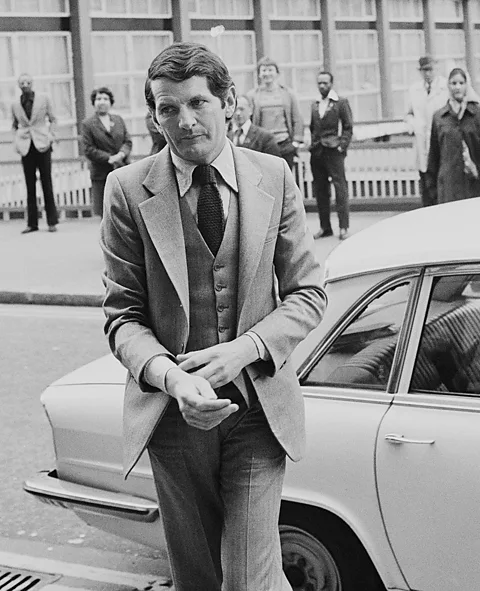
The story took yet another twist in October 1977 when the London Evening News ran the sensational headline, “I Was Hired to Kill Scott.” Fresh out of prison, Newton recanted his blackmail defence and was now claiming he was paid £5,000 as part of what the paper described as a “sinister conspiracy involving a leading Liberal supporter”. Nine more months of police investigation led to Thorpe and three associates being charged with conspiring to murder Scott. It was dubbed by the press “the trial of the century”. At Thorpe’s request, it was postponed for eight days so that he could fight for his parliamentary seat in the May 1979 general election. He was heavily defeated.
At the end of the trial, the judge delivered what BBC Panorama’s Tom Mangold described as “one of the most astonishingly partial summing-up speeches ever to a jury”. Mr Justice Cantley said that because the three main prosecution witnesses had struck lucrative deals for selling their stories to the press upon conviction, their testimonies had been tainted. Bessell, said the judge, was “a humbug” while Newton was “a buffoon, perjurer and almost certainly a fraud”. As for Scott, he was labelled “a crook, fraud, sponger, whiner and parasite”.
Getty Images
Norman Scott arriving at the Old Bailey in May 1979 for the trial of Liberal Party leader Jeremy Thorpe (Credit: Getty Images)
By contrast, Thorpe was “a national figure with a very distinguished public record”. In the judge’s summing up, skewered memorably by the comedian Peter Cook, he directed the jury that if there was any reasonable doubt that Thorpe planned to kill Scott, they must acquit. The verdict was not guilty. Speaking later with his steadfast wife Marion beside him, Thorpe said: “I have always maintained that I was innocent of the charges brought against me, and the verdict of the jury, after a prolonged and careful investigation by them, I regard as totally fair and a complete vindication.”
Following the trial, Scott retreated from the limelight. In 2022 at the age of 82, he released his autobiography, titled An Accidental Icon. As for Thorpe, he retired from public life while maintaining his innocence to the end. He died in 2014. In a Guardian interview in 2008, Thorpe reflected on the affair: “If it happened now, I think… the public would be kinder. Back then they were very troubled by it. It offended their set of values.”



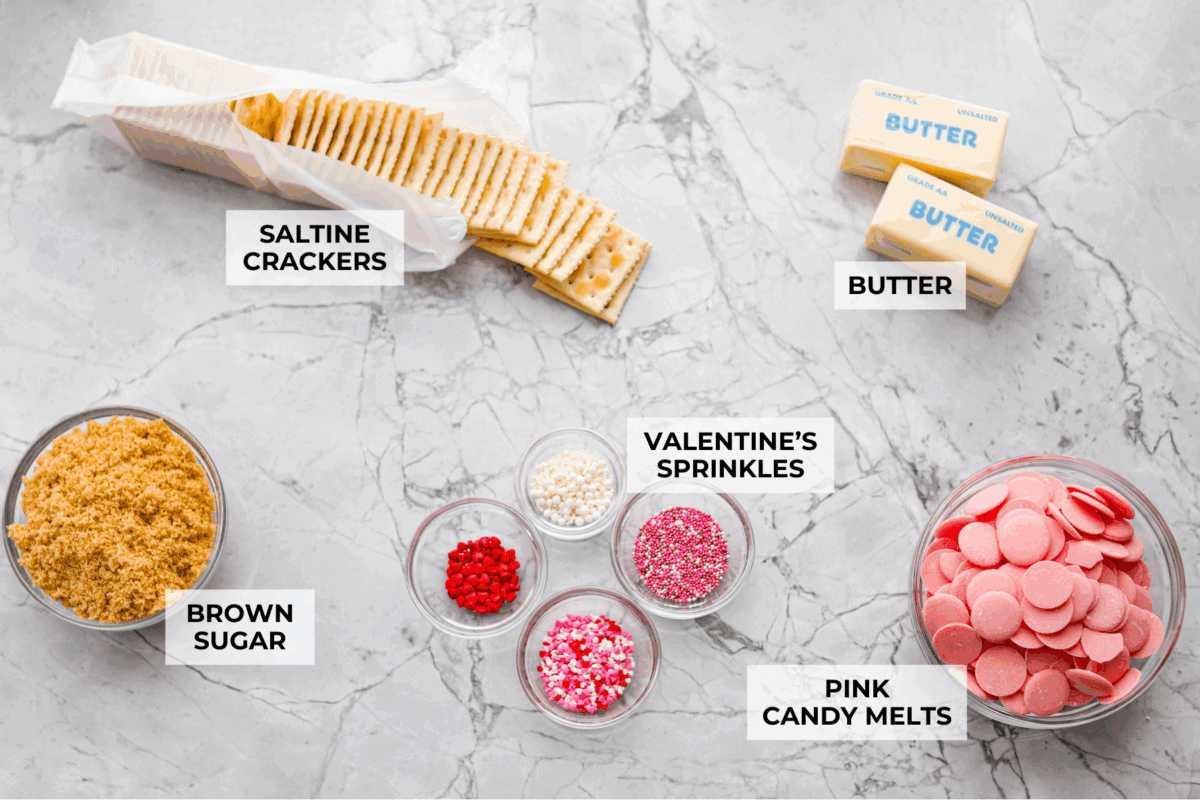







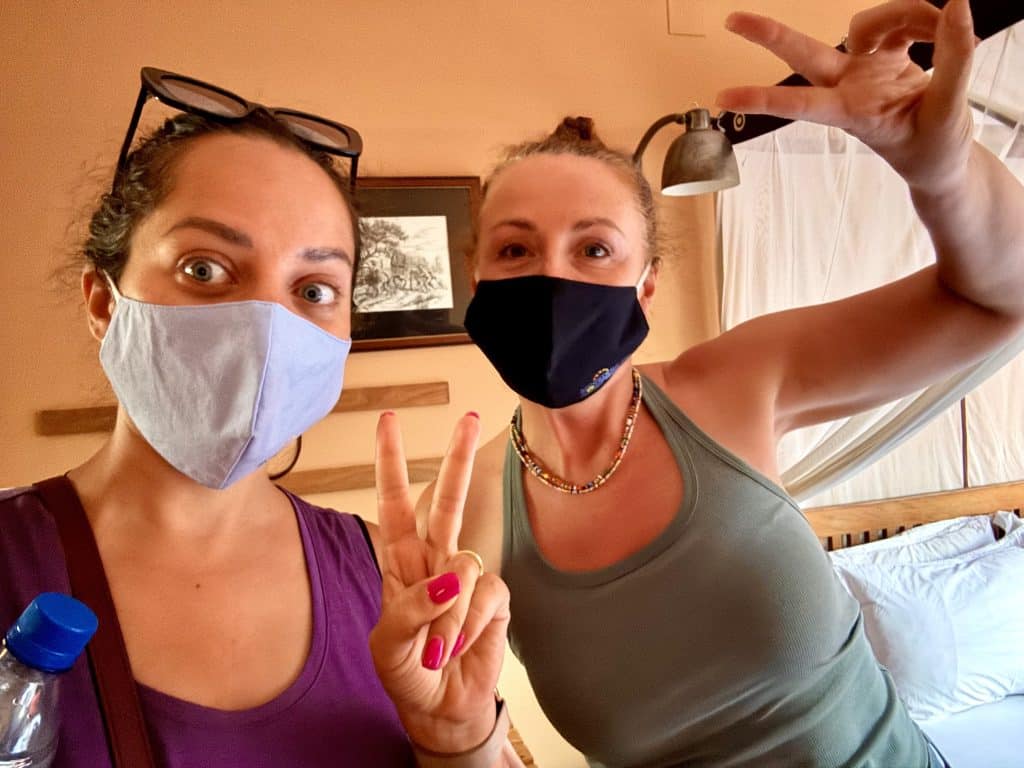


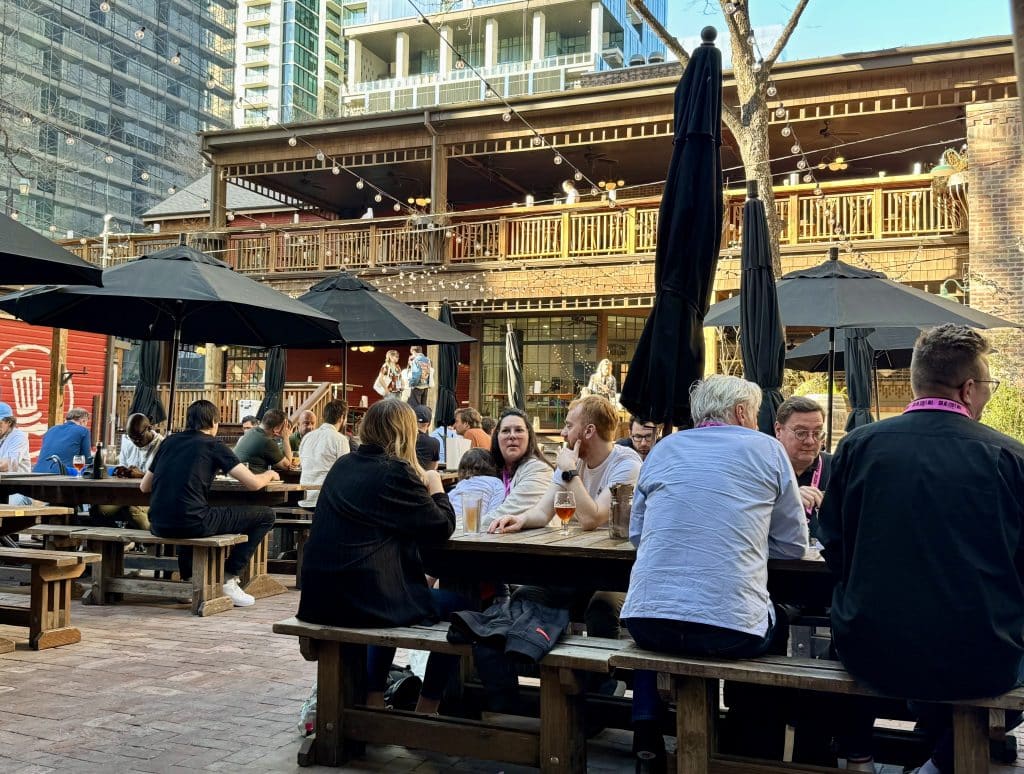


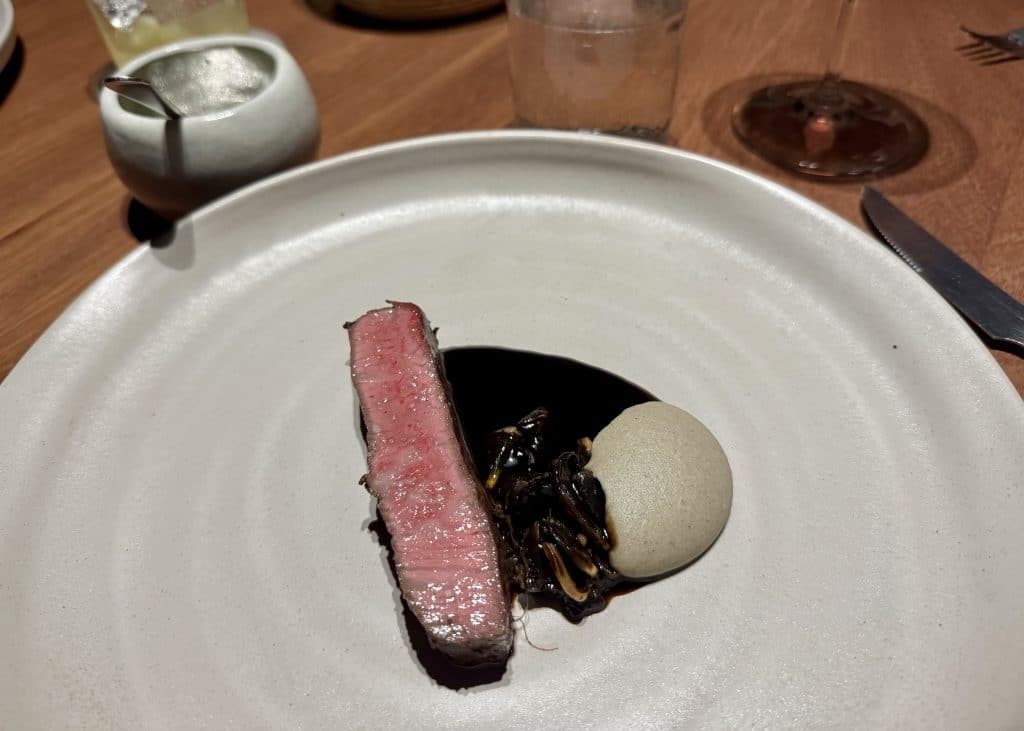
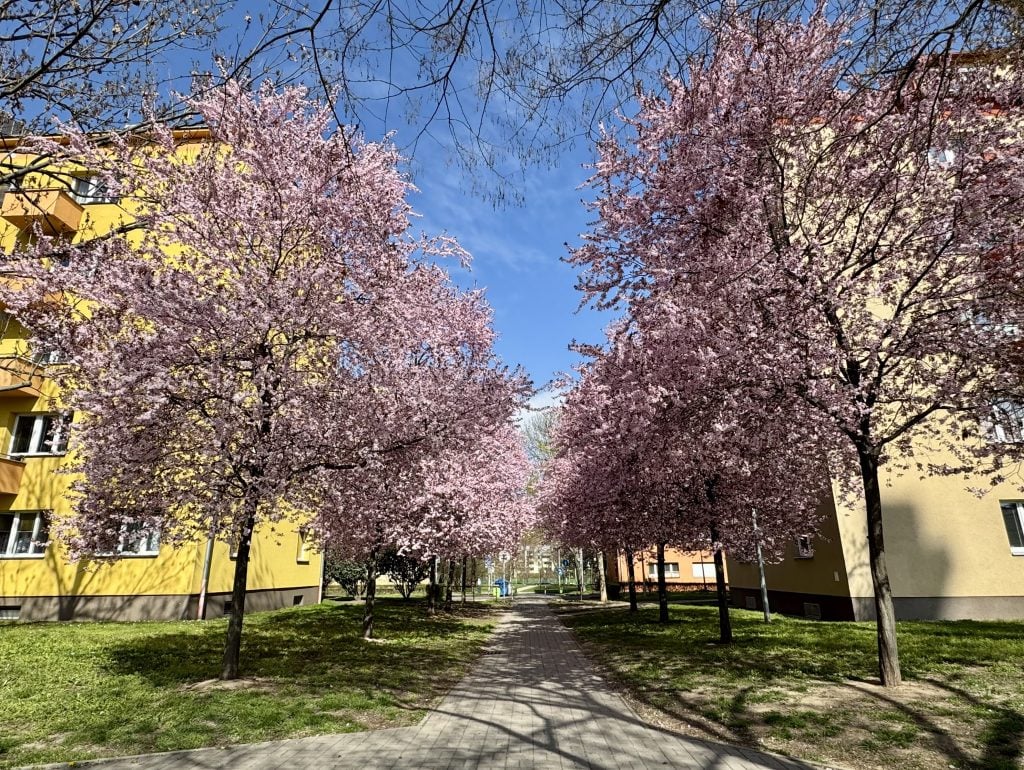





:max_bytes(150000):strip_icc():format(jpeg)/2012-r-xl-creamy-black-bean-dip-7c3bc3bead804fc6b1fe6cf40d0da392.jpg)