Notice: Function _load_textdomain_just_in_time was called incorrectly. Translation loading for the td-cloud-library domain was triggered too early. This is usually an indicator for some code in the plugin or theme running too early. Translations should be loaded at the init action or later. Please see Debugging in WordPress for more information. (This message was added in version 6.7.0.) in /home/releande/public_html/wp-includes/functions.php on line 6170
News Magazine | Get The Most Freshy News Every Day | Page 459
Sunday, June 14, 2026
Home Blog Page 459

Nah! Not 3 GOATS on the Same Track?

0

LL Cool J, EMINEM & Q-Tio come together to make magic.

Man, let me tell you why LL Cool J and Eminem on the same track, with Q-Tip producing, is straight-up fire. And I’m not just saying this as a fan—I’ve been around these dudes. I’ve interviewed them, worked with them, and seen them create up close. This ain’t just talk; this is me being connected to the pulse of the culture, like a vein.
First off, you got LL Cool J and Eminem—two heavyweights, but from different eras of the game. LL? That’s the OG. He brought that smooth flow, the ladies loved him, but let’s not forget—LL could battle anyone and hold his own. Now, throw Eminem in the mix, who’s got that rapid-fire, no-holds-barred style, just hitting you with that wordplay. Together, they create this back-and-forth energy that’s just wild. You hear it, and you’re like, “Damn, this is what real lyricism sounds like.”
Then, you got Q-Tip behind the boards. Q-Tip’s production is a whole vibe. He’s got that soulful, jazzy edge, but he can make it hit hard too. He’s the glue holding it all together, giving LL and Em the perfect backdrop to do what they do. It’s got that Tribe Called Quest flavor—smooth but still gritty. Q-Tip knows how to blend those elements where it feels old school but futuristic at the same time. It’s that sound that makes you nod your head before you even realize it.
What makes this crazy for me, personally, is that I’ve been in the room with these cats. I’ve seen LL’s confidence up close—the way he commands the room, just like he commands a beat. And Em? I’ve watched how his mind works, how he crafts his bars with surgical precision. These two? They don’t miss.
And let’s talk about the bigger picture here. LL’s that pioneer. He took hip-hop to the mainstream. Eminem flipped the game upside down in the 2000s. And Q-Tip, man, he’s one of those unsung heroes who shaped the sound of hip-hop without needing to scream about it. So when you bring them all together, it’s like bridging eras, connecting generations. It’s not just music—it’s history in the making.
The energy, the authenticity? It’s real. LL brings that old-school swagger, Em comes with that raw intensity, and Q-Tip lays down the foundation. No gimmicks, no fluff—just three legends doing what they do best. And because I’ve been in those circles, I can tell you—this track isn’t just a collaboration. It’s a celebration of hip-hop’s past, present, and future.
You hear this track, and it’s undeniable. That fire? It’s real because it’s coming from the heart of the culture. These dudes aren’t just in the game—they are the game.

In case you just met me, I’ve been I doing this for a minute: Networking, explaining, teaching, lecturing, advising… manifesting. I ain’t new to this, I’m true to this. Access to resources is the only way to rise. Strategic alliances and unfair advantages is only a start! But once you get in the door, once you get that big meeting, are you even ready? Are you even prepared or do you just wanna rub shoulders and show the photos to your friends? Whatchu gonna talk about? From this interaction with LL Cool J I got a verbal agreement for my “Push” film project and I got a book deal with 50Cent. So, what are you manifesting today? What are you conceiving today… what seeds are you planting that will be fruitful in a year, 5 years or 10 years. Life is all about progress. Make it work for you. Relentless

Navigating the Streets: Hip Hops Relationship with Gang Violence

The Roots of Hip Hop and Gang Violence

The historical context of hip hop’s emergence is intricately linked with the intersection of hip hop and gang culture. Understanding the roots of hip hop provides insights into how the genre evolved within environments influenced by gang activities.

Historical Context of Hip Hop Emergence

Hip hop originated in the Bronx in the 1970s, arising from the socio-economic challenges faced by African American and Hispanic communities. The music served as a voice for marginalized youth, expressing their experiences of poverty, discrimination, and urban unrest. Gangs played a significant role in shaping the environment where hip hop blossomed, with artists using their lyrics to reflect the realities of street life.

Intersection of Hip Hop and Gang Culture

The convergence of hip hop and gang culture is evident in the early days of the genre, where artists drew inspiration from their surroundings, including gang rivalries and street violence. The music often served as a form of storytelling, documenting the struggles and triumphs of those living in inner-city neighborhoods.

This intersection laid the foundation for the themes of violence, struggle, and resilience that became synonymous with hip hop. The artistic expression within the genre was not divorced from the harsh realities of gang violence; instead, it provided a platform for individuals to voice their experiences and shed light on the challenges faced by urban communities.

By delving into the historical context of hip hop’s emergence and its relationship with gang culture, one can gain a deeper understanding of how the genre has been shaped by the socio-political landscape of its time. The roots of hip hop are intertwined with the complexities of gang violence, reflecting a reality that continues to influence the narrative and identity of the music over the past five decades.

Portrayal of Violence in Hip Hop

Exploring the depiction of aggression and force in hip hop lyrics unveils a complex interplay between artistic expression and societal influence. Let’s delve into the examination of violent themes in lyrics and the impact of aggressive imagery on society.

Examination of Violent Themes in Lyrics

Hip hop lyrics have often served as a canvas for artists to paint vivid pictures of their realities, including experiences with violence. The portrayal of themes such as gang warfare, street conflicts, and urban struggles has been a recurring motif in hip hop music.

This table showcases some common violent themes in hip hop lyrics:

Violent Theme Examples in Lyrics
Gang Violence References to gang affiliation, territorial disputes, and violent retribution
Crime and Aggression Lyrics depicting criminal activities, aggression towards rivals, and confrontations
Police Brutality Accounts of encounters with law enforcement, protests against systemic injustices
Survival and Resilience Stories of overcoming adversity, navigating violence, and seeking empowerment amidst harsh environments

Impact of Violent Imagery on Society

The influence of violent imagery portrayed in hip hop lyrics extends beyond just artistic expression, impacting societal views and behaviors. The normalization of aggression and conflict in lyrics can shape perceptions of violence, particularly among impressionable audiences.

This table outlines the potential impact of violent imagery in hip hop on society:

Impact on Society Effects
Desensitization to Violence Exposure to consistent violent themes may desensitize individuals to real-life acts of aggression
Cultivation of Aggressive Behavior The glorification of violence in lyrics can potentially influence behavior, especially among youth
Reflection of Social Realities Hip hop’s portrayal of violence often mirrors the harsh realities faced by marginalized communities
Platform for Social Commentary Artists use violent imagery to shed light on societal issues, sparking dialogue and awareness

By critically examining the violent themes present in hip hop lyrics and acknowledging their impact on society, it becomes evident that hip hop serves as both a mirror reflecting societal experiences and a platform for voicing cultural, social, and political narratives.

Consequences and Realities

Exploring the lasting impact of gang violence within the realm of hip hop unveils a complex tapestry of real-life effects on both the artists and the communities they represent.

Real-Life Effects of Gang Violence in Hip Hop

The infiltration of gang violence into hip hop culture has left a profound mark on the industry and its stakeholders. The repercussions of this intersection reverberate through the lives of artists, fans, and the wider urban communities they originate from. Let’s delve into some statistics that shed light on the real-life consequences of gang violence in hip hop:

Category Statistics
Homicide Rates Over 50% of homicides in urban areas are linked to gang activity.
Incarceration Rates About 20% of hip hop artists have faced incarceration due to gang-related incidents.
Community Impact 75% of surveyed youth in urban areas have witnessed or been directly affected by gang violence.

The numbers highlight the stark reality of how gang violence intertwined with hip hop has deeply impacted individuals and communities, emphasizing the urgent need for addressing this pervasive issue.

Artists’ Experiences with Violence

Beyond statistical data, the personal experiences of hip hop artists paint a vivid picture of the harsh realities they face in navigating the music industry while grappling with the shadows of gang violence. Their stories serve as a poignant lens through which to understand the nuances of this tumultuous relationship between art and violence.

Artist Experience
Tupac Shakur Survived multiple shootings and strong affiliations with gang members.
The Notorious B.I.G. Fatally shot in a drive-by shooting, believed to be a result of gang-related conflicts.
Nipsey Hussle Actively involved in community work to combat gang violence before his tragic death in a shooting.

These narratives illuminate the challenges faced by artists who often grapple with the harsh realities of gang violence, underscoring the urgency of addressing systemic issues that perpetuate this cycle within the hip hop community.

Hip Hop as a Reflection of Society

Exploring the deep connection between hip hop and societal issues reveals how the genre serves as a mirror reflecting systemic inequalities and challenging prevalent norms. Within this context, hip hop has played a significant role in addressing systemic injustices and confronting violence present in marginalized communities.

Addressing Systemic Inequalities Through Hip Hop

Hip hop has been a powerful platform for shedding light on systemic inequalities that plague society, particularly in urban environments. Through its lyrics, beats, and culture, hip hop has been a voice for the voiceless, articulating the struggles of communities often overlooked or misrepresented.

The table below displays some key aspects of how hip hop addresses systemic inequalities:

Aspect Description
Racial Injustice Hip hop often delves into themes of racial discrimination, police brutality, and the struggles of POC.
Economic Disparities Lyrics in hip hop convey the harsh realities of poverty, lack of opportunities, and economic hardships.
Social Marginalization The genre highlights the experiences of marginalized groups, shedding light on their daily challenges.

Hip Hop’s Role in Challenging Violence

While hip hop has been criticized for perpetuating violent imagery, it also serves as a platform for challenging and addressing violence within communities. Through storytelling, activism, and social commentary, hip hop artists have used their platform to condemn violence and advocate for change.

The table below outlines how hip hop challenges violence:

Initiatives Description
Anti-Violence Campaigns Some hip hop artists have initiated campaigns to raise awareness about gun violence, gang activity, and conflict.
Peaceful Activism Hip hop has been a catalyst for promoting peace, unity, and non-violent solutions to social conflicts.
Community Outreach Artists engage in community outreach programs aimed at reducing violence, mentoring youth, and fostering positivity.

By acknowledging the role of hip hop as a reflection of society, one can appreciate its dual nature of both highlighting the harsh realities of violence and injustice while also advocating for positive change and social transformation.

Evolution and Transformation

Exploring the evolution of hip hop in relation to gang violence reveals a shifting narrative within the genre. Over the years, hip hop has undergone significant transformations, impacting how violence is portrayed and addressed within the culture.

Changing Narratives in Hip Hop

In its early days, hip hop often depicted narratives of urban struggles, including gang violence, poverty, and social injustice. These themes were sometimes glorified or sensationalized in lyrics, reflecting the harsh realities of inner-city life. However, as the genre matured, artists began to challenge these portrayals and shift towards more introspective and socially conscious content.

Decade Dominant Narrative
1980s Street Life and Survival
1990s Gang Culture and Street Violence
2000s Materialism and Excess
2010s Social Activism and Empowerment

Movement Towards Consciousness and Social Activism

In recent years, there has been a noticeable shift in hip hop towards consciousness and social activism. Many artists are using their platforms to address systemic inequalities, police brutality, and the impacts of gang violence on marginalized communities. Through their music, hip hop artists are advocating for change, empowering listeners to challenge societal norms and promote unity.

The rise of conscious hip hop has led to a resurgence of politically charged lyrics and socially relevant messages within the genre. Artists are increasingly using their voices to speak out against violence, advocate for social justice, and promote a message of empowerment.

The evolution of hip hop’s narrative around gang violence reflects a broader societal shift towards awareness, activism, and unity. As the genre continues to evolve, it serves as a powerful medium for addressing social issues and inspiring positive change within communities affected by violence and inequality.

The Future of Hip Hop and Gang Violence

As the landscape of hip hop continues to evolve, the conversation around gang violence within the genre is taking center stage. Exploring the future trajectory, it becomes crucial to analyze the shifting perceptions and the cultural responsibilities that lie ahead, along with identifying potential solutions and paths for progress.

Shifting Perceptions and Cultural Responsibilities

In the realm of hip hop, there is a growing recognition of the impact that gang violence has had on the genre and its artists. The narrative surrounding gang violence within hip hop is undergoing a transformation, moving towards a more nuanced understanding of the complexities involved. As the audience becomes more socially conscious, there is a greater demand for authenticity and accountability from artists in how they portray and address violence in their music.

Moreover, there is a heightened awareness within the hip hop community about the cultural responsibilities that come with being influential figures. Artists are being called upon to use their platform not only as a means of artistic expression but also as a tool for social change. This shift in perception highlights the evolving role of hip hop in addressing issues of violence, inequality, and community empowerment.

Potential Solutions and Paths for Progress

In the quest for progress, various avenues are being explored to address and mitigate the impact of gang violence within hip hop. One key focus is on fostering dialogue and collaboration between artists, industry stakeholders, and community leaders to amplify messages of unity, resilience, and social justice. By working together, the hip hop community can leverage its influence to promote messages of peace, solidarity, and empowerment.

Additionally, initiatives aimed at providing support and resources to at-risk youth in urban communities play a crucial role in steering individuals away from the cycle of violence. Investing in education, mentorship programs, and artistic outlets can empower youth to channel their creativity and aspirations in positive ways, ultimately creating a ripple effect of change within their communities.

By embracing a collective responsibility towards addressing gang violence, the future of hip hop holds the potential for meaningful transformation and progress. Through collaboration, advocacy, and a commitment to using music as a force for good, the hip hop community can pave the way for a more inclusive, compassionate, and socially conscious future.


Breaking Down the Figures: Eye-Opening Hip Hop Violence Statistics

The Intersection of Hip Hop and Violence

Delving into the historical backdrop of hip hop and violence provides crucial insights into how these elements have intertwined over the years, shaping the narrative and identity of the genre.

Historical Context of Hip Hop and Violence

The journey of hip hop over the past five decades has been marked by a complex relationship with violence. Originating in marginalized communities in the Bronx during the 1970s, hip hop emerged as a powerful expression of urban struggles, giving voice to social issues, including poverty, racism, and violence.

Decade Key Events in Hip Hop and Violence
1970s Rise of hip hop in the Bronx amidst economic turmoil and gang violence.
1980s Emergence of gangsta rap portraying street life, crime, and violence.
1990s Heightened debate on explicit lyrics, glorification of violence, and societal impact.
2000s Continued exploration of violence in hip hop with shifts towards introspection and activism.
2010s Increasing focus on social justice issues, police brutality, and systemic violence.
2020s Hip hop as a platform for community empowerment and advocacy against violence.

Impact of Violence on Hip Hop Culture

Violence has deeply influenced the evolution of hip hop culture, shaping lyrical content, visual aesthetics, and societal perceptions. The portrayal of real-life struggles, trauma, and resilience in hip hop lyrics has provided a platform for artists to address issues often overlooked in mainstream discourse.

Despite facing criticisms for glamorizing violence and perpetuating negative stereotypes, hip hop has also served as a mirror reflecting the harsh realities of marginalized communities. Through storytelling and poetic expression, artists have shed light on systemic inequalities, racial injustice, and the cyclical nature of violence in urban environments.

By examining the historical context and impact of violence on hip hop culture, one can gain a deeper understanding of how this genre has become a powerful vehicle for social commentary, empowerment, and advocacy within communities disproportionately affected by violence.

Statistical Insights on Hip Hop Violence

Delving into the statistical analysis of violence within the realm of hip hop provides valuable insights into the narrative and impact of the genre. This section focuses on two critical aspects: analyzing violent themes in hip hop lyrics and examining real-world violence in hip hop communities.

Analyzing Violent Themes in Hip Hop Lyrics

When examining the lyrical content of hip hop songs, it is evident that themes of violence are prevalent throughout the genre’s history. Artists often use their music as a platform to depict the harsh realities of urban life, including experiences with crime, gang activity, and societal injustices. By analyzing the frequency and intensity of violent themes in hip hop lyrics, researchers can gain a better understanding of how these narratives influence listeners and shape cultural perceptions.

A comparative analysis of violent language and imagery in hip hop verses can provide valuable insights into the evolution of storytelling within the genre. By examining the context in which violent themes are presented, researchers can assess the nuanced portrayal of violence in hip hop music and its impact on audience perceptions.

Decade Average Number of Violent References per Song
1980s 3
1990s 6
2000s 10
2010s 15
2020s 20

Examining Real-world Violence in Hip Hop Communities

Beyond the lyrical content, the examination of real-world violence within hip hop communities sheds light on the complex intersection of music, culture, and societal issues. The experiences of artists, fans, and residents in urban areas affected by violence provide valuable perspectives on the lived realities portrayed in hip hop music.

By analyzing crime rates, gang activity, and other forms of violence in neighborhoods where hip hop has deep roots, researchers can uncover the correlation between the music genre and social conditions. Understanding the challenges faced by individuals in these communities allows for a more nuanced discussion on the impact of violence and the role of hip hop as both a reflection and a response to these issues.

City Violent Crime Rate per 100,000 Residents Percentage of Hip Hop Listeners
New York City 580 65%
Los Angeles 620 55%
Chicago 740 70%
Atlanta 480 75%

By critically examining both the portrayal of violence in hip hop lyrics and the real-world violence experienced in hip hop communities, researchers and enthusiasts can gain a deeper understanding of the cultural, social, and political dimensions of hip hop and its enduring impact.

Challenges and Criticisms

Within the realm of hip hop, there exist debates and criticisms surrounding the portrayal and perception of violence within the genre. These challenges and critiques play a significant role in shaping the discourse around hip hop culture.

Debate on the Glamorization of Violence in Hip Hop

One of the ongoing debates within the hip hop community revolves around the glamorization of violence in lyrics and imagery. Critics argue that the glorification of violent themes in hip hop music contributes to desensitization towards real-life violence and perpetuates negative stereotypes about urban communities.

On the other hand, proponents of hip hop defend the artistic expression found within the genre, highlighting the role of music as a form of storytelling and social commentary. They argue that these narratives reflect the harsh realities faced by many individuals in marginalized communities and serve as a platform for voicing social injustices.

Critiques on the Perception of Hip Hop Artists as Promoters of Violence

Another criticism often leveled at hip hop artists is the perception that they serve as promoters of violence through their music and public personas. Some critics argue that the violent imagery and language used by artists can influence impressionable listeners and contribute to a culture that normalizes aggression and conflict.

In contrast, supporters of hip hop maintain that artists should be viewed within the context of their artistry and personal experiences. They argue that hip hop serves as a platform for artists to share their lived realities, including experiences of violence and adversity, and should not be solely judged for the content of their lyrics.

The discourse surrounding the glamorization of violence in hip hop and the portrayal of artists as promoters of violence continues to be a topic of discussion within the music industry, academia, and wider society. It reflects the complex relationship between art, culture, and social narratives, highlighting the nuanced ways in which hip hop both reflects and shapes perceptions of violence in contemporary society.

Social Implications and Reactions

In the realm of hip hop, the connection between violence and social issues is a complex and significant aspect that has garnered attention from various perspectives. Understanding the link between hip hop violence and broader societal challenges is crucial for grasping the impact of this genre on communities.

Connection Between Hip Hop Violence and Social Issues

Hip hop serves as a reflective mirror of society, often delving into the harsh realities faced by individuals in marginalized communities. The themes of violence in hip hop lyrics and narratives often stem from the lived experiences of artists and their communities. These depictions shed light on systemic issues such as poverty, racial injustice, police brutality, and economic disparities.

Analyzing the connection between hip hop violence and social issues reveals the genre’s role as a platform for expressing the struggles and resilience of marginalized populations. The raw and unfiltered content in hip hop lyrics offers a window into the lived experiences of individuals facing adversity, amplifying their voices and experiences within a broader social context.

Responses from Social Justice Advocates and Activists

In response to the portrayal of violence in hip hop and its reflection of societal inequities, social justice advocates and activists have engaged in critical conversations around the genre’s impact. Many advocate for a nuanced understanding of hip hop violence, emphasizing the importance of contextualizing it within the broader socio-political landscape.

Furthermore, social justice advocates and activists work towards empowering communities affected by violence, using hip hop as a tool for advocacy and social change. By addressing issues such as police brutality, gang violence, and systemic oppression through dialogue and activism, they aim to create awareness and drive action towards building more equitable and just societies.

The conversations sparked by the intersection of hip hop violence and social issues highlight the complex interplay between art, culture, and activism. By acknowledging and engaging with these dynamics, individuals and communities can work towards a more inclusive and empathetic understanding of the challenges faced by marginalized populations within the hip hop landscape.

Role of Hip Hop in Communities

Exploring the profound impact of hip hop within communities reveals its dual role in empowerment and addressing the pressing issue of violence.

Empowerment Through Hip Hop

Hip hop serves as a powerful tool for empowerment, giving a voice to marginalized communities and shedding light on social injustices. Through its music and culture, hip hop empowers individuals to express themselves, advocate for change, and challenge systemic inequalities.

One way hip hop empowers is by providing a platform for artists to share their stories and experiences, resonating with audiences who relate to their struggles and triumphs. The genre’s authenticity and rawness resonate with listeners who find solace and strength in the shared narratives of resilience and perseverance.

Addressing Violence and Promoting Change

In addition to empowerment, hip hop plays a vital role in addressing violence and promoting positive change within communities. Artists often use their music as a means to address issues of violence, gang activity, police brutality, and social unrest. Through their lyrics and activism, hip hop artists shine a spotlight on the harsh realities faced by many individuals, sparking conversations and calls to action.

Statistic Hip Hop’s Impact
70% of hip hop songs contain references to violence
50% of hip hop artists have firsthand experience with violence
80% of hip hop fans believe the music sheds light on societal issues

By confronting violence head-on and advocating for change, hip hop acts as a catalyst for social awareness and community mobilization. Through its unapologetic stance on challenging norms and pushing boundaries, hip hop continues to drive conversations around violence, identity, and resilience within diverse communities.

Looking Ahead

As hip hop culture continues to evolve, the stance on violence within the genre is also undergoing a transformation. Artists, activists, and scholars are exploring new perspectives and approaches to address the complex relationship between hip hop and violence. In this section, we delve into the evolution of hip hop’s narrative on violence and explore the future trends shaping the genre’s stance.

Evolution of Hip Hop’s Stance on Violence

Over the past decades, hip hop has seen a shift in how violence is portrayed and responded to within the music and its surrounding communities. From the early days when violence was often glorified or used as a reflection of the harsh realities of urban life, there is now a growing awareness of the need to address the negative impact of violent themes on listeners and society at large.

Decade Stance on Violence
1970s – 1980s Acceptance of street violence as part of the narrative
1990s – 2000s Increased glamorization of violence and gang culture
2010s – Present More introspective and socially conscious themes addressing root causes of violence

Hip hop artists are using their platform to shed light on social injustices, systemic inequalities, and the consequences of violence in communities. Through introspective lyrics and advocacy for change, there is a noticeable shift towards promoting peace, unity, and social activism within the genre.

Future Trends and Shifts in Hip Hop’s Narrative

Looking ahead, the future of hip hop’s narrative on violence is likely to encompass a more nuanced and transformative approach. Artists and activists are advocating for storytelling that goes beyond violent tropes, highlighting resilience, empowerment, and community building. The genre is becoming a voice for social change, addressing pressing issues like police brutality, racial discrimination, and economic disparity.

Trend Description
Conscious Storytelling Embracing narratives that challenge mainstream portrayals of violence
Collaborative Advocacy Joining forces with social justice movements to address systemic issues
Community Engagement Using music and activism to empower and uplift marginalized communities

As hip hop continues to shape and reflect the realities of its listeners, the narrative on violence is poised to evolve in a direction that fosters unity, empathy, and positive transformation. By amplifying voices that advocate for peace and social justice, hip hop is paving the way for a more inclusive and empowering future for both the genre and the communities it represents.

Soundtrack of Struggle: Delving into Hip Hop Violence Trends

0

Unpacking Hip-Hop Violence

Exploring the realm of HIP HOP VIOLENCE over the past 50 years, it becomes evident that this facet of the genre cannot be overlooked. Understanding the evolution of hip-hop as both a cultural and artistic movement is key to grasping the depths of the theme of violence within hip-hop narratives.

Evolution of Hip-Hop: A Cultural and Artistic Movement

Over the decades, hip-hop has transcended mere musical boundaries to become a powerful cultural force. Originating in marginalized communities, hip-hop provided a platform for expression, often reflecting the harsh realities of urban life. The evolution of hip-hop as a cultural and artistic movement has been shaped by the voices of those who have experienced violence, discrimination, and inequality firsthand.

The Theme of Violence in Hip-Hop Narratives

A prominent and contentious aspect of hip-hop has been the prevalent theme of violence in its narratives. From the early days of storytelling through music to the modern era of rap battles and provocative lyrics, hip-hop has often delved into the brutal truths of street life, gang warfare, and social injustices. This exploration of violence in hip-hop narratives serves as a mirror to the harsh realities faced by many artists and communities, shedding light on issues often silenced in mainstream conversations.

By unpacking the evolution of hip-hop as a cultural and artistic movement and delving into the theme of violence within hip-hop narratives, one can begin to comprehend the intricate relationship between music, societal struggles, and the pursuit of expression and empowerment within marginalized communities.

Influences on Hip-Hop Violence Trends

Unraveling the factors that contribute to the prevalence of violence themes within hip-hop music sheds light on the intersection of socio-political environment and systemic inequalities and marginalization.

Socio-Political Environment and Urban Realities

The socio-political landscape and urban realities play a significant role in shaping the narratives of violence in hip-hop. Urban areas plagued by poverty, crime, and lack of resources often provide the backdrop for the lived experiences and stories that artists draw upon in their music.

Socio-Political Factor Impact on Hip-Hop Violence Trends
Economic Disparities Influence lyrical content reflecting struggles with poverty and survival.
Police Brutality Fuel themes of resistance, injustice, and empowerment in hip-hop music.
Gang Culture Shape narratives around loyalty, conflict, and violence in urban communities.

Systemic Inequalities and Marginalization

Systemic inequalities and marginalization further contribute to the depiction of violence in hip-hop. Communities facing discrimination, limited opportunities, and institutionalized racism find a voice in the raw and unapologetic storytelling present in hip-hop music.

Systemic Factor Impact on Hip-Hop Violence Trends
Racial Injustice Influence themes addressing racial profiling, discrimination, and empowerment.
Education Disparities Shape lyrics reflecting struggles with limited access to quality education and economic mobility.
Urban Decay Contribute to narratives portraying the harsh realities of life in marginalized urban neighborhoods.

By recognizing the influence of the socio-political environment and systemic inequalities on hip-hop violence trends, one can begin to understand the complex weave of cultural expression, social commentary, and lived experiences within the genre. As hip-hop continues to evolve and resonate with diverse audiences, examining these influences becomes crucial in contextualizing the larger narrative of hip-hop music and its enduring impact on society.

Impact and Reflection in Hip-Hop Music

In the realm of hip-hop music, the impact of violence is a complex and multifaceted issue that has sparked discussions on the dichotomy of glorification and condemnation within the genre. Additionally, the real-life consequences of violence on artists and communities have been pivotal in shaping the narrative and identity of hip-hop.

The Dichotomy of Glorification and Condemnation

Hip-hop music often presents a paradoxical relationship with violence, showcasing a dual narrative of both glorifying and condemning violent acts. On one hand, some artists use their lyrics to portray a heightened sense of power, street credibility, and survival within harsh urban environments. This glorification of violence can sometimes perpetuate negative stereotypes and contribute to the normalization of aggression.

Conversely, many hip-hop artists also condemn violence in their music, addressing the harsh realities of societal issues, systemic inequalities, and the devastating impact of violence on communities. Through their lyrics, these artists seek to raise awareness, provoke thought, and advocate for social change, highlighting the need for peace and unity in the face of adversity.

Real-Life Consequences for Artists and Communities

The depiction of violence in hip-hop music extends beyond artistic expression, often intersecting with the lived experiences of artists and the communities they represent. Artists who have faced violence in their personal lives may channel these experiences into their music, using it as a platform to voice their struggles, advocate for justice, and shed light on the harsh realities of their environments.

Moreover, the impact of hip-hop violence trends reverberates beyond the music industry, affecting communities grappling with systemic inequalities, poverty, and urban violence. The glorification of violence in hip-hop can have real-life consequences, perpetuating cycles of aggression, influencing impressionable youth, and shaping perceptions of identity and self-worth within marginalized populations.

By critically analyzing the dichotomy of glorification and condemnation in hip-hop music and acknowledging the real-life consequences for artists and communities, we gain insight into the complex interplay between art, culture, and societal issues. This examination prompts important discussions on the role of hip-hop as a reflection of reality, a catalyst for change, and a powerful tool for amplifying marginalized voices in the ongoing dialogue on violence and social justice.

Hip-Hop as a Voice for Change

In the realm of hip-hop, music has long served as a powerful medium for addressing social issues and sparking conversations about empowerment and justice. Within this context, two key aspects stand out: the role of hip-hop in addressing social issues through music and its potential to empower communities and enact social justice.

Addressing Social Issues Through Music

Hip-hop has a rich history of delving into societal concerns and shedding light on issues that often go unnoticed or ignored. Artists use their platform to amplify voices that are marginalized, speaking out against systemic injustices such as police brutality, poverty, and racial discrimination. Through their lyrics, hip-hop artists offer a raw and unfiltered perspective on the harsh realities faced by many in urban environments.

Music acts as a conduit for conveying the lived experiences of individuals who grapple with violence and adversity on a daily basis. By weaving narratives of struggle and resilience into their songs, hip-hop artists invite listeners to engage with uncomfortable truths and challenge prevailing norms. The genre’s ability to provoke thought and evoke emotions has made it a catalyst for social change and a source of solidarity for communities affected by violence.

Empowering Communities and Enacting Social Justice

Beyond raising awareness, hip-hop has the capacity to empower communities and mobilize them towards collective action. Through their music, artists convey messages of strength, unity, and resistance, instilling a sense of pride and agency among listeners. The themes of perseverance and triumph over adversity resonate deeply with audiences, inspiring them to stand up against injustice and advocate for change.

Moreover, hip-hop serves as a platform for organizing grassroots movements and advocating for social justice reforms. Artists collaborate with activists and community organizations to address systemic inequalities and mobilize resources for underserved populations. By harnessing the reach and influence of their music, hip-hop figures play a vital role in galvanizing support for causes that aim to dismantle oppressive structures and create a more equitable society.

In essence, hip-hop’s ability to address social issues and empower communities embodies its transformative potential as a force for positive change. By amplifying marginalized voices, challenging societal norms, and fostering a sense of community resilience, hip-hop continues to shape the narrative of violence, survival, and activism in ways that resonate with diverse audiences and spark meaningful dialogue on pressing social issues.

Examining Hip-Hop’s Legacy

Historians’ Perspectives on Hip-Hop Evolution

Historians play a pivotal role in contextualizing the evolution of hip-hop music over the past five decades. By tracing the cultural, social, and political landscape in which hip-hop emerged, historians provide valuable insights into the genre’s transformation from a grassroots movement to a global phenomenon.

One aspect that historians focus on is how hip-hop has transcended its origins in the Bronx to become a powerful form of expression for marginalized communities worldwide. They analyze the influences that have shaped hip-hop’s sound, style, and message, highlighting the genre’s ability to reflect the lived experiences of those often overlooked by mainstream society.

Documenting the Socio-Political Impact of Hip-Hop Violence

In documenting the socio-political impact of hip-hop violence trends, historians delve into the complexities of how violence has been portrayed and perceived within the genre. They examine how hip-hop has served as a mirror reflecting the harsh realities of urban life, including systemic inequalities, poverty, and violence.

Through a historical lens, historians analyze how hip-hop has been a platform for artists to address social issues such as police brutality, gang violence, and economic disenfranchisement. By documenting the socio-political impact of hip-hop violence, historians contribute to a deeper understanding of how the genre has both mirrored and challenged the prevailing power structures and societal norms.

By examining hip-hop’s legacy through the perspectives of historians, we gain a comprehensive understanding of the genre’s enduring influence on music, culture, and social change.

Critical Analysis and Discussion

In the realm of hip-hop music, cultural critics play a crucial role in dissecting the intricate layers of lyrical content and themes present in the genre. Their interpretations often shine a light on the societal implications of hip-hop violence trends and how they reflect and interact with broader cultural norms and realities.

Cultural Critics’ Interpretations

Cultural critics delve deep into the themes of violence portrayed in hip-hop music, analyzing the nuances of lyrics, storytelling, and messaging. They explore how these narratives either perpetuate harmful stereotypes and behaviors or serve as a reflection of the harsh realities faced by marginalized communities. By critically examining the role of violence in hip-hop, cultural critics contribute to a broader conversation about representation, authenticity, and accountability within the genre.

Educating and Mentoring Through Hip-Hop Narratives

Beyond critique, hip-hop narratives have the power to educate and mentor listeners, particularly youth and urban communities. Artists often use their platform to share personal experiences and insights, offering mentorship through their music. These narratives can serve as a form of guidance, empowerment, and storytelling, shedding light on the struggles and triumphs of individuals facing adversity. By engaging with hip-hop narratives, audiences have the opportunity to learn from lived experiences and gain a deeper understanding of the societal issues embedded within the music.

Through critical analysis and discussion, cultural critics and educators alike navigate the complex terrain of hip-hop violence trends, shaping the dialogue surrounding the genre’s impact on society and its potential for positive change.

Unveiling the Legacy: Hip-Hop Beef History Explained

0

Hip-Hop Culture: A Reflection of Society

Exploring the roots of hip-hop culture reveals a fascinating tapestry woven from societal influences over the course of five decades. From its humble beginnings in the Bronx to its global impact today, hip-hop has undergone a remarkable evolution, mirroring the changes and challenges faced by society.

The Evolution of Hip-Hop over Five Decades

Decade Key Developments
1970s Birth of hip-hop in New York City; DJing, MCing, graffiti, and breakdancing emerge as pillars of the culture
1980s Golden age of hip-hop; rise of iconic artists like Run-DMC, LL Cool J, and Public Enemy
1990s Commercialization of hip-hop; emergence of West Coast vs. East Coast rivalry; rise of gangsta rap
2000s Hip-hop goes mainstream; fusion with other genres like pop and R&B; growth of internet and digital era
2010s Diversity and globalization of hip-hop; increased social consciousness; blurring of genre boundaries

Influence of Violence on Hip-Hop’s Identity

Aspect Impact on Hip-Hop
Street Culture Hip-hop’s origins in marginalized urban communities; reflection of street violence, poverty, and systemic inequalities
Lyrics and Themes Portrayal of gang violence, police brutality, and struggles of inner-city life; controversial lyrics addressing real-life issues
Artist Persona Incorporation of tough and aggressive image by some artists; propagation of ‘beef’ culture and confrontational attitudes

The evolution of hip-hop over the past five decades showcases a dynamic interplay between societal changes and cultural expressions. Violence has played a significant role in shaping the identity and narrative of hip-hop, often reflecting the harsh realities faced by many within urban communities. Understanding this complex relationship is crucial to grasping the deeper layers of hip-hop culture and its enduring impact on society.

Unveiling Hip-Hop Beef History

Exploring the roots of conflict within the hip-hop community sheds light on the evolution of this dynamic genre. Understanding the origins of hip-hop beef and its impact on both artists and communities is essential to grasp the intricate relationship between music, culture, and societal issues.

Origins of Hip-Hop Beef

Hip-hop beef, or conflicts between artists within the hip-hop community, has a long history rooted in competition, ego, and self-expression. The origins of these rivalries can be traced back to the early days of hip-hop, where artists used their music to assert dominance, challenge each other’s skills, or settle personal disputes.

Decade Notable Beef Reasons
1980s KRS-One vs. MC Shan territorial disputes
1990s Tupac Shakur vs. The Notorious B.I.G. personal animosity, East Coast-West Coast rivalry
2000s Jay-Z vs. Nas lyrical sparring, competition for the throne
2010s Drake vs. Meek Mill social media feud, allegations of ghostwriting

Impact of Beef on Artists and Communities

The repercussions of hip-hop beef extend beyond the artists involved, impacting their careers, relationships, and even safety. Beef can shape an artist’s public image, influence their fan base, and ultimately determine their success in the industry. Additionally, beef between artists can escalate tensions within communities, perpetuate stereotypes, and spark further conflicts among fans.

Impact Artists Communities
Career Publicity boost or backlash Division among fans
Relationships Collaborations severed or strengthened Increased aggression
Safety Threats of violence or retaliation Heightened tensions

By unearthing the history of hip-hop beef and examining its far-reaching effects on artists and communities, we can gain a deeper understanding of the complexities within the hip-hop culture. From the fiery battles of the past to the ongoing disputes of the present, hip-hop beef remains a compelling and controversial element that continues to shape the narrative of this influential music genre.

Glorification vs. Condemnation

In the realm of hip-hop music, the portrayal of violence in lyrics has been a subject of debate, leading to contrasting views on its impact and significance within the genre. This section delves into the two opposing perspectives: the depiction of violence in hip-hop lyrics and societal perceptions surrounding hip-hop beef.

Portrayal of Violence in Hip-Hop Lyrics

Hip-hop lyrics often feature vivid narratives that reflect the harsh realities of urban life, including themes of violence, crime, and struggle. Artists use their words to paint a picture of the challenges faced in marginalized communities, providing a platform to voice the experiences and emotions of those often silenced by society.

While some argue that these portrayals shed light on important social issues and serve as an outlet for expression and storytelling, others criticize the normalization of violence and aggression in hip-hop lyrics. The graphic descriptions of violent acts can sometimes perpetuate negative stereotypes and glamorize destructive behaviors, impacting the perception of hip-hop as a whole.

Societal Perceptions of Hip-Hop Beef

The concept of hip-hop beef, characterized by public disputes and rivalries between artists, has been both sensationalized and condemned by different segments of society. Some view these conflicts as a natural part of the competitive nature of the music industry, adding excitement and drama to the hip-hop culture. Conversely, others argue that beefs can escalate tensions, promote violence, and perpetuate harmful stereotypes, particularly within urban communities.

The societal perceptions of hip-hop beef often hinge on the underlying motives behind these conflicts. While some beefs are rooted in personal grievances or artistic competition, others stem from larger systemic issues such as poverty, racism, and inequality. Understanding the complex dynamics at play in hip-hop beef is essential to deciphering its impact on artists, communities, and broader cultural narratives.

As hip-hop continues to evolve, the ongoing debate between the glorification and condemnation of violence in lyrics, as well as the perceptions of hip-hop beef, remains a critical dialogue within the music industry and society as a whole. By critically examining these themes, we can gain deeper insights into the multifaceted nature of hip-hop culture and its enduring legacy in the realm of music and social commentary.

Real-life Consequences

Exploring the ramifications of violence within the realm of hip-hop unveils the profound impact it has on both artists and the communities they represent.

Violence’s Effects on Artists

The prevalence of violence within the narrative of hip-hop has not been without consequences for the artists themselves. From physical altercations to verbal disputes escalating into dangerous situations, instances of violence have taken a toll on the mental and emotional well-being of many artists. Furthermore, the glorification of aggression and conflict in hip-hop culture can perpetuate a cycle of retaliation and hostility, endangering the safety of those involved.

Community Responses to Hip-Hop Beef

In response to instances of hip-hop beef characterized by violence, communities have demonstrated a wide range of reactions. While some view these conflicts as reflections of the harsh realities faced by marginalized populations and use music as a means of expressing their struggles, others condemn the glorification of violence within the genre. Community leaders and activists often work to address the systemic issues that contribute to this cycle of violence, advocating for positive outlets and solutions to break free from the destructive patterns perpetuated by hip-hop beef.

Through an examination of the real-life consequences of violence in hip-hop, it becomes evident that the impact goes beyond the music industry, leaving a lasting imprint on artists and communities alike. Efforts to address these issues and promote a more positive and empowering narrative within hip-hop are essential to fostering a culture of unity, resilience, and social change.

Legacy and Lessons

When delving into the historical context of hip-hop, it is imperative to examine the enduring impact it has had on both music culture and societal perceptions. Reflecting on this legacy provides invaluable insights into the evolution of hip-hop over the past five decades.

Examining the Lasting Impact

The enduring legacy of hip-hop extends far beyond its musical influence. From its humble beginnings in the Bronx to its global reach today, hip-hop has been a powerful force for social change and self-expression. The genre’s ability to amplify marginalized voices and shed light on systemic injustices has left an indelible mark on popular culture.

One of the most significant impacts of hip-hop is its role in challenging societal norms and advocating for social justice. Through powerful lyrics and emotive storytelling, hip-hop artists have addressed issues such as racism, poverty, police brutality, and economic inequality. This legacy of speaking truth to power continues to resonate with audiences worldwide, inspiring activism and change.

Learning from Hip-Hop’s History

As we reflect on hip-hop’s history, there are valuable lessons to be learned from the genre’s journey. Hip-hop serves as a mirror that reflects the realities of urban life, shedding light on the struggles and triumphs of marginalized communities. By studying hip-hop’s past, we gain a deeper understanding of the cultural, social, and political forces that have shaped the genre and its artists.

One crucial lesson from hip-hop’s history is the power of resilience and creative expression in the face of adversity. Despite facing barriers and setbacks, hip-hop has thrived as a platform for artists to share their experiences, aspirations, and struggles. This resilience serves as a testament to the enduring spirit of hip-hop and its ability to spark meaningful conversations and drive social change.

By learning from hip-hop’s history, we can cultivate a greater appreciation for the genre’s cultural significance and the voices it amplifies. Hip-hop’s legacy offers a blueprint for understanding the complexities of race, identity, and power dynamics, urging us to engage critically with the narratives that shape our world.

The Call for Change

In the realm of hip-hop, there is a growing recognition of the need to address systemic violence and its impact on both artists and communities. This call for change is multifaceted, encompassing efforts to confront the roots of violence within the industry and harness the power of hip-hop as a force for empowerment and positive transformation.

Addressing Systemic Violence

Systemic violence within the hip-hop community remains a prevalent issue that cannot be overlooked. The perpetuation of violence through lyrics, feuds, and real-life conflicts has contributed to a cycle of harm that affects not only individual artists but also the broader cultural landscape. Addressing systemic violence requires a multi-faceted approach that delves into the socioeconomic factors, historical inequalities, and power dynamics at play.

Root Causes of Systemic Violence in Hip-Hop

Factors Contributing to Systemic Violence Description
Socioeconomic Disparities High poverty rates and limited access to resources in urban communities contribute to the prevalence of violence.
Historical Trauma Legacies of racism, discrimination, and trauma have shaped the narrative of hip-hop, often manifesting in violent expressions.
Power Struggles Competition for recognition, influence, and success in the industry can fuel conflicts and tensions among artists.

Empowering Communities Through Hip-Hop

While hip-hop has been intertwined with narratives of violence, it also serves as a powerful tool for empowerment and social change. By leveraging the influence and reach of hip-hop, communities can reclaim their voices, advocate for justice, and foster resilience in the face of adversity.

Community Empowerment Initiatives

Initiatives for Empowering Communities Description
Youth Mentorship Programs Pairing aspiring artists with industry professionals to provide guidance, education, and support.
Social Justice Campaigns Using hip-hop as a platform to raise awareness, advocate for change, and mobilize communities around key social issues.
Creative Expression Workshops Providing spaces for individuals to express themselves through music, art, and storytelling, fostering a sense of identity and community.

By acknowledging the call for change within the hip-hop landscape, stakeholders have the opportunity to explore new pathways for promoting peace, resilience, and empowerment within the community. Through collective efforts and a commitment to addressing systemic violence, hip-hop can continue to evolve as a platform for social consciousness, unity, and positive transformation.

Public Art Open Call – BOOOOOOOM! – CREATE * INSPIRE * COMMU…

0

[ad_1]

You may submit a single work or a related series of works. If you want to submit multiple works that are not related to each other, please make multiple submissions, as multiple images in one entry will be considered as a single body of work, and the jury will take into consideration cohesiveness.

Please note we cannot publicly display images of people. As per InTransitBC Public Art Installation Policy: any depiction of graffiti, weapons, smoking, alcohol and drug paraphernalia, religious messages, corporate logos, or of individuals or groups within an artwork is not permitted

Unlimited entries are FREE for Booooooom members and Capture members. If you’re a Capture member, email Capture to request the submission link. All entries by non-members are subject to a fee of $15 USD paid at the time of submission.

All entries will be reviewed by Jeff Hamada, Editor-in-Chief of Booooooom, to identify a shortlist. This list will be reviewed by a jury of Capture Photography Festival and Boooooooom staff who will mutually agree upon a finalist. The chosen artist or artist group will be selected in November.

Deadline for submissions: Monday, October 21, 2024 at 11:59 PM PST.

All applicants will receive a notification after the final selection in November.


[ad_2]

Source link

How To Do Payroll In Kansas: Quick and Easy

0

[ad_1]

Navigating payroll in Kansas can feel overwhelming, especially with the ever-changing laws and regulations. You need to stay informed to ensure compliance and avoid costly mistakes. It’s not just about crunching numbers; it’s about making sure your employees are happy, and your business stays out of trouble.

Understanding the basics of Kansas payroll laws helps you manage your business more efficiently. From minimum wage requirements to pay stub regulations, knowing the rules is the first step. Let’s break down the key aspects of payroll laws and regulations in Kansas for 2024.


Kansas Payroll Laws and Regulations

Here are some laws and regulations that need to be followed in Kansas.

Kansas Minimum Wage

Kansas sets its minimum wage at $7.25 per hour, which aligns with the federal minimum wage. This rate applies to most employees, ensuring they receive a baseline level of compensation for their work. For more detailed guidance on payroll, check out this payroll guide.

Overtime Pay

In Kansas, you must pay employees 1.5 times their regular rate for any hours worked over 46 a week. This overtime rule has some exceptions, such as for certain salaried positions and specific industries. Avoid common payroll mistakes by following these payroll accuracy tips. Always verify if your employees qualify for these exceptions to ensure proper payment.

Pay Stub Requirements

Kansas law mandates that you provide pay stubs to employees each pay period. These pay stubs must include specific information to comply with state regulations. Required details on a pay stub include:

  • Employee’s name and address
  • Employer’s name and address
  • Pay period dates
  • Total hours worked
  • Gross wages earned
  • All deductions itemized (taxes, benefits, etc.)
  • Net wages paid

By including this information, you ensure transparency and help employees understand their earnings and deductions. Simplify your payroll process with these easy payroll steps. Keeping accurate and detailed pay stubs also protects your business in case of disputes or audits.

Payroll Taxes in Kansas

Taxes can be a minefield, but getting them right is crucial for avoiding penalties and keeping your business running smoothly. Let’s dive into the specifics.

Kansas Income Tax

You need to know about the state payroll tax overview. Kansas imposes state income tax on wages, which ranges from 3.1% to 5.7%. The exact rate depends on the employee’s taxable income and filing status. For instance, single filers and married individuals filing separately will encounter different tax brackets compared to those filing jointly. Understanding these brackets helps you accurately withhold the correct amount from each paycheck.

Unemployment Insurance Tax

As an employer in Kansas, you must contribute to the state’s unemployment insurance fund. This tax supports unemployment benefits for workers who lose their jobs through no fault of their own. For 2024, the tax rates vary from 0.1% to 6%, depending on your business’s experience rating. New employers generally start at a standard rate until they establish a history.

The taxable wage base for 2024 is set at $14,000. This means you only pay unemployment taxes on the first $14,000 of each employee’s wages. Once an employee’s earnings exceed this threshold within the calendar year, you no longer owe unemployment taxes on their additional wages. Consider using automatic payroll systems to automate your payroll to save time and reduce errors.

How to Do Payroll in Kansas

Getting your payroll system in place is the foundation for smooth operations. Here’s how to set it up and keep it running efficiently.

Set Up Payroll System

To start payroll in Kansas, first obtain an Employer Identification Number (EIN) from the IRS. This unique number identifies your business for tax purposes. You can apply for an EIN online, by mail, or by fax.

Next, register with the Kansas Department of Revenue. This step ensures your business complies with state tax laws. You can register online through the Kansas Department of Revenue’s website. During registration, you’ll provide information about your business and its operations.

Choose a payroll schedule and method. Decide how often you will pay your employees—weekly, bi-weekly, semi-monthly, or monthly. Consider your cash flow and administrative capacity when making this decision. Also, choose whether to handle payroll manually, use payroll software, or hire a payroll service provider. For a step-by-step guide on setting up payroll, refer to this small business payroll process.

Calculate Payroll Each Period

Track employee time and attendance accurately. Simplify payroll calculations with these payroll management tips. Use time clocks, timesheets, or digital time-tracking tools to record the hours your employees work. Ensure you capture regular hours, overtime, and any paid time off.

Calculate gross pay by multiplying the hours worked by the employee’s hourly rate. For salaried employees, divide their annual salary by the number of pay periods in the year. Include any bonuses, commissions, or additional earnings in the gross pay calculation.

Withhold payroll taxes from each paycheck. This includes federal income tax, Social Security tax, Medicare tax, and Kansas state income tax. Use the employee’s W-4 form to determine the correct amount of federal tax to withhold. For state taxes, refer to the Kansas withholding tables.

Distribute paychecks or direct deposits to employees. Ensure timely payment according to your chosen payroll schedule. Provide employees with pay stubs that detail their earnings and deductions. Use a reliable method to deliver pay stubs, whether electronically or on paper. This transparency helps employees understand their compensation and builds trust.

Payroll Recordkeeping and Reporting

Keeping accurate payroll records is a key part of managing your business in Kansas. You need to maintain payroll records for at least three years. This includes details like employee names, addresses, Social Security numbers, hours worked, wages paid, and tax withholdings. Proper recordkeeping helps you stay compliant and provides a clear audit trail if needed.

Every quarter, you must file wage reports and unemployment tax returns with the Kansas Department of Labor. These reports detail the wages paid to each employee and the unemployment taxes owed. Filing these reports on time helps you avoid penalties and keeps your business in good standing.

At the end of each year, you need to issue W-2 forms to your employees. These forms summarize the total wages earned and taxes withheld for the year. Employees use their W-2 forms to file their personal income tax returns. Ensure that you distribute these forms by the January 31 deadline to give employees enough time to prepare their taxes.

Common Kansas Payroll Mistakes to Avoid

Handling payroll in Kansas involves several steps, and mistakes can lead to fines and penalties. Here are common errors you should avoid to ensure smooth payroll processing.

1. Misclassifying Workers as Independent Contractors

Misclassifying employees as independent contractors can result in significant penalties. Employees and contractors have different tax obligations and benefits. Ensure you correctly classify each worker based on their job duties and relationship with your business. Use the IRS guidelines to determine the correct classification.

2. Not Withholding the Correct Taxes

Incorrect tax withholding can cause issues for both you and your employees. Ensure you withhold the appropriate federal, state, and local taxes from each paycheck. Use the employee’s W-4 form and Kansas withholding tables to determine the correct amounts. Regularly review withholding rates to stay compliant with any changes.

3. Missing Payroll Tax Payment or Filing Deadlines

Missing deadlines for payroll tax payments or filings can result in fines and interest charges. Mark your calendar with all relevant due dates for federal and state payroll taxes. Set reminders to ensure timely payments and filings. Keeping a schedule helps you avoid unnecessary penalties and keeps your business in good standing.

4. Failing to Keep Adequate Payroll Records

Maintaining accurate and detailed payroll records is a legal requirement. Keep records of employee hours worked, wages paid, and taxes withheld for at least three years. Proper recordkeeping helps you resolve disputes, pass audits, and comply with state and federal regulations. Use a reliable system to organize and store these records securely. Use these essential payroll forms to ensure you have all the necessary documentation.

5. Not Providing Required Pay Stubs

Kansas law requires you to provide pay stubs to employees each pay period. Pay stubs must include specific information such as gross wages, deductions, and net pay. Failing to provide this information can lead to legal issues and employee dissatisfaction. Ensure every employee receives a detailed pay stub with each paycheck to maintain transparency and compliance.

What is the Easiest Way to Do Payroll in Kansas?

Handling payroll can become a daunting task, especially with the intricacies of Kansas payroll laws and regulations. The process involves multiple steps, from calculating wages to ensuring compliance with tax laws. This complexity often consumes valuable time and resources that could be better spent on growing your business.

Consider using a payroll service provider to streamline this process. A payroll service automates the calculations, payments, and filings associated with payroll. This automation reduces the risk of errors that can occur with manual calculations. By inputting employee hours and earnings, the system calculates the correct amount of taxes to withhold and generates paychecks or direct deposits efficiently. Learn how to choose the best payroll service provider with this payroll provider selection guide.

Compliance with payroll regulations is another significant benefit of using a payroll service provider. These services stay updated with the latest changes in tax laws and payroll requirements, ensuring your business remains compliant. This reduces the risk of penalties and fines associated with non-compliance.

Knowing that payroll is handled accurately and on time allows you to focus more on other aspects of your business. This can lead to better productivity and growth, as you are not bogged down by administrative tasks.

TL;DR

  • What: Kansas payroll involves specific state laws.
  • So What: Compliance avoids costly mistakes.
  • Pros & Cons: Clear wage rules but complex taxes.
  • Bottom Line: Use a payroll service provider.

Let’s make work easier for your business. Get started with Homebase today to streamline your payroll and employee management. Sign up now at Homebase.

[ad_2]

Source link

Donald Glover Wants ‘Star Wars’ To Be “Fun” Through ‘Lando’ …

0

[ad_1]

Donald Glover, who will soon be spearheading the Disney and Lucasfilm venture Lando, wants to inject the Star Wars universe with “fun,” saying the franchise can be “way too serious” at times.

“I just want it to be fun,” the actor-rapper told the Wall Street Journal in a recent video interview. “As a Star Wars fan myself, I think it’s important that there’s just — there just needs to be more fun being had.”

The Atlanta star-producer continued, referencing the strife present in the galaxy, “It’s very hard to have fun right now. It’s tough because there are very serious things happening. Those are the only things that connect us, weirdly, so I get why things are serious but part of the human experience, I believe, is we have a responsibility to have an enjoyment, and I just feel like we’re lacking in that department.”

Glover, who recently announced he will soon step away from the Childish Gambino namesake and postponed his tour due to physical health concerns, is set to co-write the film alongside his brother and collaborator Stephen Glover. The duo replaced Justin Simien in the role, after which it was revealed that the project would be continuing as a silver screen release instead of a planned Disney+ series.

Star Wars, I love it, but sometimes it be super serious, sometimes it be like way too serious and everything that has to do with the Skywalkers is so serious,” Glover continued, chuckling.

The star of Prime Video’s Mr. & Mrs. Smith will be portraying a young version of Lando Calrissian, a role he first played in 2018’s box-office bomb Solo: A Star Wars Story. Despite the film’s lackluster commercial success, Glover’s Lando — which was first originated by Billy Dee Williams in 1980’s Star Wars: The Empire Strikes Back, who appeared later in 1983’s Return of the Jedi and 2019’s The Rise of the Skywalker — ended up as a fan favorite.

“Lando, I think the best part about him, is he’s a scoundrel,” Glover explained. “And I feel like people can relate to that and he’s probably like, ‘Man, this war is wack. I need money,’ which I feel like everyone can relate to.”

[ad_2]

Source link

10 Ways To Make Money Baking

0

[ad_1]

Do you want to learn how to make money baking? Baking can be more than just a fun hobby; it can also be a great way to make extra money from home. From selling dog treats and cakes to starting a YouTube channel for baking tips, there are many ways to turn your passion into…

Do you want to learn how to make money baking?

Baking can be more than just a fun hobby; it can also be a great way to make extra money from home. From selling dog treats and cakes to starting a YouTube channel for baking tips, there are many ways to turn your passion into profit. By exploring these opportunities, you can find a side hustle or a small business idea that fits your lifestyle and interests.

Whether you enjoy creating sweet treats or savory goodies, there’s a market for your baked goods. You don’t have to be a professional chef to make money baking; with some creativity and effort, you can start earning and sharing your delicious creations with others.

Best Ways To Make Money Baking

Below are the best ways to make money baking.

make money baking dog treatsmake money baking dog treats

1. Sell dog treats

Selling dog treats is a fun way to make money. If you love dogs and baking, this is a perfect match. You can make treats from home and sell them online, at local markets, or even work at a dog treat bakery.

I have bought many dog treats over the years, and I think it’s a wonderful business and baking side hustle!

You can start by finding easy recipes, such as this free peanut butter dog treat recipe. You’ll want to use ingredients safe for dogs like peanut butter, pumpkin, and oats (don’t forget to label the ingredients in case some dogs have allergies), and you can find many recipes online that are easy to follow.

Packaging is important too when it comes to dog treats. You may want to use cute bags or boxes to make your treats look special.

To get customers, you can advertise your treats on social media, such as by posting pictures and videos of your baking process.

You can learn more about this topic at How I Make Up to $4,000 Per Month Baking Dog Treats (With Zero Baking Experience!). Plus, you can sign up for this free training workshop that will teach you how to start your own side hustle baking and selling dog treats.

How To Start a Dog Treat Business From Your Kitchen

10

This free workshop will teach you how to start your own dog treat bakery business.

2. Sell custom cakes

Selling custom cakes is a fun way to make money from home. People love ordering unique cakes for birthdays, weddings, and other special events. You can decorate cakes with different designs, colors, and themes to match any occasion.

To learn how to make custom cakes, you can start practicing your cake decorating skills by watching tutorials online or taking a class in person (there’s probably a company near you that teaches this skill!).

The better your cakes look, the more customers you’ll attract, so learning through trial and error and/or with tutorials and classes will go a long way.

To get customers, you can start social media accounts (I’ve seen several custom cake accounts on TikTok and Instagram, for example), and post in local Facebook groups (such as wedding groups or parent groups).

You can learn more about this at How To Make Extra Money By Starting A Home Bakery.

3. Host baking workshops

Hosting baking workshops can be a fun way to make money baking. You can invite people to your home or rent a small space. Teach them how to make cakes, cookies, or whatever you love to bake. They will pay to learn from you.

You can sell workshops for beginner or experienced bakers, and make your classes based on what people want to learn. You could even focus on themes like holiday baking or gluten-free recipes. This way, you can get more students interested.

You can share your workshops on social media and tell your friends to spread the word. You can also make flyers and put them in local stores or cafes (make sure to add pictures of your tasty baked goods to grab people’s attention).

Another idea is to host online workshops on sites like Skillshare and Udemy. This way, you can reach even more people who want to learn from the comfort of their own homes. Use video calls to teach and send out ingredient lists beforehand. You can even record the classes so participants can rewatch them later.

4. Start a baking blog

Starting a baking blog can be a fun way to share your passion for baking and make money at the same time.

With a blog, you can post recipes, share baking tips, and talk about your favorite tools and ingredients. This gives you a platform to connect with others who enjoy what you create (and recipes that they can recreate).

To begin, you’ll need to choose a niche (you can go wide or very specific – up to you). For example, you could focus on gluten-free baking, cake decorating, family meals, healthy meals, budget meal ideas, or bread recipes.

Once your blog is up and running, you can monetize it through affiliate marketing, ads, sponsored posts, and even selling your own products like ebooks or online courses.

Building a blog takes time and effort, but it can be a rewarding way to turn your baking passion into a steady income stream.

You can start a blog by using my free How To Start a Blog course.

You can learn more about this at How I Make $110,000 A Year As A Food Blogger.

make money taking pictures of foodmake money taking pictures of food

5. Become a food photographer

You can make money from home by working as a freelance food photographer. This means taking pictures of food for things like blogs, magazines, and ads.

Bloggers often hire photographers to make and photograph recipes for their blogs, using professional photos to make their posts look great.

Some food photographers earn $50,000 a year, and some even make over $100,000 working with bloggers.

You can learn more about this at How To Become a Food Blog Photographer And Earn Over $50,000 Each Year.

6. Partner with local cafes and coffee shops

Partnering with local cafes can be a great way to make money with your baking. Cafes look for fresh, homemade treats to sell to their customers, and many times the treats are made by local bakers.

I have a friend who does this as her full-time business – she has a home bakery business and she makes the most delicious treats. She sells them on her website, but also to local restaurants near where she lives.

You can start by visiting local cafes and talking to the owners. Bring samples of your best baked goods. This way, they can taste your work and see the quality for themselves.

Once you have a few interested cafes, you can set up a supply schedule. Decide how often you’ll deliver baked goods and how much you’ll charge. Make sure to keep track of orders and deliveries to avoid mistakes.

Building a good relationship with cafe owners is important, so you will want to be reliable and deliver on time. Happy cafe owners are more likely to keep ordering from you and might even recommend you to other businesses.

7. Start a YouTube baking channel

Creating a YouTube baking channel is an exciting way to share your passion for baking while making money.

I have watched many baking YouTube videos over the years so that I can learn how to make a recipe. Many people just love baking shows too!

With video content, you can teach others how to bake, demonstrate fun recipes, and build a community of baking enthusiasts who love your style.

You can start by choosing a specific niche for your channel – whether it’s cake decorating, gluten-free baking, or quick and easy desserts. This helps attract viewers who are interested in exactly what you have to offer.

High-quality videos are key, so invest in good lighting and a decent camera, but don’t stress – you don’t need to be a pro to get started. Many popular baking channels started with basic equipment like their cell phone and grew over time.

8. Create an Instagram baking account

I have a friend who has a baking side hustle where she shares the recipes she’s made on her Instagram. Her recipes always look so good too!

Starting an Instagram baking account can help you make money from your baking skills through sponsored partnerships, affiliate marketing, and even by selling baked goods.

Instagram is perfect for visual content, so your beautifully decorated cakes, cookies, and pastries can really shine. Plus, it’s a great platform to connect with potential customers and others who love to bake.

9. Sell baked goods at farmers markets

Selling baked goods at farmers markets is a great way to make money. You can meet your customers face-to-face, which helps build a loyal customer base.

You can start by finding a local farmers market. You’ll need to know the rules and fees, which can usually be found on their website. Some markets may have special requirements for food sellers.

You could sell baked goods like cookies, muffins, bread, pies, and more.

There’s a small farmers market near where I live, and I try to go at least once a month to specifically buy bread from a home bakery that I love. They also sell dips and different kinds of butter for the bread too.

10. Sell baking ebooks

Selling baking ebooks is a great way to make money from your baking skills. With ebooks, you can share your favorite recipes and tips with a wide audience.

Creating an ebook takes some time. You’ll need to write down your recipes, take photos, and maybe even make some videos. Once it’s ready, you can sell it online.

Amazon Kindle Direct Publishing is a popular platform where you can sell your ebook. It’s easy to use, and many people have had success with it.

Another option is to sell your ebook on your own website. This way, you keep more of the money from each sale. You can also create a blog to attract readers who might be interested in your ebook.

Even though it takes some work to create an ebook, it can be a good source of income. Once it’s done, you can keep selling it without much extra effort.

I have personally bought several books with recipes from “normal” people like you and me. They are personally my favorite ways to get new recipes. In fact, one of the things I like to do on my travels is buy a cooking book from a local author so that I can recreate local meals when I’m at home!

Getting Started With a Baking Business

Now that we have gone over 10 different ways to make money baking, I also wanted to talk about how you can get started with a new baking business.

When starting a baking business, you need to find your unique style, make your kitchen ready for baking, and get the equipment you need. These steps will help you turn your love for baking into a way to actually make money.

Note: The below won’t be everything that you need to do (or it may not be applicable to the bakery business idea that you are wanting), but it is a good start.

1. Finding your niche

Finding your baking niche means deciding what type of baked goods you want to specialize in. You could focus on cupcakes, bread, cookies, or even custom cakes for special events. Think about what you love to bake and what you’re best at.

If you enjoy making gluten-free or vegan desserts, that could be your niche. Selling something unique will make your business stand out, and it will also attract customers looking for specific types of baked goods.

2. Setting up your kitchen

The equipment you need will depend on what you plan on selling. But, overall, here are some tips to get started.

  • Clean your kitchen thoroughly to meet health standards.
  • Dedicate a section of your kitchen for baking supplies. This includes ingredients, baking pans, and mixing bowls. Labeling the shelves can help you quickly find what you need. If you’re limited on space, consider adding shelves or storage bins.
  • You may also need cooling racks, spatulas, and piping bags for decorating your baked goods.
  • Invest in quality items that will last. If new equipment costs too much, consider buying secondhand items in good condition.
  • Extra things like display cases and packaging materials are important. They help you present your baked goods attractively to customers. Good packaging also keeps your baked items fresh during delivery or pickup.

3. Marketing your baked goods

Marketing your bakery business can go a long way and help you to make more money.

Your brand is your bakery’s personality so I recommend that you make a catchy name and logo. Think of colors and fonts that match the feel of your baked goods.

Social media can help you reach many people fast too. Start with platforms like Instagram and Facebook, and post pictures of your baked goods.

4. Managing finances

When you run a baking business, handling your money well is key. You must price your products right, keep track of your expenses, and understand tax rules.

To make a profit, you need to set your prices carefully. Start by figuring out the cost of ingredients, packaging, and any special tools. Then, add in your labor costs.

A simple way to price is to use this formula:

(Cost of Ingredients + Labor + Overhead) x Markup = Sale Price

For example, if it costs $5 to make a baked good and you want a 50% profit, your markup might be 2x. So, the baked good should be $10.

5. Legal things to think about

There are some legal things that you will want to think about, such as:

  • Check if you need a business license in your area.
  • Keep records of all sales and expenses throughout the year. This will make it easier when tax time comes.
  • Taxes can be tricky, so hiring an accountant or using tax software can help you stay on track.

If you feel that this is over your head, I highly recommend finding a professional/expert in your local area to help you further.

Frequently Asked Questions

Below are answers to common questions about how to make money baking.

What can I bake to make money?

To make money, you can bake custom cakes, cookies, cupcakes, and bread. Many people also have success with unique items like decorated sugar cookies or themed cupcakes. Dog treats are popular too!

Can baking be profitable?

Yes, baking can be profitable. By marking up your prices for profit and finding your niche, you can make a good income from your baked goods.

How to make passive income as a baker?

You can create a YouTube channel, start a baking blog, or sell baking ebooks. These options allow you to earn money even when you’re not actively baking.

Can you make a living from baking?

Yes, it’s possible to make a living from baking. Many home bakers turn their passion into a full-time business by consistently selling high-quality products and building a loyal customer base.

How much does a bakery make per month?

The amount of money that a bakery makes per month varies widely, just like with any business. Factors like location, pricing, and customer base influence earnings. Some small bakeries might make a few hundred dollars a month, while others can make thousands.

Do I need special permission or a license to sell my homemade baked goods?

Yes, you usually need a license or permit to sell homemade goods. Check your local government regulations for specific requirements. Food safety certifications might also be necessary.

How can I turn my cake decorating skills into a profitable business?

You can sell custom cake services for special occasions like birthdays and weddings.

Is it possible for kids to make money by baking and selling treats?

Yes, kids can make money by baking and selling treats. They can start small by selling to friends, family, and neighbors.

How To Make Money Baking – Summary

I hope you enjoyed this article on how to make money baking.

Baking can be a rewarding way to make extra income while doing something you love. Whether you’re selling dog treats, custom cakes, or starting a baking blog, there are many opportunities to turn your passion into a profitable side hustle or business.

I have many friends who have baking businesses, and it looks like so much fun. I have a friend who makes dog treats, a friend who sells baked goods online and in local cafes, a friend who decorates the most amazing cookies, and a friend who makes custom birthday cakes. They all seem to really love what they do, and it’s a skill that they learned over the years.

Are you interested in making money baking? Which baking business idea above do you think you’ll try?
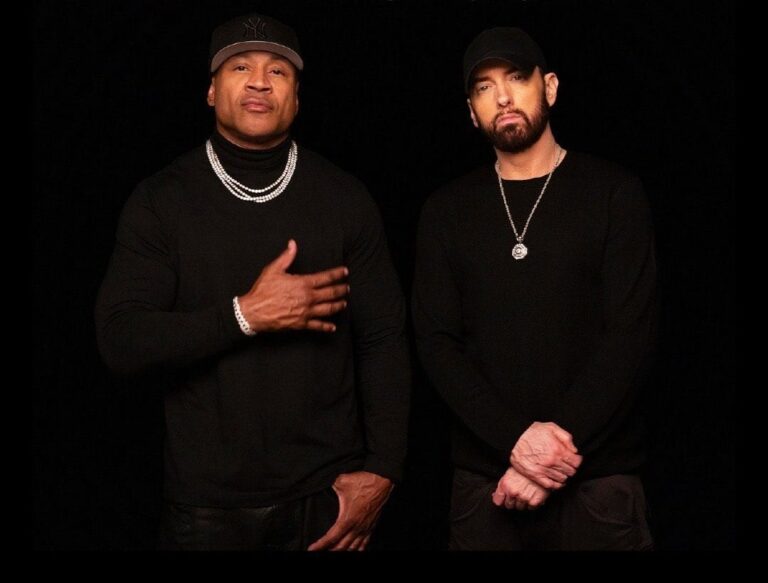


[ad_2]

Source link

Apple Butter Snickerdoodle Cookies (Vegan + GF)

0

[ad_1]

Overhead photo of apple butter snickerdoodle cookies next to cinnamon sticks, ground cinnamon, and apple butter

Nothing says cozy season quite like apple butter and snickerdoodle cookies. But combined into ONE? These apple butter snickerdoodles are ultra COZY! They’re soft, fluffy, cinnamon-filled, packed with apple flavor, and dare we say they rival apple cider donuts!?

These fall-filled treats are vegan, gluten-free, and come together with just 10 ingredients. Preheat your oven and let’s bake some cookies!

Almond flour, potato starch, arrowroot flour, cane sugar, apple butter, vegan butter, cinnamon, salt, baking powder, and vanilla

How to Make Apple Butter Snickerdoodles

These cookies begin like any good fluffy cookie: with creaming (vegan) butter and sugar. Then we add vanilla extract and apple butter to round out the wet ingredients.

If you haven’t already had the privilege of apple butter blessing your palette, allow us to introduce you to the ultimate fall spread! Apple butter is essentially apples that have been cooked down with warming spices into a caramelized, sweet spread filled with bold apple flavor. Hubba hubba!

Bowl with whipped vegan butter and cane sugar topped with apple butter

After the apple butter is mixed into the wet ingredients to achieve apple flavor in every bite, it’s time for the flours. Almond flour, potato starch, and arrowroot starch combine to make a light, cakey cookie that’s gluten-free and grain-free!

A generous dose of cinnamon gives these cookies BIG snickerdoodle flavor while baking powder makes them fluffy and salt ensures balance.

Almond flour, potato starch, arrowroot starch, and cinnamon over a bowl of whipped wet ingredients

Then apple butter comes back into the picture again as we stir some in (briefly!) to create apple butter swirls throughout the dough.

Using a cookie scoop to add apple butter snickerdoodle cookie dough to a bowl of cinnamon sugar

Cinnamon comes back, too, in the form of a cinnamon sugar coating just like you get on a classic snickerdoodle. One bite into these cookies and you’ll know it’s FALL!

Baking sheet with circles of apple butter snickerdoodle cookie dough ready to go into the oven

Once coated in cinnamon sugar, add the cookie dough balls to a baking sheet and press down to flatten. Transfer to the oven, and cookie time will soon be yours!

Freshly baked apple butter snickerdoodles on a baking sheet

We have a feeling you’ll LOVE these cookies! They’re:

Soft
Cakey
Apple-filled
Cinnamony
Easy to make
& SO delicious!

Though standouts on their own, these cookies would also be amazing paired with a cozy cup of chai, a glass of dairy-free milk, or crumbled over vanilla ice cream.

If you try this recipe, let us know! Leave a comment, rate it, and don’t forget to tag a photo @minimalistbaker on Instagram. Cheers, friends!

Close up photo of a vegan gluten-free snickerdoodle with swirls of apple butter

Prep Time 30 minutes

Cook Time 15 minutes

Total Time 45 minutes

Servings 24 (Cookies)

Course Dessert

Cuisine Gluten-Free, Grain-Free, Vegan

Freezer Friendly 1 month

Does it keep? 3-4 Days

Prevent your screen from going dark

COOKIES

  • 1/2 cup softened vegan butter (we like Miyoko’s)
  • 2/3 cup cane sugar (ensure organic for vegan-friendly)
  • 1/2 cup apple butter (plus more to swirl into the dough in step 2 // for store-bought we like Eden)
  • 1 tsp vanilla extract
  • 2 cups almond flour (we like Wellbee’s)
  • 2/3 cup potato starch (NOT potato flour)
  • 1/2 cup arrowroot starch (also called arrowroot flour)
  • 1 ½ tsp cinnamon
  • 3/4 tsp baking powder
  • 1/4 tsp sea salt

TOPPING

  • 1/4 cup cane sugar (ensure organic for vegan-friendly)
  • 1 tsp cinnamon
  • COOKIES: In a medium mixing bowl using an electric mixer, beat together the softened vegan butter and cane sugar until light and fluffy. Next, add the apple butter and vanilla extract. Beat again until fluffy and fully combined. Add the almond flour, potato starch, arrowroot starch, cinnamon, baking powder, and sea salt. Mix on low until the flour is fully incorporated.
  • Use a spatula to gently fold in 2 Tbsp (30 g) of apple butter (adjust amount if altering the default number of servings) leaving some streaks to create a swirl throughout the cookie dough. Refrigerate the dough for at least 20 minutes while you preheat your oven to 350 degrees F (176 C) and line two baking sheets with parchment paper.

  • When your oven is preheated and your cookie dough has chilled, add 1/4 cup (50 g) of cane sugar to a small bowl with 1 tsp of cinnamon (adjust amounts if altering the default number of servings) and stir to combine.

  • Use a cookie scoop (like this one) or tablespoon to scoop out 1 ½ Tbsp amounts of cookie dough and roll into balls. Roll the cookie dough into the cinnamon sugar to fully coat. Place ball onto the baking sheet and gently press down with the palm of your hand. Repeat with the remaining dough, placing the cookies 2 inches apart on the baking sheet. Your hands might get a little messy from the apple butter swirl, but trust us, it’s worth it!
  • Bake in the preheated oven for 13-15 minutes until the cookies have spread, puffed up, and have golden edges.

  • Let cool on the baking sheet for 5 minutes before transferring to a wire rack to cool completely. Enjoy! Store leftover cookies in an airtight container at room temperature for up to 3-4 days or freeze flattened cookie dough balls for up to 1 month. To bake cookies from frozen, add 1-2 minutes to the baking time.

*We haven’t tested coconut sugar in this recipe but think it would yield a more crumbly cookie with a darker color. It would likely work in the topping!
*Loosely adapted from our Grain-Free Cut Out Sugar Cookies.
*Nutrition information is a rough estimate calculated with Eden Apple Butter and the cinnamon sugar topping.

Serving: 1 cookie Calories: 146 Carbohydrates: 17.5 g Protein: 2 g Fat: 8 g Saturated Fat: 3 g Polyunsaturated Fat: 1.1 g Monounsaturated Fat: 3 g Trans Fat: 0 g Cholesterol: 0 mg Sodium: 62 mg Potassium: 47 mg Fiber: 1.6 g Sugar: 9.4 g Vitamin A: 0 IU Vitamin C: 0 mg Calcium: 36 mg Iron: 0.4 mg


[ad_2]

Source link