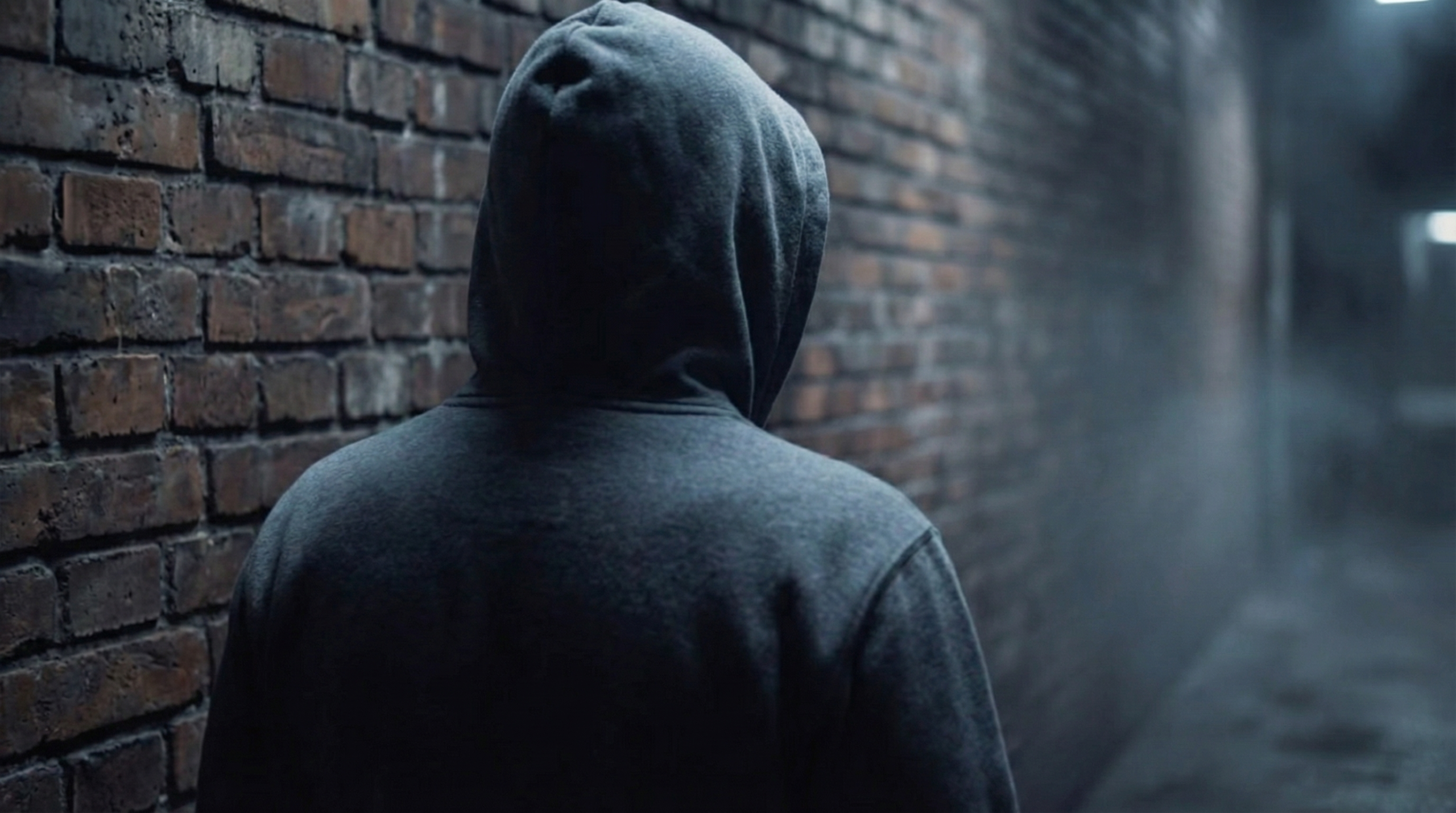
FREEZE is done. And I’m not the same man who started it.
That’s not a marketing line. That’s the truth. And if you’ve followed this catalog long enough, you know I don’t dress it up.
The Night FREEZE Turned on Me
Late night in the Fortress. Atlanta quiet. Everybody asleep.
I was writing a scene and something shifted. The character stopped being a character. He became a confession. I couldn’t walk away from the page — walking away felt like abandonment. Like leaving someone in the middle of a sentence they needed to finish.
That’s the night I knew FREEZE Relentless Aaron urban fiction wasn’t going to be like the others.
Every book in this catalog cost something. PUSH cost me physical freedom. I wrote that manuscript by hand in a federal prison cell — no laptop, no writing group, no MFA program. Just a pen, time, and hunger. That book didn’t come from inspiration. It came from survival.
FREEZE came from a different pressure. I’m a free man in Atlanta now. I’ve got the Fortress. I’ve got 25-plus books and a name that means something in the streets of urban fiction.
But free doesn’t mean weightless.
PUSH was written with nothing to lose. FREEZE was written with everything on the line.
What the Writing Actually Looked Like
People see the finished book and think they know the story. They don’t.
They don’t see the 2 a.m. nights in the Fortress questioning whether the chapter I just finished was genius or garbage. They don’t see the days I wrote nothing because the weight of getting it right sat on my chest like a boulder.
The average novel takes 473 hours of active writing time. For a writer with institutional support — an agent, an editor, a publishing house holding their hand — those hours spread across a structured timeline.
For an independent author? Those 473 hours get pulled from sleep. From relationships. From peace of mind. From consulting calls not taken, speaking engagements pushed back, brand deals left on the table because FREEZE needed all of me.
That’s the math nobody puts in the press release.
And layer on top of that the commercial reality. Readers are waiting. Expectations sit on this manuscript like a debt I owe the streets. That weight doesn’t leave when you close the laptop. It follows you into every room.
78% of authors report that finishing a book triggered emotional distress — depression, anxiety, a profound sense of loss — rather than celebration. That’s not weakness. That’s the documented cost of birthing something real.
I felt every percentage point.
The isolation was real. The doubt was real. The moments I questioned whether this story deserved to exist in print — those were real too. I wrote through all of it. Because that’s the only way FREEZE becomes what it was supposed to be.
The Characters Came From Real Life
Here’s what separates this work from what mainstream publishing produces.
I didn’t research these characters. I didn’t interview sources, consult sensitivity readers, or workshop dialogue in a university seminar room.
I excavated.
The characters in FREEZE came from real places. Real decisions made by real people still out here living. I protect their names — always. But I don’t protect the truth of who they are. That truth is what makes the story breathe.
Iceberg Slim finished Pimp after years of distance from the streets he documented. That distance didn’t dilute the work — it metabolized it. No mainstream publisher touched it. It became one of the best-selling Black-authored books of the 20th century because the pain in it was real and people recognized that on contact.
Donald Goines wrote 16 novels in 6 years while battling heroin addiction. Whoreson. Dopefiend. Books universities now study in literature programs. That output cost him his health, his relationships, and his life at 39.
I’m not comparing myself to Iceberg or Donald out of ego. I’m naming a lineage. A tradition of Black writers producing survival literature under conditions that would silence most people — and those books outliving the machines that ignored them.
FREEZE lives in that same blood.
You’ll feel THE LAST KINGPIN’s power dynamics — who holds leverage and who pretends they don’t. You’ll feel PUSH’s survival instinct in the way the protagonist moves through impossible situations. You’ll feel BUMRUSH’s raw energy in the pacing, in the streets, in the way consequence arrives fast and without apology.
But writing people you know into fiction without losing their humanity — or your own integrity — that’s a cost that doesn’t show up on any royalty statement. You carry those people every time someone reads the book. That weight is permanent.
What Got Sacrificed
Let me be honest in a way that hustle culture doesn’t allow.
Things got neglected.
Relationships felt the distance. When you disappear into a book — really disappear, the way FREEZE demanded — the people around you feel that absence even when you’re physically in the room. The tension between creation and connection is real. Pretending it isn’t is how you end up writing about it instead of solving it.
Rest got sacrificed. Peace of mind got sacrificed. Other projects sat in folders waiting for attention they didn’t get because FREEZE was a consuming fire and everything else was kindling.
Here’s the paradox nobody in the creative hustle space names:
Building generational wealth through your art sometimes means the art costs more than the check covers. Independent Black authors earn on average 43% less per unit sold than their traditionally published counterparts — not because the work is worth less, but because distribution gaps and algorithmic suppression on major retail platforms were built for a different kind of writer. A writer with institutional backing. A writer the system was designed around.
We’re not those writers. We built our own system.
Building your own system means absorbing 100% of the risk personally. Every hour I wrote FREEZE was an hour not spent on a consulting call or speaking engagement or something else that pays immediately. FREEZE is a debt instrument. I borrowed time, energy, and peace from my own life and put it all into this book.
The price you pay for FREEZE is partial repayment of a debt I absorbed so you didn’t have to.
Understand that before you hit the store link.
Why I Wrote FREEZE Anyway
Zora Neale Hurston wrote Their Eyes Were Watching God in seven weeks under existential duress. The mainstream dismissed it on arrival. It took Alice Walker’s 1975 essay to reclaim it — twenty years after Hurston died in poverty.
The mainstream didn’t save that book. The readers did. Eventually.
Urban fiction generates an estimated $350 million annually in the U.S. market. The authors producing that content — disproportionately Black writers from working-class backgrounds — remain among the least-compensated and least-recognized in American letters. Traditional publishing takes two to three years to move a manuscript to a shelf and gives the author 10 to 15 percent of what it earns.
We don’t have that kind of time. We never accepted those terms.
I wrote FREEZE because the people who need it are real and they’re waiting.
If you’ve ever been frozen — by circumstance, by a system not built for you, by choices that locked you into a version of life you didn’t fully choose — FREEZE was written for you. Not at you. Not about you from a distance. For you.
Authentic Black storytelling is an act of cultural resistance. Every book in this catalog proves that these lives, these streets, these choices were real enough to survive in print. Mainstream publishing didn’t tell these stories because mainstream publishing wasn’t looking at us — unless we forced them to.
So the streets produced their own author.
That’s what Relentless Aaron is. That’s what FREEZE is.
A document. Not just a novel. Proof that this life happened, it mattered, and it will outlast every system that tried to make it invisible.
When you read FREEZE, you’re not just reading a story. You’re validating the reality that went into it. You’re saying: I see this. I recognize this. This is real.
That recognition — that’s why I bled for this book.
FREEZE Is Out. Now It’s Yours.
I did my part.
I sat in the Fortress through the late nights, the isolation, and the doubt. I excavated real people from real streets and paid the psychological tax that comes with finishing something this heavy. That documented completion grief — the one 78% of writers feel and almost none talk about publicly.
I’m naming it. Because you deserve to know what you’re holding when you pick up FREEZE.
This catalog — 25-plus books, from PUSH to THE LAST KINGPIN to TRIPLE THREAT to BUMRUSH to SUGAR DADDY to EXTRA MARITAL AFFAIRS to SINGLE WITH BENEFITS to FREEZE — every one of them represents a cost paid. A price absorbed. A piece of real life transformed into something that lasts.
None of it was theoretical. All of it was earned.
FREEZE is done. I paid for it.
Now it’s your turn to own it.
Grab FREEZE and the full Relentless Aaron catalog — 25+ books built from real life, real streets, real cost — at [beacons.ai/gorelentless](https://beacons.ai/gorelentless). Don’t sleep on it.
Get the books. Get the story. Get the real thing.
Browse the full Relentless Aaron catalog at beacons.ai/gorelentless — PUSH, The Last Kingpin, FREEZE, and more.